
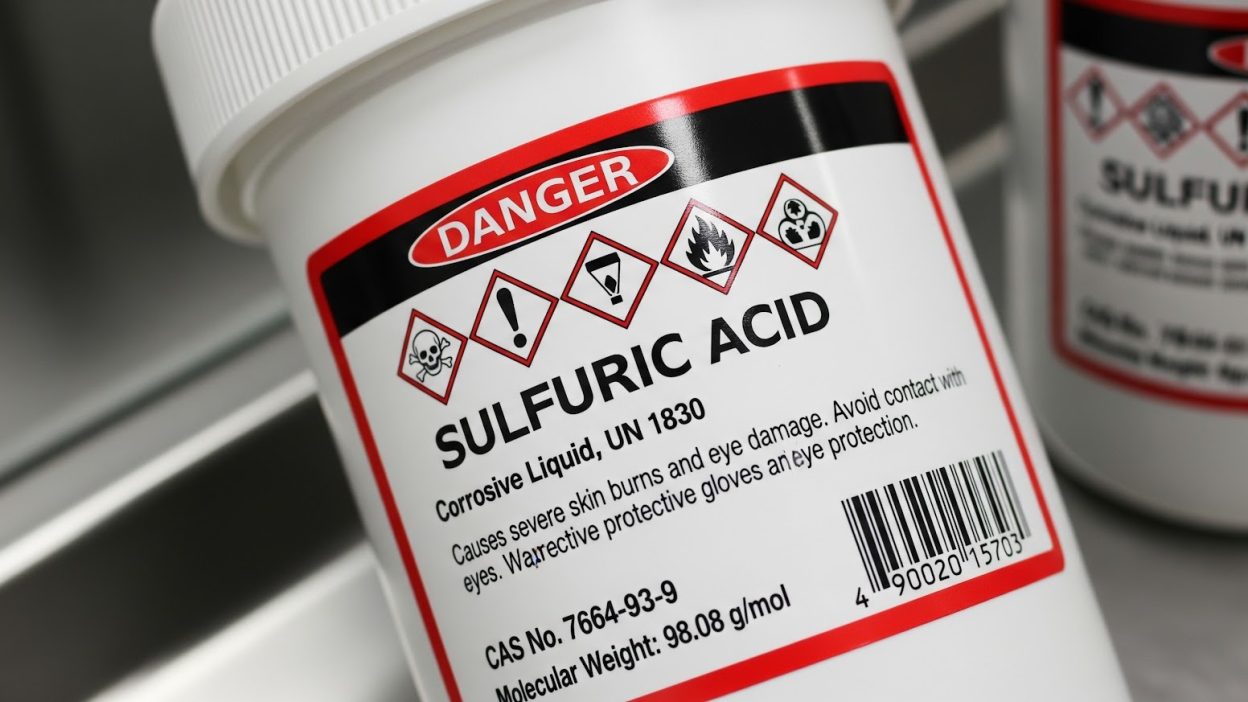
Understanding GHS pictogram meanings in Houston, TX is one of the most practical skills a warehouse or plant floor worker can develop. Every shift, employees encounter diamond-shaped hazard symbols on drums, bottles, tanks, and secondary containers. Yet despite their visibility, these symbols are frequently misread or ignored. Professional chemical labeling services play a critical role in ensuring that labels are clear, compliant, and legible. This guide breaks down all nine GHS pictograms in plain language and gives workers and safety managers the tools to read them correctly, every time.
What Is the GHS and Why Do Pictograms Matter?
The Globally Harmonized System of Classification and Labelling of Chemicals, commonly known as GHS, is an internationally recognized framework for communicating chemical hazards. In the United States, OSHA adopted GHS standards under its Hazard Communication Standard (HazCom 2012), requiring chemical manufacturers and importers to use standardized labels and Safety Data Sheets (SDS).
At the center of every GHS label are pictograms: bold, red-bordered diamond symbols with white backgrounds and black icons. According to OSHA’s Hazard Communication guidance, pictograms are designed to convey hazard information at a glance, even across language barriers. There are nine official GHS pictograms, each representing a specific category of hazard.
The Nine GHS Pictograms Explained
1. Flame (Fire Hazard)
The flame pictogram signals that a substance is flammable, self-reactive, or pyrophoric. This includes flammable liquids, solids, aerosols, and gases, as well as substances that can ignite spontaneously or emit flammable gases when in contact with water.
Plain-language meaning: Keep this chemical away from open flames, heat sources, and sparks. Store it in a rated flammables cabinet. Common examples include acetone, ethanol, and paint thinner.
2. Flame Over Circle (Oxidizer)
This pictogram features a flame burning over a circle and indicates that the substance is an oxidizer. Oxidizers do not burn on their own but can dramatically intensify a fire by releasing oxygen.
Plain-language meaning: Do not store near flammable materials. Even a small amount can cause a fire to grow rapidly. Common examples include concentrated hydrogen peroxide and nitric acid.
3. Exploding Bomb
The exploding bomb symbol marks chemicals that are explosive, self-reactive, or capable of rapid violent decomposition under heat, friction, or shock.
Plain-language meaning: Handle with extreme caution. Do not drop, strike, or expose to heat. Follow all handling instructions precisely. This pictogram often appears on organic peroxides and certain unstable specialty compounds.
4. Gas Cylinder (Gases Under Pressure)
The compressed gas pictogram applies to gases stored under pressure, including compressed, liquefied, and dissolved gases.
Plain-language meaning: The container is pressurized and can rupture or explode if dropped or exposed to heat. Always secure cylinders upright and use proper regulators. Common examples include oxygen, nitrogen, and acetylene.
5. Corrosion
The corrosion pictogram shows a liquid dripping onto a surface and a hand, causing visible damage. It signals that a substance is corrosive to metals, skin, or eyes.
Plain-language meaning: This chemical can cause severe burns on contact. Always wear appropriate PPE including gloves, goggles, and a face shield. Common examples include sulfuric acid, sodium hydroxide, and concentrated bleach.
6. Skull and Crossbones (Acute Toxicity)
The skull and crossbones pictogram indicates that even a small amount of the substance can be lethal through skin contact, inhalation, or ingestion.
Plain-language meaning: This chemical is poisonous. Do not breathe vapors or allow skin contact. Use full PPE and ensure proper ventilation. Common examples include methanol and certain pesticides.
7. Exclamation Mark (Moderate Health Hazard)
The exclamation mark is one of the most frequently seen pictograms. It covers a wide range of hazards that are serious but not immediately life-threatening, including skin irritation, eye irritation, skin sensitization, and respiratory irritation.
Plain-language meaning: This chemical may irritate your skin, eyes, or airways. Repeated or heavy exposure can cause lasting harm. Follow all label instructions and use appropriate PPE. Common examples include many cleaning agents and isopropyl alcohol.
8. Health Hazard (Serious Long-Term Effects)
The health hazard pictogram depicts a human silhouette with a starburst on the chest. It signals substances that cause serious chronic health effects, including carcinogenicity, reproductive toxicity, respiratory sensitization, and specific organ toxicity.
Plain-language meaning: Long-term exposure may damage your lungs, liver, kidneys, or reproductive system, or may increase cancer risk. Use engineering controls and PPE consistently. Common examples include benzene, formaldehyde, and silica dust.
9. Environment (Aquatic Toxicity)
The environment pictogram shows a dead tree and a fish in water, indicating that the substance is hazardous to aquatic life.
Plain-language meaning: Do not pour this chemical down drains or allow it to enter waterways. Dispose of it according to local environmental regulations. Common examples include certain pesticides, lubricants, and metal treatment chemicals.
Common Mistakes Workers Make When Reading Pictograms
Even trained workers misinterpret GHS pictograms, especially on secondary containers. Here are the most frequent errors and how to avoid them.
Assuming one pictogram tells the whole story. A single chemical can carry multiple pictograms. A worker who only notices the exclamation mark on a container might miss a health hazard symbol indicating long-term organ damage. Always review all pictograms on a label before handling.
Ignoring faded or damaged labels on secondary containers. When chemicals are transferred to spray bottles, buckets, or smaller containers, workers sometimes skip the label or use a handwritten one without pictograms. OSHA requires that all secondary containers used by workers be properly labeled. If a label is missing or unreadable, do not use the container until it is properly relabeled. Refer to the original product’s SDS.
Confusing the flame over circle with the flame. These two pictograms look similar at a glance but represent very different hazards. The flame means the substance itself is flammable. The flame over circle means it accelerates combustion in other materials. Mixing these up can lead to dangerous storage decisions.
Misreading the exclamation mark as “low risk.” Workers sometimes treat the exclamation mark as a minor warning and skip PPE. In reality, repeated exposure to irritants and sensitizers can lead to chronic conditions including occupational asthma. Every pictogram warrants appropriate precautions.
Not cross-referencing the SDS. Pictograms give a quick overview, but the Safety Data Sheet contains the detailed information needed for safe handling, storage, spill response, and disposal. Workers should know where to find the SDS for every chemical in their area.
How Pictograms Interact with Signal Words and Hazard Statements
A complete GHS label includes more than pictograms. It also contains:
Signal words are either “Danger” or “Warning.” Danger indicates more severe hazards; Warning indicates less severe ones. A label with a skull and crossbones will carry “Danger.” A label with only an exclamation mark may carry “Warning.”
Hazard statements are standardized phrases that describe the specific nature of the hazard, such as “Causes severe skin burns and eye damage” or “May cause drowsiness or dizziness.” These statements correspond directly to the pictograms on the label and provide the detail needed to understand exactly what risk is present.
Precautionary statements explain what to do to protect yourself, including how to store the chemical, what PPE to wear, and what to do in case of exposure or spill.
Understanding how these elements work together is essential. A pictogram catches your eye. The signal word tells you how serious it is. The hazard and precautionary statements tell you exactly what to do. Training teams to read all four elements together, rather than relying on pictograms alone, significantly reduces the chance of an incident.
For additional information on GHS label requirements, the United Nations GHS Purple Book provides the global standard, and OSHA’s HazCom page offers U.S.-specific compliance guidance.
What to Do When a Pictogram Is Missing or Unreadable
A missing or illegible pictogram is not a minor issue. It is a compliance and safety problem. Here is how to handle it:
First, stop using the container until the hazard is identified. Do not assume you know what is inside based on appearance or smell.
Second, locate the original product container or its SDS. The SDS will list all relevant hazard information and pictograms. If you do not have access to the SDS, contact your safety manager immediately.
Third, have the container relabeled with the correct GHS-compliant label before it is returned to service. Handwritten labels without pictograms do not meet OSHA standards for secondary containers used in the workplace.
Fourth, document the incident. Missing labels can indicate a systemic training or process gap that needs to be addressed at the department level.
Wrapping Up: Why Pictogram Literacy Saves Lives
Understanding GHS pictogram meanings is not a one-time training checkbox. It is an ongoing safety practice that protects workers, reduces liability, and supports a culture of workplace safety. Each of the nine pictograms was designed to communicate a specific, critical hazard in a universal visual language. When workers and safety managers take the time to learn what each symbol means and how it fits into the broader GHS label system, the result is fewer accidents, faster emergency responses, and a more confident, capable workforce.
For facilities that manage a wide range of chemicals, working with a qualified chemical labeling provider ensures that every container on the floor meets OSHA HazCom requirements and is legible under real-world conditions. You can also find local chemical labeling support by searching your area on Google Maps.
Investing in pictogram training is one of the simplest, most cost-effective steps any facility can take toward a safer workplace.
Frequently Asked Questions
Q1: Are GHS pictograms required on all chemical containers in the workplace? Yes. Under OSHA’s Hazard Communication Standard (29 CFR 1910.1200), all hazardous chemicals in the workplace must be labeled with the appropriate GHS pictograms, signal words, hazard statements, and precautionary statements. This applies to both primary containers received from manufacturers and secondary containers filled at the facility.
Q2: Can a chemical have more than one GHS pictogram? Absolutely. Many chemicals present multiple hazards and will display several pictograms on the same label. For example, a flammable solvent might carry the flame pictogram, the exclamation mark, and the health hazard symbol simultaneously. Workers should review all pictograms before handling.
Q3: What should I do if I find an unlabeled container of chemical at my workstation? Do not open, move, or use the container. Notify your supervisor or safety manager immediately. The chemical must be identified and properly labeled before it can be used. If identification is not possible, the container should be treated as hazardous waste and disposed of according to applicable regulations.
Q4: Is the environment pictogram required under OSHA’s HazCom standard? The environment pictogram is part of the international GHS standard but is not currently required under OSHA’s U.S. HazCom standard. However, manufacturers may voluntarily include it on labels, and workers should be aware of its meaning, particularly for spill response and disposal procedures.
Q5: How often should workers receive GHS pictogram training? OSHA requires that workers receive hazard communication training at the time of initial assignment and whenever a new physical or health hazard is introduced into the work area. Many safety professionals recommend annual refresher training as a best practice, along with targeted retraining whenever label changes, new chemicals, or incidents occur.