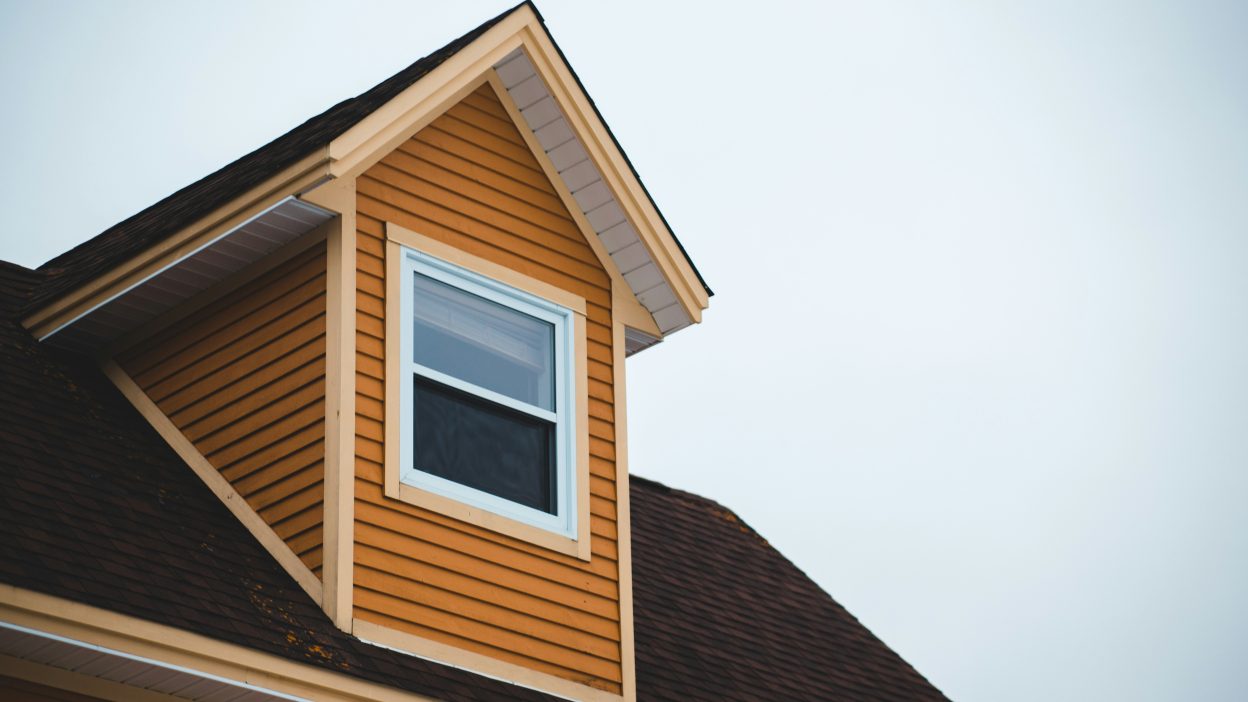
When Ohio homeowners start researching exterior upgrades, the debate between fiber cement vs vinyl siding in Cincinnati, OH is one of the most common conversations in home improvement circles. Both materials have distinct advantages, and the right choice depends on your budget, your neighborhood’s requirements, and how Cincinnati’s unpredictable Midwest climate interacts with each product over time. If you are considering a full exterior upgrade, consulting a professional Cincinnati siding installation contractor can help you assess which option fits your specific situation before committing to either material.
This guide walks through the key differences between fiber cement and vinyl siding, covering durability, cost, long-term value, and local HOA or historic district considerations that may actually make the decision for you.
Understanding the Two Materials
Vinyl siding is made from polyvinyl chloride (PVC) and has been a popular exterior choice across the United States since the 1960s. It is lightweight, relatively low cost, and comes in a wide range of colors and profiles.
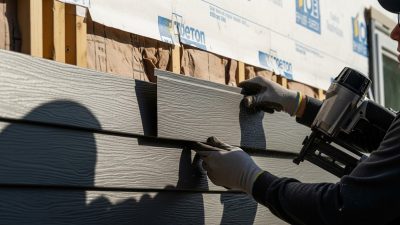
Fiber cement siding, by contrast, is a composite material made from Portland cement, sand, and cellulose fibers. Products like James Hardie siding have become increasingly popular in climates like Cincinnati’s because the material is engineered specifically to handle moisture fluctuations, temperature swings, and high humidity without warping or cracking.
Both materials are manufactured to mimic the look of wood, but they behave very differently once installed on a Cincinnati home.
Durability in Midwest Weather: How Each Material Holds Up
Cincinnati sits in a climate zone that delivers real punishment to exterior materials. The city averages around 42 inches of rainfall per year, experiences significant humidity in summer, and goes through dozens of freeze-thaw cycles each winter. According to the National Weather Service, the Cincinnati area regularly sees temperatures swing between well below freezing and the mid-90s Fahrenheit within a single calendar year.
Vinyl Siding in Cincinnati’s Climate
Vinyl is not without its vulnerabilities in this environment. The material expands and contracts with temperature changes. In extreme cold, vinyl can become brittle and is more susceptible to cracking from impact. Hailstorms, which are not uncommon in Ohio, can dent or crack vinyl panels. Over time, UV exposure causes the color to fade, and most vinyl products cannot be repainted to restore their original appearance.
That said, vinyl is highly resistant to moisture intrusion. It does not absorb water and will not rot. For homeowners in areas without significant hail risk, vinyl can last 20 to 40 years with minimal maintenance.
Fiber Cement Siding in Cincinnati’s Climate
Fiber cement was specifically engineered to perform in climates like Cincinnati’s. It does not expand and contract as dramatically as vinyl under temperature swings, which means fewer gaps and less long-term stress on the installation. It is also non-combustible, resistant to impact, and holds paint far better than wood or vinyl. Fiber cement siding can be repainted when fading occurs, which extends its lifespan considerably.
The material’s primary vulnerability is moisture absorption if left unprotected. However, factory-primed and pre-painted fiber cement products have significantly addressed this issue, and professional installation with proper flashing and caulking eliminates most moisture concerns.
Fiber cement typically carries a manufacturer’s warranty of 30 to 50 years, and real-world lifespans frequently exceed that range when the product is properly installed and maintained. According to This Old House, fiber cement is widely regarded as one of the most durable residential siding materials available today.
Installed Cost Ranges and Long-Term ROI
Cost is often the first factor homeowners evaluate, and there is a meaningful difference between these two materials upfront.
Vinyl Siding Costs
Nationally, vinyl siding installation typically runs between $3 and $8 per square foot installed, depending on the quality of the product, the profile selected, and the complexity of the home’s exterior. For a 1,500 to 2,000 square foot home in Cincinnati, a full vinyl siding project might cost between $7,000 and $16,000.
Premium vinyl products with thicker profiles and enhanced warranties can push that cost higher, but even high-end vinyl generally stays below the mid-range fiber cement price point.
Fiber Cement Siding Costs
Fiber cement installation costs more due to the weight of the material (which requires more labor) and the additional steps involved in priming and painting. Expect installed costs in the range of $6 to $13 per square foot. A comparable project might run between $12,000 and $25,000 depending on the product line, home size, and prep work required.
Which Delivers Better ROI?
According to the Remodeling Magazine Cost vs. Value Report, fiber cement siding consistently returns a higher percentage of its installed cost at resale than vinyl siding. The report has historically shown fiber cement recouping around 70 to 80 percent of project cost at resale, compared to 60 to 70 percent for vinyl in comparable markets.
For homeowners who plan to sell within five to ten years, fiber cement’s curb appeal and perceived quality often translate to a stronger negotiating position and faster sale times. For homeowners who plan to stay long-term, fiber cement’s extended lifespan and repaintability mean fewer full replacement cycles over the life of the home, which narrows the cost gap considerably.
Cincinnati HOA and Historic District Requirements
One factor that many Cincinnati homeowners overlook is whether their neighborhood has restrictions that limit or mandate specific siding materials. This is especially relevant in two contexts: Homeowners Associations (HOAs) and Cincinnati’s historic preservation districts.
HOA Restrictions
Many neighborhoods in the Greater Cincinnati area, particularly newer developments in communities like Mason, Blue Ash, and West Chester, have HOA covenants that specify approved exterior materials and colors. Some HOAs explicitly prohibit vinyl siding or set minimum material standards that vinyl products may not meet. If your home is in an HOA-governed neighborhood, reviewing your CC&Rs before selecting a siding material is essential.
Cincinnati Historic Preservation Districts
Cincinnati has a number of designated historic districts, including areas in Clifton, Hyde Park, Columbia-Tusculum, and Mount Lookout, where the Cincinnati Historic Conservation Board reviews exterior alterations. According to the City of Cincinnati’s Planning and Buildings department, exterior changes to structures in these districts must be compatible with the historic character of the neighborhood.
In many historic district applications, vinyl siding is discouraged or outright rejected because it lacks the dimensional depth and material authenticity of original wood siding or masonry. Fiber cement, by contrast, is frequently approved as an acceptable alternative to wood because its profiles more closely replicate the appearance and shadow lines of historic clapboard or shingle siding. If your home is located in or adjacent to a Cincinnati historic district, fiber cement may not just be a preference but a practical necessity for obtaining approval.
Maintenance Expectations Over Time
Maintenance requirements differ significantly between the two materials and should factor into a realistic long-term budget.
Vinyl siding requires very little maintenance. Periodic washing with a garden hose or pressure washer removes dirt and mildew, and there are no painting requirements. However, if panels are damaged, matching replacement panels can be difficult if the product line has been discontinued, and significant fading may make repairs visible even with matching panels.
Fiber cement requires repainting every 10 to 15 years, which adds to lifetime costs. However, this also gives homeowners the ability to update their home’s color without replacing the siding entirely. Installation and maintenance require attention to caulking and paint condition to prevent moisture intrusion, but when properly cared for, the material holds up exceptionally well.
Which Material Is Right for Your Cincinnati Home?
There is no universal answer to this comparison. Vinyl siding is an excellent value for homeowners with budget constraints, homes in communities without HOA restrictions, and situations where low maintenance is the priority. It performs adequately in Cincinnati’s climate and provides reliable moisture protection at a lower upfront cost.
Fiber cement siding is the stronger long-term investment for homeowners who plan to stay in their home for 15 or more years, live in an HOA community or historic district with material restrictions, or want to maximize resale value and curb appeal. Its performance in Cincinnati’s freeze-thaw climate is well-documented, and its ability to be repainted gives it longevity that vinyl cannot match.
For a professional assessment of which product makes sense for your specific home, neighborhood, and budget, working with an experienced local contractor makes a meaningful difference in the outcome.
Final Thoughts on Choosing Between Fiber Cement and Vinyl Siding
Both fiber cement and vinyl siding are legitimate, widely used exterior cladding options for Cincinnati homeowners. The decision ultimately comes down to budget, neighborhood requirements, and long-term ownership goals. Fiber cement’s durability advantage is most pronounced in Cincinnati’s freeze-thaw climate, while vinyl’s lower upfront cost makes it accessible for a wider range of projects.
Taking the time to evaluate both materials in the context of your specific home, its location, and your plans for the property will lead to a more satisfying outcome than choosing based on price alone. You can also visit our Google Maps listing to read reviews from local Cincinnati homeowners who have navigated this same decision.
Frequently Asked Questions
Q1: How long does fiber cement siding last compared to vinyl in Cincinnati?
Fiber cement siding typically carries manufacturer warranties of 30 to 50 years and can exceed that lifespan with proper maintenance. Vinyl siding generally lasts 20 to 40 years. In Cincinnati’s freeze-thaw climate, fiber cement tends to maintain its structural integrity and appearance better over time due to its lower expansion and contraction rates.
Q2: Can I paint vinyl siding if the color fades?
Painting vinyl siding is technically possible but generally not recommended by manufacturers. Vinyl is not designed to hold paint long-term, and improper paint selection can trap heat and cause warping. Fiber cement, by contrast, is designed to be repainted every 10 to 15 years, making it a much better candidate for a color refresh.
Q3: Does Cincinnati’s climate favor one siding material over the other?
Cincinnati’s combination of high humidity, frequent rainfall, and significant freeze-thaw cycling makes fiber cement a strong performer because the material handles temperature-driven movement better than vinyl and does not become brittle in cold weather. However, vinyl’s moisture resistance is also a genuine advantage in Ohio’s wet climate, so both materials can perform well when properly installed.
Q4: Will my Cincinnati HOA approve fiber cement siding?
Most HOAs that have siding material restrictions will approve fiber cement, and many specifically require or prefer it over vinyl. However, HOA rules vary widely by community, and you should always review your specific CC&Rs or contact your HOA board before selecting a material. A local siding contractor familiar with Greater Cincinnati neighborhoods can also help you navigate this process.
Q5: Is fiber cement worth the higher upfront cost for a Cincinnati home?
For homeowners planning to stay in their home long-term or who want to maximize resale value, fiber cement’s higher upfront cost is typically offset by its longer lifespan, repaintability, and stronger performance in real estate appraisals. If budget is the primary constraint and you are comfortable with a product that may need replacement sooner, vinyl is a reasonable and cost-effective choice. The right answer depends on your specific financial situation and long-term plans for the property.