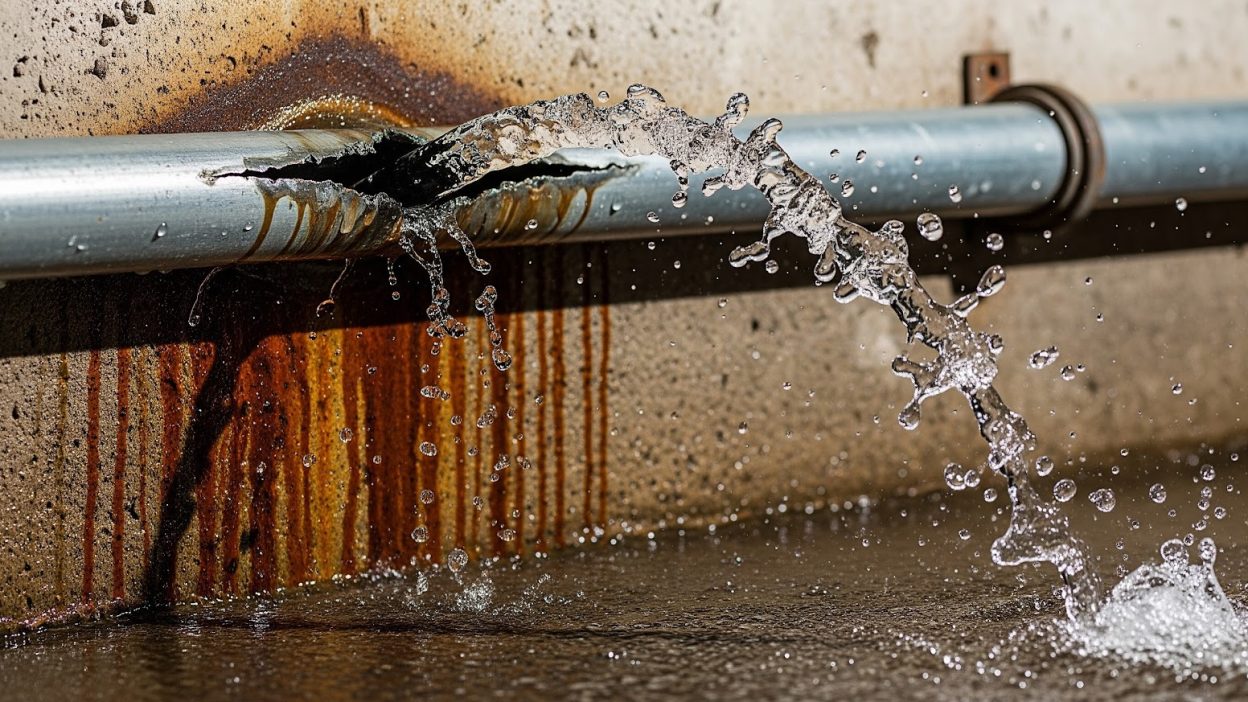
Water damage is one of the most costly and disruptive problems a homeowner can face. What makes it especially dangerous is that it often starts silently, hidden behind drywall and insulation, long before a single drop appears on the floor. Recognizing the signs of a burst pipe in wall spaces is one of the most important skills a Cleveland homeowner can develop. If you suspect a pipe has already failed, prompt burst pipe repair can mean the difference between a minor fix and a major renovation. This guide walks through the warning signs, immediate steps to take, and why Northeast Ohio homes face unique risks every winter and spring.
Why Burst Pipes Are So Dangerous in Cleveland Homes
Cleveland and the surrounding Northeast Ohio region experience some of the most punishing freeze-thaw cycles in the country. Temperatures can drop well below freezing overnight and climb above 40 degrees the following afternoon. This cycle causes water inside pipes to expand as it freezes, creating pressure that can split copper, galvanized steel, or PVC pipe without any warning.
Older homes in the Cleveland metro area, many built before 1970, are especially vulnerable. Pipes in exterior walls, crawl spaces, and uninsulated attics were not always installed with cold climate resilience in mind. According to the Insurance Information Institute, frozen pipe claims are among the most common and expensive homeowner insurance claims filed in cold-climate states.
The problem is compounded by the fact that most of the damage happens invisibly. A small fracture in a pipe behind drywall can leak for days or weeks before it becomes obvious. By the time a stain appears on the ceiling or a wall feels soft to the touch, significant structural damage and potential mold growth may already be underway.
Visual Signs of a Burst Pipe Inside a Wall
Unexplained Water Stains or Discoloration
One of the earliest visible signs is a yellow, brown, or copper-colored stain appearing on a wall or ceiling without any obvious source. These stains often look like rings or irregular patches and may grow slowly over time. If the stain is on an interior wall but there is no plumbing fixture directly above it, the likely culprit is a supply line or drain pipe running through the wall cavity.
Pay close attention to areas near bathrooms, kitchens, laundry rooms, and utility rooms. Stains that appear in a bedroom or hallway ceiling below an upstairs bathroom are a common sign of a slow leak originating from a joint or corroded section of pipe.
Bubbling, Peeling, or Warping Paint and Wallpaper
Moisture trapped behind drywall will eventually push through. Paint may bubble or peel even in areas that have never been touched by direct water. Wallpaper can lift along seams or develop soft, spongy sections beneath the surface. These signs indicate that moisture has been building up for some time and the drywall itself may already be saturated.
Bulging or Soft Drywall
Press gently on a wall surface that looks discolored or feels unusual. Drywall that has absorbed water will feel softer than normal and may flex inward slightly. In more advanced cases, the drywall may visibly bulge outward. This indicates that water has been pooling inside the wall cavity and the structural integrity of that section is compromised.
Visible Mold or Mildew Growth
Mold can begin developing within 24 to 48 hours of a water intrusion, according to the U.S. Environmental Protection Agency. If you notice dark spots, fuzzy growth, or a musty smell near a wall, there is likely sustained moisture behind it. Mold does not always appear on the outer surface immediately, but a persistent musty odor in a room with no other explanation should never be ignored.
Auditory and Other Sensory Clues
Hissing, Dripping, or Rushing Sounds Inside Walls
Turn off all appliances and running water in your home, then stand quietly near interior walls. A hissing sound often indicates pressurized water escaping through a small crack. A faint dripping sound that does not correspond to any fixture is another warning. Rushing water sounds, especially after you flush a toilet or run the sink, can suggest a supply line has separated inside the wall.
Sudden Drop in Water Pressure
If your shower pressure has dropped noticeably or the kitchen faucet runs weaker than usual without any change in usage, a leak inside the walls may be the cause. When water escapes the supply line before it reaches the fixture, overall pressure throughout the home decreases. This is especially noticeable when multiple fixtures seem affected at the same time.
Unexpectedly High Water Bills
A spike in your monthly water bill with no corresponding increase in usage is a strong indicator of a hidden leak. Even a slow drip from a cracked pipe can waste hundreds of gallons per month. The U.S. Geological Survey estimates that household leaks can account for nearly 10,000 gallons of wasted water per year. If your bill climbs without explanation, check your meter and compare readings over a 24-hour period when no water is being used.
Immediate Steps to Take When You Suspect a Burst Pipe
Step 1: Shut Off the Main Water Supply
The single most important action is to stop water from continuing to flow. Locate your main water shutoff valve, which is typically near the water meter, in the basement, or in a utility closet. Turn it clockwise until it stops completely. This will halt any active leak and prevent additional saturation of the walls, floors, and insulation.
If you do not know where your shutoff valve is located, find it now before an emergency occurs. Knowing this location in advance can save thousands of dollars in damage.
Step 2: Turn Off the Electricity in Affected Areas
Water and electricity are a dangerous combination. If the leak is near an electrical panel, outlets, or ceiling fixtures, switch off the circuit breakers for those areas of the home. Do not re-enter an area with standing water until you are certain the electricity has been shut off.
Step 3: Document Everything for Insurance
Before any cleanup or repairs begin, photograph and video the full extent of the damage. Capture the staining, the bulging drywall, any standing water, and any visible mold. This documentation is critical when filing a homeowner’s insurance claim. Keep records of all communications with your insurer, repair contractors, and the plumber.
The National Association of Insurance Commissioners recommends keeping a running file of receipts, estimates, and correspondence throughout the claims process.
Step 4: Begin Drying the Area
Open windows if weather permits, run fans, and use a dehumidifier to begin removing moisture from the air. The faster the area dries, the lower the risk of mold growth. Avoid using high-heat methods near drywall or insulation, as this can cause further damage.
Step 5: Call a Licensed Plumber
A licensed plumber can locate the source of the leak using pressure testing or thermal imaging and make the necessary repairs without opening more of the wall than needed. Attempting to repair a burst pipe without proper training can lead to additional damage, water contamination, or code violations.
Why Northeast Ohio Freeze-Thaw Cycles Are a Persistent Threat
Cleveland winters are characterized by extended cold snaps followed by rapid warming. This pattern creates repeated stress on plumbing systems that were not designed for such volatile swings. Pipes in exterior walls, garage interiors, and homes with poor attic insulation are at the highest risk.
One of the most effective long-term protections is proper pipe insulation. Foam pipe sleeves are inexpensive and can be installed by most homeowners in a few hours. Heat tape, which provides a low level of warmth to pipes in extremely cold areas, is another option recommended by the American Red Cross for homes in cold climates.
Homes built in the 1950s through 1970s often have galvanized steel pipes that have spent decades corroding from the inside out. These pipes are far more susceptible to failure under freeze-thaw pressure than modern copper or PEX piping. If your home still has original plumbing from this era, a professional inspection before each winter season is strongly advisable.
Keeping cabinet doors open under kitchen and bathroom sinks during a cold snap allows warm interior air to reach the pipes. Maintaining a minimum indoor temperature of 55 degrees even when traveling is another simple precaution that prevents costly damage.
Wrapping Up: Act Early, Act Fast
A burst pipe hidden inside a wall is not a problem that improves with time. Every hour that water continues to flow or saturate building materials increases the scope and cost of the repair. Cleveland homeowners who learn to recognize the early warning signs and know exactly what to do in the first few minutes after discovery are in a far stronger position to limit their losses.
From unexplained stains and soft drywall to hissing sounds and climbing water bills, the clues are there for those who know where to look. Pair that awareness with a winterization plan that includes proper insulation and annual plumbing checkups, and the risk of a hidden burst pipe drops significantly.
If you are in the Cleveland area and need professional assistance, you can find local licensed plumbing services through Google Maps to locate a trusted plumber near you.
Frequently Asked Questions
Q: How do I know if a pipe has burst inside my wall versus just a slow leak?
A: A burst pipe typically causes a faster and more dramatic loss of water pressure, louder sounds inside the wall, and more rapid staining or bulging of drywall. A slow leak tends to develop visible signs more gradually over days or weeks. Both require immediate attention, but a burst pipe demands action within minutes.
Q: Can I still use water in my home after shutting off the main valve?
A: Once the main valve is closed, water will stop flowing to all fixtures. You will not be able to use faucets, toilets, or appliances connected to the water supply until the pipe is repaired and the valve is reopened. It is a good idea to fill a few containers with water before shutting off if you anticipate needing it for drinking or sanitation.
Q: How long does it take for mold to grow after a pipe bursts inside a wall?
A: Mold can begin developing in as little as 24 to 48 hours in wet, enclosed spaces. The interior of a wall cavity provides the ideal conditions for rapid mold growth, including darkness, warmth, and organic material in the form of drywall paper and wood framing. Fast drying and professional remediation significantly reduce the risk.
Q: Will my homeowner’s insurance cover a burst pipe?
A: Most standard homeowner’s insurance policies cover sudden and accidental water damage caused by a burst pipe. However, damage resulting from long-term neglect or a slow leak that was not addressed may not be covered. Review your policy carefully and contact your insurer as soon as you discover damage to understand what is included.
Q: How can I prevent pipes from bursting in my Cleveland home during winter?
A: The most effective preventive measures include insulating pipes in exterior walls and unheated spaces, keeping the home heated to at least 55 degrees at all times, allowing faucets to drip slightly during extreme cold, opening cabinet doors under sinks to let warm air circulate, and scheduling a professional plumbing inspection before winter each year. Homes with older galvanized pipes should consider repiping as a longer-term solution.