If you’ve noticed fog or water droplets trapped between your window glass layers, you’re facing more than an unsightly problem. Condensation between window panes in Cincinnati, OH signals that your window’s insulating seal has failed, costing you money daily. Unlike condensation on window surfaces, moisture between panes indicates a breach in the sealed unit protecting your home’s energy efficiency. Window replacement services offer the only permanent solution to this common problem.
Understanding Double-Pane Window Construction
Modern energy-efficient windows feature multiple glass layers separated by a sealed airspace or inert gas fill, creating an insulating barrier that reduces heat transfer between your home’s interior and the outside environment.
Double-pane windows have two glass sheets with a spacer material around the edges containing desiccant to absorb moisture. The perimeter is sealed to create an airtight chamber. Many premium windows fill this space with argon or krypton gas for better insulation than regular air.
According to the U.S. Department of Energy, properly functioning multi-pane windows reduce energy loss by 25-50% compared to single-pane alternatives. When this seal fails, your window’s insulating properties are permanently compromised.
How Window Seals Break Down Over Time
Window seals don’t last forever. The typical lifespan of a quality double-pane window ranges from 15 to 25 years, though some may fail sooner depending on environmental conditions and manufacturing quality.
The primary cause of seal failure is thermal pumping, a cyclical process that occurs with daily and seasonal temperature fluctuations. As temperatures rise, the gas or air between the panes expands, putting pressure on the seals. When temperatures drop, the gas contracts, creating negative pressure. This constant expansion and contraction gradually weakens the sealant material, eventually causing microscopic cracks or gaps.
UV radiation from sunlight also plays a significant role in seal degradation. The sun’s rays break down the chemical bonds in sealant materials, making them brittle and less effective over time. Windows receiving direct sunlight for several hours each day typically experience faster seal deterioration.
Water exposure accelerates the breakdown process. Even small amounts of moisture that accumulate around the window frame can seep into the seal area. The International Association of Certified Home Inspectors notes that water damage is one of the leading contributors to premature seal failure.
Cincinnati’s Climate: Accelerating Window Seal Failure
Cincinnati’s weather creates challenging conditions for window seals. The region experiences dramatic temperature swings with hot, humid summers and cold winters. This combination accelerates the thermal pumping cycle stressing window seals.
Temperature extremes can span more than 100 degrees Fahrenheit annually. Each temperature change causes the insulating gas between panes to expand or contract, stressing the seals. Cincinnati’s 70% average humidity, reaching 80% or higher in summer, compounds the problem as moisture-rich air finds its way into seal imperfections.
Recognizing the Signs of a Failed Window Seal
Condensation between window panes is the clearest indicator of seal failure. The moisture may appear as light fog or haze, especially on cooler mornings. In advanced cases, you’ll see water droplets running down the inside glass surfaces.
The appearance often varies with temperature and humidity. It might get worse in the mornings and improve as the day warms. Some homeowners report the fogging comes and goes, but any moisture between panes indicates seal compromise.
As failure progresses, you may notice a white, hazy film or mineral deposits on interior glass surfaces from broken-down desiccant material.
The Real Cost of a Broken Window Seal
Many homeowners view condensation between window panes as merely a cosmetic issue, but the financial implications are substantial. A failed seal transforms your energy-efficient window into little more than a single-pane window, eliminating the insulating benefits.
The U.S. Environmental Protection Agency estimates that windows account for 25-30% of residential heating and cooling energy use. When a window’s seal fails and the insulating gas escapes, the R-value drops dramatically. An argon-filled double-pane window typically has an R-value of 3.0 to 4.0, but this can drop to as low as 2.0 when the seal fails.
This reduction directly translates to higher energy bills. A home with multiple failed window seals can see heating and cooling costs increase by 15-25%. For a household spending $2,000 annually on energy, that’s an additional $300-500 per year escaping through your windows.
Beyond energy costs, moisture trapped between panes creates an environment conducive to mold growth, particularly around the window frame and sill. Failed seals also impact your home’s resale value. According to Remodeling Magazine’s Cost vs. Value Report, window replacement projects typically recoup 70-80% of their cost at resale.
Why Defogging and Repair Options Fall Short
Some homeowners seek less expensive alternatives to complete window replacement. Several companies offer “defogging” or “seal repair” services that promise to restore clarity at a fraction of replacement cost. While these may temporarily improve appearance, they rarely provide a lasting solution and don’t restore energy efficiency.
The defogging process typically involves drilling small holes through the glass or frame, pumping out moisture, injecting a cleaning solution, and then inserting vents or valves to allow future moisture to escape. While this may eliminate visible condensation, it creates a permanent opening in what should be a sealed unit. The window is no longer insulated.
Financial analysis rarely favors repair over replacement. A defogging service might cost $100-150 per window, but the energy efficiency remains compromised, meaning you’ll continue paying higher heating and cooling bills indefinitely.
The Case for Complete Window Replacement
Replacing windows with failed seals represents a significant investment, but it’s the only solution addressing all aspects of the problem while providing long-term benefits. Modern replacement windows offer technological improvements that weren’t available when your current windows were installed.
Today’s energy-efficient windows feature advanced Low-E glass coatings that reflect infrared light, keeping heat inside during winter and outside during summer. These microscopic metallic coatings can improve a window’s energy performance by 30-50%. Many newer windows also use warm-edge spacer technology, reducing heat transfer through the window frame.
The ENERGY STAR program provides performance guidelines based on your climate zone. For Cincinnati and similar climates, ENERGY STAR recommends windows with a U-factor of 0.30 or less and a Solar Heat Gain Coefficient between 0.35 and 0.60.
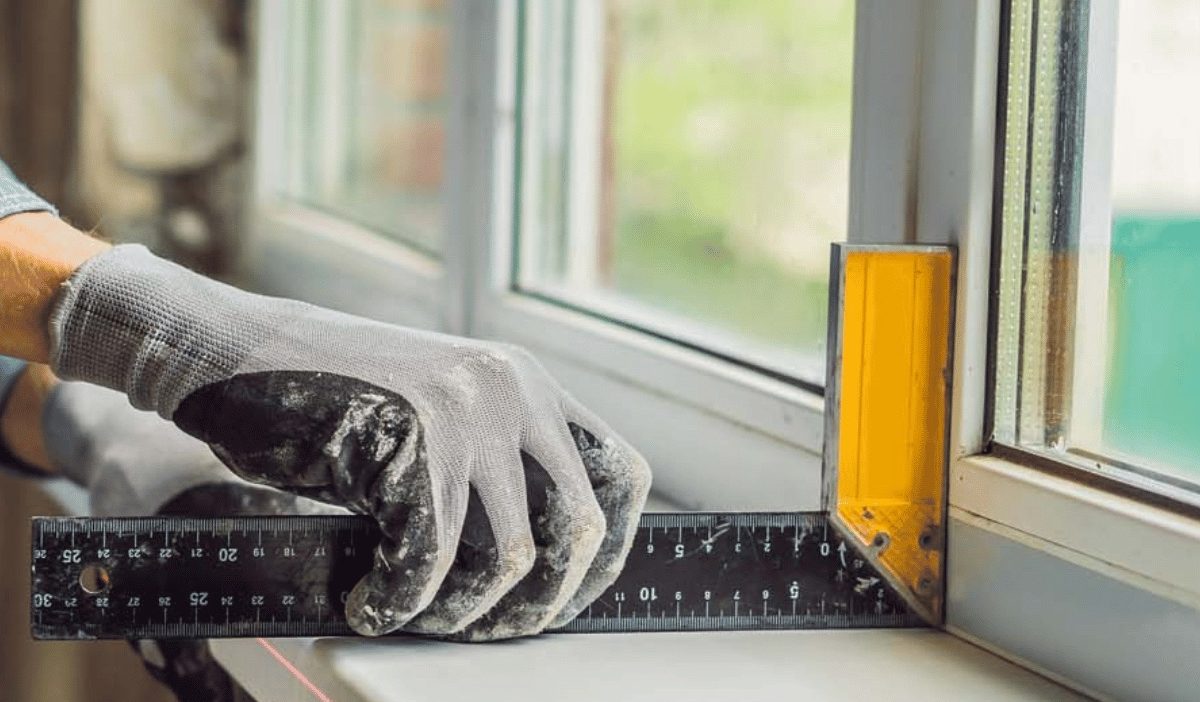
Professional installation is critical to maximizing performance and longevity. Even the highest-quality windows will underperform if not installed correctly. Proper installation ensures windows are level, square, and adequately sealed. You can find window replacement services near you that understand local climate conditions and building codes.
Choosing the Right Replacement Windows
When selecting replacement windows, frame material is a primary consideration. Vinyl windows are popular due to low maintenance, good energy efficiency, and cost-effectiveness. Quality vinyl windows last 20-40 years. Fiberglass frames offer superior strength and stability with even better energy efficiency, though at higher cost.
Glass options matter equally. Double-pane windows are standard, but triple-pane may be worth considering for maximum noise reduction or energy efficiency. Low-E coatings are essential in Cincinnati’s climate.
Working with a qualified contractor ensures you get the right windows for your situation. They can perform energy assessments and prioritize replacements if working with budget constraints.
Wrapping Up
Condensation between window panes signals more than a cosmetic issue. It indicates lost energy efficiency, higher utility bills, and potential moisture problems that worsen over time. While repair options seem appealing cost-wise, they’re ineffective and don’t restore window performance.
Complete window replacement is the only permanent solution, offering modern technology like Low-E coatings and improved gas fills. The investment pays dividends through lower energy bills, improved comfort, and enhanced home value. Don’t wait until multiple seals fail or additional damage occurs. Addressing the problem promptly saves money and prevents living with foggy, inefficient windows.
Frequently Asked Questions
Can condensation between window panes go away on its own?
No, condensation between window panes will not resolve itself. Once the seal fails and moisture enters the space between glass layers, the problem is permanent and worsens over time. While condensation may appear and disappear with temperature and humidity changes, the seal hasn’t repaired itself. The only permanent solution is complete window replacement.
How much does it typically cost to replace a window with a failed seal?
Replacement costs vary based on size, style, frame material, and glass options. Homeowners can expect to pay $300-800 per window for standard double-hung vinyl windows with installation. Larger windows or premium materials like fiberglass can cost $1,000-2,500 or more. Getting multiple contractor quotes helps ensure fair pricing.
Is it worth replacing just one window or should I replace all of them at once?
This depends on your budget, other window ages, and overall energy efficiency. If only one or two windows have failed seals and others are new and functioning well, replacing just failed units makes sense. However, if windows are all the same age (15+ years), replacing them together is often more cost-effective, providing installation savings and ensuring style matching.
Will my homeowner’s insurance cover window seal failure?
Generally, homeowner’s insurance doesn’t cover window seal failure because it’s considered normal wear and tear. Policies typically cover damage from specific events like storms or vandalism, not natural deterioration. Check your policy documents or contact your agent for specific coverage details. Some manufacturers offer warranties covering seal failure within certain timeframes.
Are triple-pane windows worth the extra cost compared to double-pane?
Triple-pane windows offer better insulation and noise reduction than double-pane windows, but whether they’re worth the additional 20-40% cost depends on your priorities and circumstances. In Cincinnati’s climate, the energy savings from triple-pane windows compared to quality double-pane windows are modest and may take many years to recoup through reduced utility bills. However, triple-pane windows provide superior comfort by reducing cold spots near windows, and they significantly outperform double-pane for sound reduction, which is valuable if you live near a busy street. For most homeowners, high-quality double-pane windows with Low-E coatings and argon fills provide the best balance of performance and value.