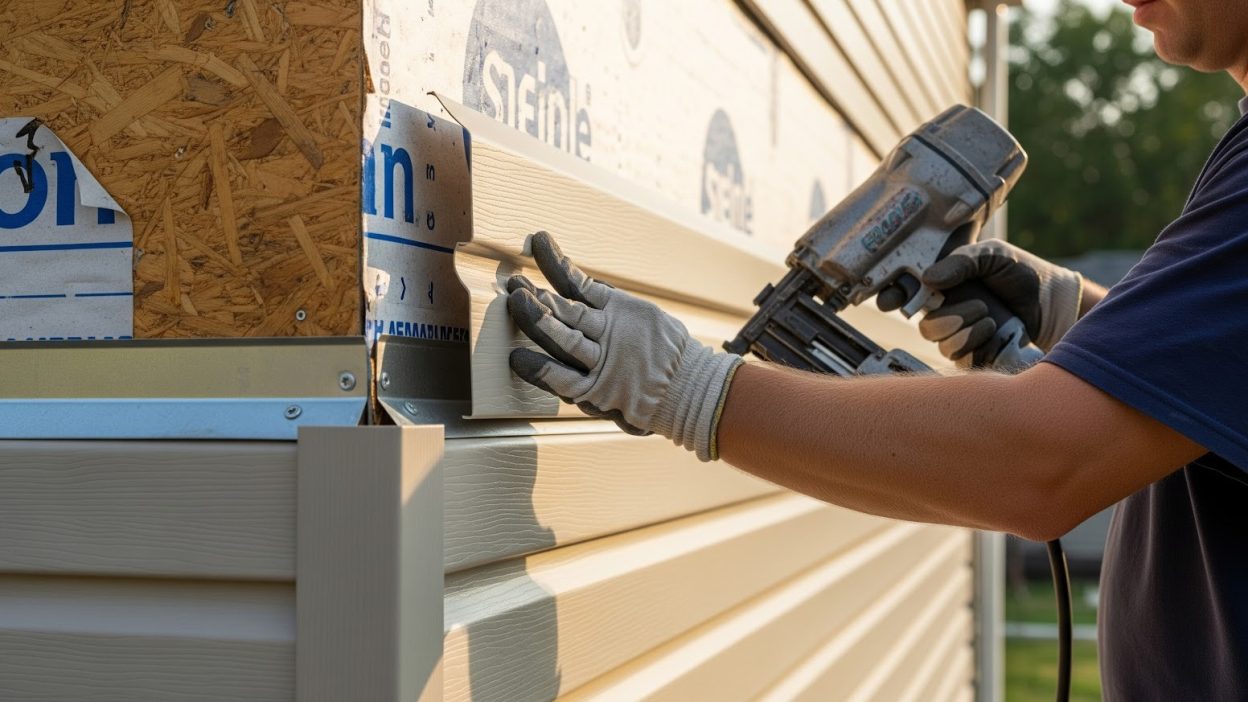
Vinyl siding is one of the most popular exterior cladding options in the United States, valued for its affordability, low maintenance, and versatility. But like any building material, it does not last forever. Knowing when to replace vinyl siding in Cincinnati, OH can save homeowners from costly structural repairs down the road. If your siding is cracked, faded, or buckling, the problem often goes well beyond appearance. Damaged panels can allow moisture and pests to infiltrate wall sheathing, insulation, and framing, quietly turning a cosmetic issue into a serious structural one. If your home has vinyl siding that is showing signs of wear, this guide will help you understand exactly what to look for and when a full replacement becomes the smarter investment.
Why Vinyl Siding Fails: The Basics
Vinyl siding is made from polyvinyl chloride (PVC), which expands and contracts with temperature changes. Under ideal conditions, a quality vinyl siding installation can last 20 to 40 years. However, exposure to extreme weather, poor installation, and deferred maintenance can cut that lifespan significantly shorter, especially in climates like Cincinnati’s where temperatures can swing more than 100 degrees Fahrenheit between winter lows and summer highs.
According to the U.S. Department of Energy, the building envelope (walls, roof, and foundation) plays a critical role in a home’s energy efficiency. When siding fails, the thermal barrier of a home is compromised, leading to higher utility bills alongside the risk of structural damage.
7 Red Flags That Signal It Is Time to Replace Your Vinyl Siding
1. Widespread Cracking or Chipping
Small cracks can sometimes be patched, but when cracking becomes widespread across multiple panels, it usually signals that the material has become brittle with age. Vinyl becomes increasingly fragile as it ages, especially after years of UV exposure. A single cracked panel can be replaced individually, but if you are finding damage on multiple walls or sections, the remaining panels are likely not far behind. Replacing only a few panels also risks a visible color mismatch since old siding fades over time.
2. Bubbling or Blistering Panels
Bubbling beneath the surface of vinyl siding is almost always a sign of trapped moisture. This happens when water infiltrates behind the panels due to improper installation, failed caulking, or cracks that went unaddressed. Once moisture is trapped, it can lead to mold growth, wood rot in the sheathing, and even pest infestations. If you notice bubbling in multiple areas, the underlying damage may already extend beyond what a simple panel swap can fix.
3. Warping and Buckling
Warped or buckled siding panels are often the result of excessive heat exposure, including heat reflected off windows with low-E coatings, or improper installation that left no room for natural expansion. In Cincinnati, summer temperatures routinely push well above 90 degrees Fahrenheit, which can cause vinyl panels to soften and distort. Persistent warping indicates that the material has exceeded its tolerance and replacement is warranted.
4. Loose or Missing Panels
Panels that have come loose or fallen off entirely are an immediate concern. Gaps in siding allow wind-driven rain, insects, and rodents to access wall cavities. While a missing panel or two can sometimes be reattached or replaced individually, recurring looseness across your home suggests the fasteners, the substrate, or the original installation method has failed.
5. Visible Mold, Mildew, or Fungal Growth Underneath
Surface mold on the exterior of vinyl can often be cleaned with a mild detergent solution. The more serious problem is mold or fungal growth that has developed underneath the panels and on the wall sheathing itself. This type of growth signals chronic moisture infiltration and is a strong indicator that replacement is necessary. According to the Environmental Protection Agency, mold in wall systems can pose significant health risks and should be addressed promptly and thoroughly.
6. Significant Fading or Chalking
All vinyl siding fades gradually over time due to UV exposure, but significant or uneven fading is a sign that the protective outer layer has been depleted. When siding develops a chalky residue that does not wash off, the UV inhibitors in the material are exhausted. At this stage, the siding is more vulnerable to cracking and impact damage. While fading alone is not a structural issue, it is often accompanied by brittleness and reduced weather resistance that shortens remaining useful life.
7. Consistently High Energy Bills
If your heating and cooling costs have been creeping upward without a clear explanation, failing siding may be partly responsible. As vinyl ages and develops gaps, cracks, or loose seams, the air barrier of the home is compromised. Energy Star research consistently shows that sealing and insulating the building envelope is among the most effective ways to reduce residential energy use. Drafty walls traced back to siding failure are a strong signal that a replacement, particularly with insulated vinyl or fiber cement, could pay dividends on utility savings.
Cincinnati’s Climate and Its Impact on Vinyl Siding Lifespan
Cincinnati sits in a region the National Weather Service classifies as a humid continental climate, characterized by hot, humid summers and cold, icy winters. This type of climate is particularly hard on exterior cladding materials because of the repeated freeze-thaw cycles in winter and intense heat in summer.
Vinyl expands in heat and contracts in cold. Over many years, this constant movement creates stress points along seams, fastener holes, and panel overlaps. What might last 35 years in a mild coastal climate may only perform reliably for 20 to 25 years in a Cincinnati home. Homeowners in the area should plan for a more proactive inspection and maintenance schedule than the national average suggests.
Ice dams are another regional concern. When snow melts on a warm roof and refreezes at the eaves, water can back up and push beneath siding at the roofline. Over multiple winters, this cycle can cause significant damage to both siding and the wall structure behind it.
Repair vs. Replacement: How to Decide
Not every siding issue demands a full replacement. Here is a straightforward way to think about the decision:
Repair makes sense when:
- Damage is limited to one or two panels
- The rest of the siding is in sound condition with no widespread fading or brittleness
- The home is less than 15 years old and the siding still has meaningful life remaining
- The underlying sheathing and house wrap show no signs of moisture damage
Replacement makes more sense when:
- Damage is distributed across multiple walls or elevations
- The siding is more than 20 years old with visible weathering throughout
- Moisture has reached the sheathing, insulation, or framing
- Energy bills have increased without another obvious cause
- You are planning to sell the home and want to improve curb appeal and buyer confidence
One practical consideration: matching replacement panels to older, faded siding is difficult. Even when the same color profile is available, new panels will stand out against weathered existing panels. In many cases, replacing an entire elevation or the whole home is more cost-effective than a patchwork approach.
Cost-Benefit Snapshot: Patching vs. Upgrading
Patching existing vinyl siding typically costs between $300 and $1,500 for a few panels depending on labor and materials. While this is the lower upfront investment, it only addresses visible symptoms. If underlying moisture damage is not corrected, the same sections are likely to fail again within a few seasons.
Full vinyl siding replacement averages between $5,000 and $14,000 for a typical single-family home in the Cincinnati area, depending on square footage, panel profile, and labor costs. The National Association of Realtors consistently ranks siding replacement among the highest-ROI exterior remodeling projects for resale value.
Upgrading to insulated vinyl siding adds a layer of rigid foam backing that improves the R-value of the wall assembly and reduces thermal bridging. The added cost is typically 10 to 20 percent above standard vinyl, but the energy savings and impact resistance often justify the investment for homeowners planning to stay long-term.
Fiber cement siding is a step up in durability and aesthetics. It resists moisture, pests, fire, and impact damage better than vinyl. It does cost more, ranging from $8,000 to $20,000 or more installed, but it carries longer warranties and a strong return on investment, especially in climates with significant weather variation like Cincinnati.
Final Thoughts: Protecting Your Home Starts at the Exterior
Vinyl siding problems rarely stay cosmetic for long. What begins as a few cracked or bubbling panels can quietly allow moisture and air infiltration that damages insulation, framing, and interior finishes over time. Staying attentive to the warning signs covered in this guide and acting before damage spreads is the most cost-effective approach for any homeowner.
If you are in the Cincinnati area and suspect your siding may be approaching the end of its useful life, a professional inspection can help you understand the true scope of the issue and the options available to you. You can also explore local vinyl siding services on Google Maps to find qualified contractors in your area.
Investing in quality siding replacement, whether standard vinyl, insulated vinyl, or fiber cement, improves energy efficiency, protects structural components, and enhances the long-term value of your home.
Frequently Asked Questions
1. How long does vinyl siding typically last?
Under average conditions, vinyl siding lasts between 20 and 40 years. Climate, installation quality, and maintenance all affect its actual lifespan. Homes in areas with extreme temperature swings, like Cincinnati, Ohio, tend to see vinyl siding wear out closer to the lower end of that range.
2. Can individual vinyl siding panels be replaced without replacing the entire home?
Yes, individual panels can be replaced when damage is limited to a small area and the rest of the siding is in good condition. The main challenge is matching the color and profile of existing panels, especially if the siding has been on the home for more than a decade and has faded with age.
3. What is the difference between insulated vinyl siding and standard vinyl siding?
Insulated vinyl siding has a layer of expanded polystyrene (EPS) foam bonded to the back of the panel. This foam improves the wall’s thermal resistance, reduces outside noise, and makes the panel more rigid and resistant to denting and impact. Standard vinyl siding has no foam backing and relies on the wall assembly itself for insulation.
4. Is mold on the outside of vinyl siding a serious problem?
Surface mold on the exterior face of vinyl siding can usually be cleaned with a solution of water and mild detergent. Mold that has developed behind the panels and on the wall sheathing is a more serious concern, indicating chronic moisture infiltration that may require siding removal, mold remediation, and sheathing repair before new siding is installed.
5. What are the signs that vinyl siding damage has already affected the wall structure?
Signs that moisture has reached the wall structure include soft or spongy spots when pressing on the siding, visible rot or staining at the bottom of panels, interior wall discoloration or peeling paint, musty odors near exterior walls, and noticeably higher heating or cooling costs. A professional siding inspection can probe for structural damage that is not visible from the outside.