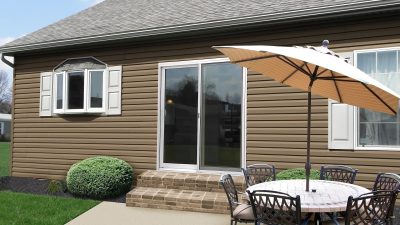

Spring in Columbus, Ohio, brings thunderstorms that roll through the region with surprising speed and intensity. Central Ohio sits inside one of the Midwest’s most active storm corridors, which means hailstorms are a recurring seasonal reality for homeowners across the metro area. Yet one of the most important things to understand is that knowing how to spot hail damage on your roof in Columbus, OH does not require you to get on a ladder. In fact, most hail damage that affects a roof’s long-term performance is invisible from street level unless you know exactly what secondary signs to look for around your home.
If you suspect your roof took a hit after a recent storm, working with a trusted provider of residential roofing services in Columbus can help you navigate the inspection and claims process properly. This guide walks you through everything a homeowner should know before calling their insurance company.
Why Columbus Homeowners Face Higher Hail Risk
Columbus sits at the intersection of warm Gulf moisture and colder Canadian air masses, a collision zone that feeds supercell thunderstorms capable of producing hail from marble-sized to baseball-sized. According to the National Oceanic and Atmospheric Administration (NOAA), Ohio consistently ranks among the top states for damaging hail events, particularly between April and July.
What makes hail damage especially tricky in Columbus is timing. A storm can pass through in under 20 minutes, and the damage it leaves behind on asphalt shingles often does not show obvious signs until weeks or months later, when leaks begin or granule loss accelerates shingle aging. By that point, filing an insurance claim becomes significantly more complicated.
Ground-Level Clues That Signal Roof Impact
The safest first step for any homeowner is a thorough ground-level inspection. You do not need to climb onto the roof to gather meaningful evidence. Here is what to look for around your property after a significant hailstorm.
Dented or Damaged Gutters and Downspouts
Walk the perimeter of your home and examine your gutters closely. Hailstones that are large enough to damage shingles will almost always leave visible dents or dings on aluminum gutters and downspouts. These dents are often round and evenly distributed, a pattern that is distinctly different from the irregular damage caused by falling branches or debris.
Pay special attention to the edges of gutter caps and the top rims where hail lands flat. Even small dents on gutters are a meaningful indicator that the roof above received comparable impact force.
Granules in Gutters and at Downspout Outlets
Asphalt shingles are coated with mineral granules that protect the underlying asphalt mat from UV exposure and physical wear. A hailstorm accelerates granule loss by knocking them loose from the shingle surface. After a storm, check your gutters and the ground directly below downspout outlets for accumulations of coarse, sand-like granules. A small amount of granule shedding is normal for aging shingles, but a sudden heavy deposit shortly after a storm is a reliable signal that significant impact has occurred above.
Dings on Soft Metal Surfaces
Air conditioning units, satellite dish mounts, metal window screens, and painted wood trim are all excellent indicators of hail impact. These softer surfaces show damage more visibly than roofing materials. Round, shallow dents on an AC condenser unit, for example, are nearly always caused by hailstones. If your AC unit shows impact marks after a storm, you can be reasonably confident the roof above experienced similar force. The Insurance Information Institute recommends documenting these secondary surfaces as supporting evidence when filing a property claim.
Damage to Fencing, Siding, and Window Screens
Walk around your entire exterior. Dented vinyl or aluminum siding, torn window screens, and chipped paint on fascia boards all tell the same story. Hail does not discriminate about what it strikes. Multiple points of impact evidence across your property strengthens an insurance claim considerably.
Cosmetic Versus Functional Hail Damage: Why the Difference Matters
Not all hail damage results in immediate structural problems, and insurance companies draw a firm line between damage that affects a roof’s ability to function and damage that is purely aesthetic. Understanding this distinction before you file a claim can save you significant frustration.
Cosmetic damage refers to impact marks, bruising, or granule loss that affects the appearance of shingles but does not compromise their ability to shed water or protect the roof deck. Some insurance policies include exclusions for cosmetic damage only, meaning the insurer will not pay to replace a roof that shows bruising or minor granule loss if the underlying structure remains watertight.
Functional damage means the hailstorm has compromised the integrity of the shingle itself, cracking the asphalt mat, exposing the fiberglass backing, breaking the waterproof seal, or creating fractures that will allow water penetration. Functional damage shortens the remaining life of the roof dramatically and almost always qualifies for coverage under standard homeowners policies.
According to the National Roofing Contractors Association (NRCA), a trained inspector can distinguish between the two through hands-on examination, pressing gently on suspected impact points to detect soft spots where the mat has been fractured beneath an intact surface layer. This is why a professional inspection matters: visual evidence alone from the ground rarely tells the full story.
Step-by-Step: Documenting Damage Before Calling Your Insurer
Acting methodically in the days immediately following a storm protects your claim and prevents disputes with your insurance company later.
Step 1: Record the storm date and any available weather data. Apps like Weather Underground and the Storm Events Database from NOAA allow you to look up verified hail reports by zip code and date. Download or screenshot this data immediately, as it provides objective third-party confirmation that a qualifying storm occurred in your area.
Step 2: Photograph all ground-level damage. Use your smartphone to photograph dented gutters, granule deposits, AC unit dings, damaged screens, and any other soft-metal or soft-surface impact marks. Include wide shots showing the full surface as well as close-ups of individual dents.
Step 3: Do not attempt DIY roof access. Walking on a potentially damaged roof without experience creates both personal safety risks and the possibility of adding damage that complicates your claim. Leave the elevated inspection to a licensed roofing contractor.
Step 4: Contact a roofing contractor for a free storm inspection before calling your insurer. Many reputable roofing companies in the Columbus area offer free post-storm inspections. Getting a professional assessment first gives you documented evidence and a clear understanding of what you are dealing with before your adjuster arrives. This also prevents you from filing a claim for damage that may not meet your deductible threshold.
Step 5: File your claim promptly. Ohio homeowners insurance policies typically require claims to be reported within a reasonable time after the loss event, and many policies specify a one-year window for storm-related claims. Contact your insurer as soon as you have your documentation in order.
What to Expect from a Professional Roof Inspection
A qualified roofing inspector will evaluate several specific areas of your roof during a post-storm assessment. They will check ridge caps and field shingles for impact bruising and fractures, inspect flashing around chimneys, vents, and skylights for lifted seams or bent metal, assess the condition of the roof deck for soft spots indicating water infiltration, and examine ridge vents and pipe boots for damage.
The inspector should provide you with a written report detailing their findings, including photographs taken from the roof surface. This documentation is your primary evidence when working with your insurance adjuster. If the adjuster’s assessment conflicts with the inspector’s findings, you have the right to request a re-inspection or bring in a public adjuster.
Working With Your Insurance Adjuster
Once your claim is filed, your insurer will send an adjuster to evaluate the damage. A few important things to keep in mind during this process. First, you are allowed to have your roofing contractor present during the adjuster’s inspection. Having a contractor on-site who can point out specific damage findings ensures that nothing gets overlooked. Second, insurance adjusters inspect dozens of properties after major storm events and are sometimes working under significant time pressure. Thorough documentation and a contractor advocate on your behalf leads to more complete claim outcomes. Third, if your claim is partially or fully denied, Ohio homeowners have the right to appeal through their insurer’s internal review process and, if necessary, through the Ohio Department of Insurance.
Final Thoughts on Protecting Your Columbus Home After a Hailstorm
Hail damage is one of those problems that rewards prompt attention and penalizes delay. What starts as granule loss or a hairline fracture in a shingle mat can become a significant leak within a single winter freeze-thaw cycle. Columbus homeowners who act quickly after a storm, document thoroughly, and work with licensed professionals are far more likely to receive a fair insurance settlement and avoid costly out-of-pocket repairs down the road.
If you are uncertain whether your roof sustained damage after a recent storm, a no-cost professional inspection is always the right starting point. You can also find locally reviewed roofing professionals by searching our roofing contractor location on Google Maps to connect with trusted service providers in your area.
Wrapping Up: Be Proactive, Not Reactive
Hail damage in Columbus is not a matter of if but when. The spring and early summer storm seasons bring fast-moving weather systems that can drop significant hail with very little warning. The homeowners who fare best are those who understand what to look for on the ground, know the difference between cosmetic and functional damage, and build a relationship with a trusted local roofing professional before an emergency forces a hasty decision.
Taking 30 minutes to walk your property after the next hailstorm, armed with the knowledge in this guide, can be the difference between a fully covered repair and a bill you are paying out of pocket.
Frequently Asked Questions
Q: How soon after a hailstorm should I inspect my property?
You should conduct a ground-level inspection within 24 to 48 hours of a storm whenever it is safe to do so. Prompt documentation while impact evidence is fresh supports a stronger insurance claim. Avoid climbing the roof yourself and instead schedule a professional inspection within the first week.
Q: What size hail causes damage to asphalt shingles?
Hailstones one inch in diameter (approximately the size of a quarter) and larger are generally considered capable of causing functional damage to standard asphalt shingles. Smaller hail may still accelerate granule loss or cause cosmetic bruising, particularly on older or already-weathered roofs.
Q: My neighbors filed claims but my insurer denied mine. What should I do?
Denial does not necessarily mean the damage does not exist. Request a copy of the adjuster’s report and compare it against your contractor’s inspection findings. You have the right to a reinspection, and you can also contact the Ohio Department of Insurance to file a complaint or request assistance if you believe your claim was handled unfairly.
Q: Does hail damage always cause an immediate leak?
Not always. Functional hail damage compromises shingle integrity but may not produce a visible leak for weeks, months, or even years depending on the severity of the fracture and subsequent weather exposure. This is one reason why filing a claim based on storm documentation rather than waiting for a leak is important.
Q: Will filing a hail damage claim raise my homeowners insurance premium?
In most cases, a single weather-related claim does not result in a premium increase because the event is not considered preventable by the homeowner. However, this varies by insurer and policy. It is worth asking your agent about your specific policy terms before filing, particularly if the damage estimate is close to your deductible amount.