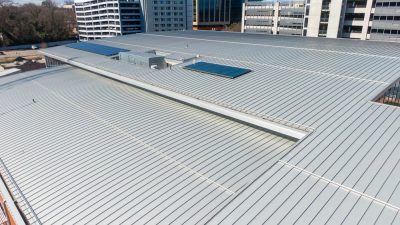
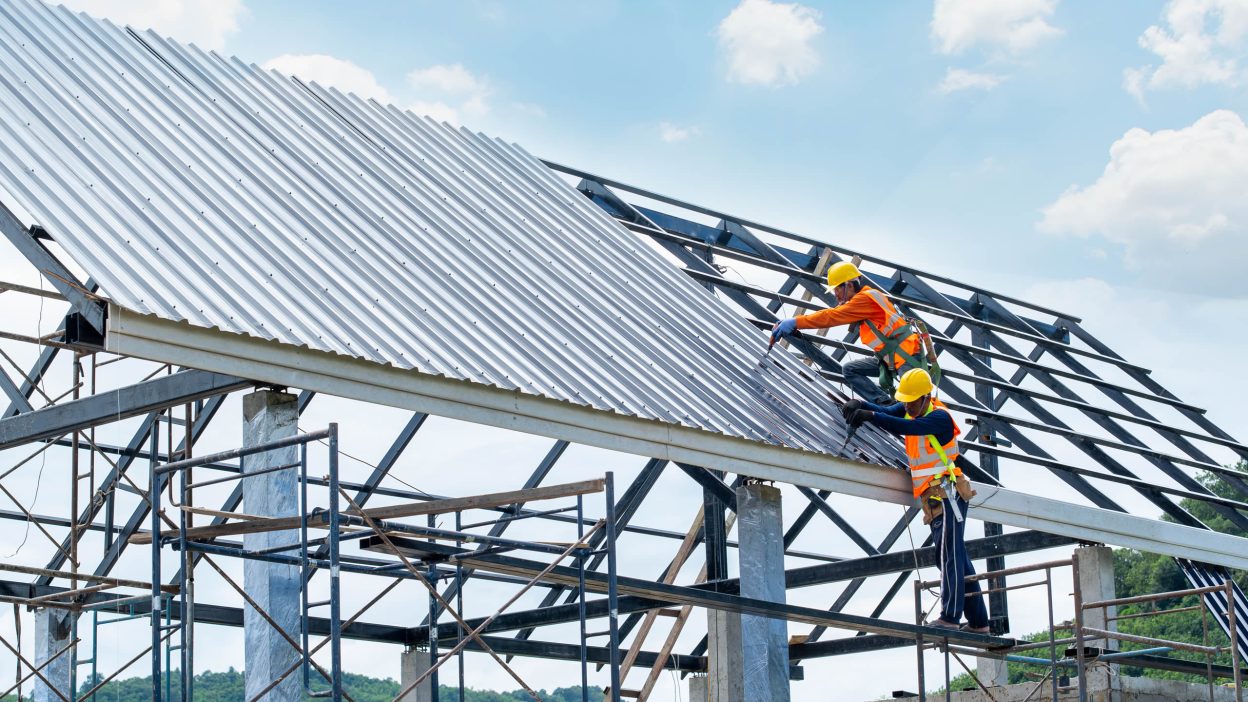
For business owners, a damaged or deteriorating roof is more than an inconvenience. It can interrupt operations, damage equipment and inventory, drive away customers, and lead to expensive structural repairs. Investing in professional commercial roofing services in Covington, KY before minor issues escalate is one of the most practical decisions a property owner can make. Whether you manage a retail space, warehouse, office building, or industrial facility, understanding the most common commercial roofing problems and their consequences can save you significant time, money, and frustration.
The Most Common Commercial Roofing Problems
1. Roof Leaks and Moisture Intrusion
Leaks are the most frequently reported commercial roofing issue. Unlike residential roofs with steep slopes that shed water quickly, most commercial buildings feature flat or low-slope roofs that are more susceptible to water pooling and seepage. Leaks can develop from cracked seams, punctured membranes, failed flashing around HVAC units, or deteriorated caulking.
Even a small, slow leak can saturate insulation, weaken roof decking, and promote the growth of mold and mildew inside walls and ceilings. According to the National Roofing Contractors Association (NRCA), most commercial roof failures stem from poor installation, deferred maintenance, or inadequate drainage, all of which contribute directly to leaks.
2. Ponding Water
Flat and low-slope roofs are particularly vulnerable to ponding water, which is defined as standing water that remains on the roof surface for 48 hours or more after rainfall. This issue commonly results from clogged drains, inadequate slope, or structural settling.
The weight of ponding water puts excessive stress on the roof structure and can accelerate membrane deterioration. Over time, the prolonged moisture contact softens the roofing material, making it more susceptible to cracking, blistering, and algae growth. If left untreated, even a few inches of standing water can cause thousands of dollars in structural damage.
3. Membrane Damage and Blistering
Most commercial roofs rely on a single-ply or built-up membrane system as their primary waterproofing layer. These membranes can experience blistering, shrinkage, and cracking over time due to UV exposure, thermal movement, and foot traffic from maintenance personnel.
Blisters form when air or moisture becomes trapped between membrane layers. As temperatures fluctuate, these pockets expand and contract, eventually breaking the membrane surface and allowing water to penetrate. TPO, EPDM, and modified bitumen roofs are all subject to this type of deterioration if not regularly inspected and maintained.
4. Flashing Failures
Flashing is the metal or membrane material used to seal transitions and penetrations on a roof, such as around vents, skylights, chimneys, and HVAC equipment. Flashing failures are a leading cause of commercial roof leaks because these transition points are under constant stress from thermal expansion, wind, and vibration.
When flashing pulls away or corrodes, it creates an open pathway for water to travel directly into the building envelope. This type of damage is often overlooked during routine visual inspections because the failure may not be visible from ground level.
5. Punctures and Physical Damage
Commercial roofs are regularly accessed by HVAC technicians, maintenance workers, and delivery personnel. Foot traffic, dropped tools, and equipment installation can puncture the roof membrane or crack rigid insulation beneath the surface.
Hailstorms and windstorms are also frequent culprits of physical damage. Even impacts that appear minor on the surface can compromise the membrane’s integrity, allowing moisture to seep in gradually over weeks or months before a visible interior leak develops.
6. Poor Installation and Workmanship
Substandard installation is one of the most preventable yet damaging problems a commercial roof can face. Improperly secured membranes, insufficient overlap at seams, and inadequate drainage planning can all lead to premature failure. According to Buildings.com, poor workmanship is cited as a primary factor in a significant percentage of commercial roofing warranty claims filed each year.
How Roofing Problems Impact Business Operations and Property Value
The consequences of ignoring commercial roof damage extend well beyond the roof itself. Here is how deteriorating roofing conditions ripple through your entire operation:
Interruption of Business Operations Water intrusion from a leaking roof can damage computers, machinery, inventory, and electrical systems. In severe cases, businesses are forced to temporarily close affected areas or halt operations entirely while repairs are made. This leads to lost revenue, dissatisfied customers, and disruption to staff.
Higher Energy Costs A compromised roof membrane or wet insulation significantly reduces a building’s thermal performance. Heating and cooling systems must work harder to maintain comfortable indoor temperatures, driving up utility bills month after month. The U.S. Department of Energy notes that a building’s roof and attic insulation are among the most impactful factors in overall energy efficiency.
Mold, Air Quality, and Liability Issues Moisture that enters through roof leaks creates the ideal environment for mold growth. Mold spreads quickly through wall cavities, ceiling tiles, and HVAC ductwork. In a commercial setting, this can create occupant health concerns, trigger building code violations, and expose the property owner to legal liability.
Structural Deterioration Persistent moisture exposure weakens wooden decking, steel joists, and load-bearing components over time. What begins as a surface-level membrane issue can eventually compromise the building’s structural integrity, leading to repair costs that are many times greater than the original roofing problem.
Reduced Property Value A building with known or suspected roof problems becomes harder to lease, sell, or refinance. Commercial property appraisers factor roofing condition into valuations, and buyers or lenders often require roof certifications before completing a transaction. Deferred maintenance signals neglect and increases the perceived risk of acquiring the property.
Why Professional Commercial Roofing Services Are the Smart Solution
Addressing commercial roofing problems with a qualified, experienced contractor prevents minor issues from compounding into major structural and financial crises. Here is what a professional approach delivers:
Accurate Diagnosis Professional roofers use tools such as infrared thermography and moisture meters to detect problems that are not visible to the naked eye. This means identifying wet insulation or failing seams before they cause interior damage.
Code-Compliant Repairs and Installations Commercial roofing is governed by local building codes, fire ratings, and manufacturer installation specifications. Professional contractors stay current with these requirements, ensuring that repairs and replacements are compliant and that warranties remain valid.
Preventive Maintenance Programs Scheduling regular roof inspections and maintenance through a commercial roofing contractor helps identify vulnerabilities before they become failures. Many contractors offer annual or bi-annual maintenance agreements that include drainage cleaning, seam inspections, flashing checks, and minor repairs as needed.
Insurance Claim Assistance Storm damage, wind uplift, and hail impacts are often covered by commercial property insurance. Experienced roofing contractors can document damage accurately, prepare the evidence needed for a claim, and coordinate with adjusters to ensure you receive fair compensation for covered repairs.
Extended Roof Lifespan A well-maintained commercial roof can last 20 to 30 years or more depending on the system. Regular professional attention significantly extends that lifespan, protecting your roofing investment and delaying the significant cost of a full replacement.
Recognizing When Your Commercial Roof Needs Attention
Catching problems early is the most effective way to minimize repair costs and operational disruption. Watch for these warning signs:
- Water stains or discoloration on interior ceilings or walls
- Visible bubbling, cracking, or separation in the roof membrane
- Standing water on the roof surface after rainfall
- Increased heating or cooling costs without a clear explanation
- Musty odors or visible mold inside the building
- Sagging or soft spots when walking on the roof
- Damaged or missing flashing around roof penetrations
- Clogged or overflowing roof drains and gutters
If you observe any of these signs, arranging a professional inspection promptly is the best course of action. Early intervention consistently results in lower repair costs and less disruption to day-to-day operations.
Final Thoughts on Protecting Your Commercial Roof
A commercial roof is one of the largest and most critical investments in any business property. The problems that develop on commercial roofs, from leaks and ponding water to membrane deterioration and flashing failures, rarely resolve themselves. They grow silently, causing mounting damage to the structure, the interior, and the business operations beneath them.
Working with a licensed, experienced roofing contractor for both reactive repairs and proactive maintenance is the most reliable way to protect that investment. Regular professional attention reduces long-term costs, preserves property value, and ensures that the building remains a safe and functional environment for employees, customers, and equipment.
If you are in the Northern Kentucky or Greater Cincinnati area and need a professional evaluation of your commercial roof, you can find trusted local roofing expertise here.
Frequently Asked Questions About Commercial Roofing Problems
Q1: How often should a commercial roof be professionally inspected? Most roofing professionals recommend inspecting a commercial roof at least twice per year, typically in the spring and fall. Additional inspections are advisable after major storms, heavy snowfall, or any event that could have caused physical damage to the roof surface or drainage systems.
Q2: What is the most common cause of leaks in commercial roofs? The most common causes include failed seams in the roof membrane, deteriorated flashing around penetrations like HVAC units and vents, clogged drainage systems that lead to ponding water, and physical damage from foot traffic or storm debris. Regular inspections can catch most of these issues before they result in interior leaks.
Q3: Can commercial roof repairs be covered by business insurance? Yes, many commercial roof repairs related to storm damage, wind uplift, or hail are covered under standard commercial property insurance policies. It is important to document damage promptly and work with a roofing contractor experienced in insurance claims to ensure accurate reporting and fair compensation.
Q4: How long does a commercial roof typically last? The lifespan of a commercial roof depends on the type of system installed and the level of maintenance it receives. TPO and EPDM single-ply membranes typically last 15 to 25 years, while built-up roofing and modified bitumen systems can last 20 to 30 years or longer with proper care. Metal commercial roofing systems can exceed 40 years when well maintained.
Q5: What is the difference between commercial roof repair and replacement? A repair addresses specific damaged areas or components, such as patching a puncture, resealing flashing, or clearing blocked drains. A replacement involves removing the existing roofing system down to the deck and installing an entirely new one. A professional inspection is the most reliable way to determine which option is appropriate based on the age of the roof, the extent of damage, and the overall condition of the membrane and underlying structure.
Q6: What should I look for when hiring a commercial roofing contractor? Look for a contractor who is licensed and insured in your state, has documented experience with commercial roofing systems, can provide references from similar projects, and offers a clear written estimate. Contractors who are manufacturer-certified for the specific roofing system being installed can also provide extended material warranties, which adds long-term value to the investment.