
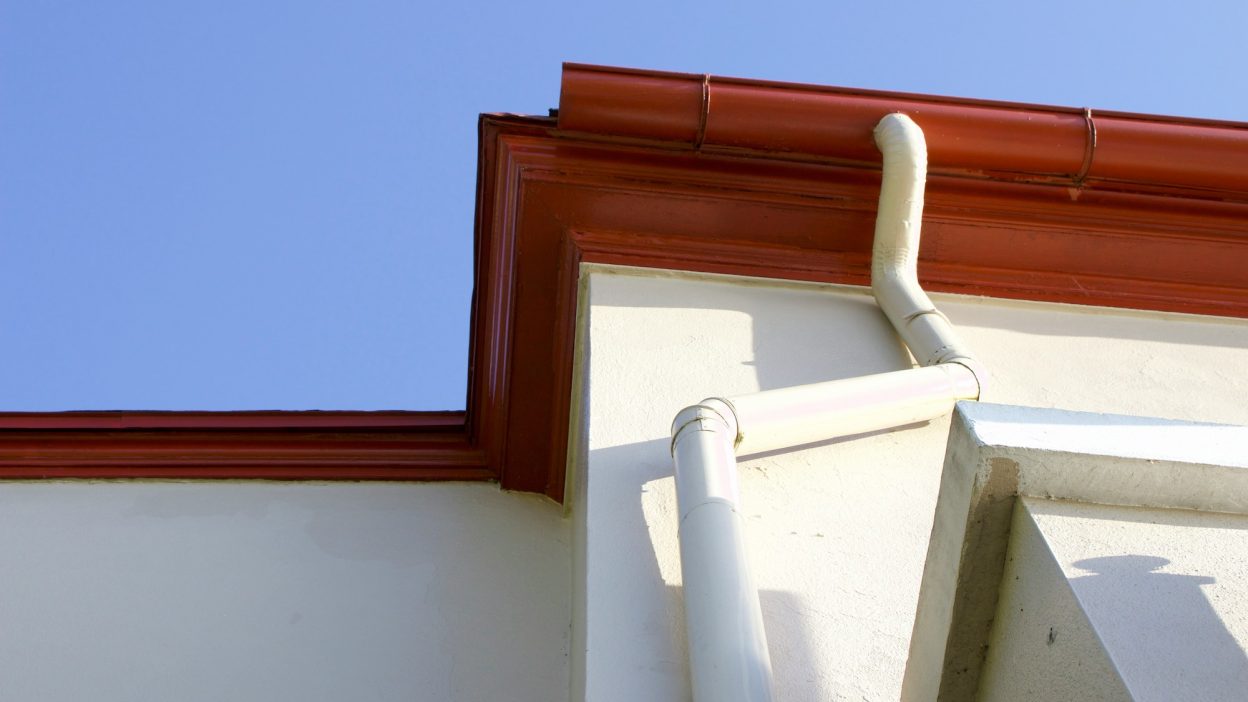
Gutters are one of the most overlooked components of a home’s exterior, yet they play a critical role in protecting the entire structure from water intrusion. When gutters begin leaking or overflowing, the consequences can quickly escalate from a minor nuisance to a major structural problem. Homeowners across Northern Ohio who notice water spilling over the sides of their gutters, pooling near their foundation, or streaking down their siding should treat these signs as an urgent call to action. Professional gutter repair services are the fastest and most reliable way to stop the damage before it spreads and becomes significantly more expensive to address.
Understanding why gutters fail, how to recognize the warning signs early, and what the repair process looks like can help homeowners make smarter, more informed decisions about their home’s exterior maintenance.
The Role Gutters Play in Protecting Your Home
A properly functioning gutter system does much more than redirect rainwater. It forms the first line of defense between precipitation and your home’s foundation, landscaping, siding, and basement. When water is channeled correctly through gutters and downspouts, it is directed safely away from the perimeter of the structure. Without effective gutters, rainwater falls directly off the roofline and saturates the soil closest to your foundation, increasing the risk of erosion, basement flooding, and long-term structural compromise. According to the Insurance Information Institute, water damage is among the most common and costly homeowner insurance claims in the United States, making preventive maintenance a financial priority as much as a structural one.
Gutters also protect your fascia boards, the wooden strips that run along the roofline, from rot caused by prolonged moisture exposure. When these boards deteriorate, they can compromise the integrity of the roof overhang and even the roof deck itself. Additionally, overflowing gutters can saturate landscaping and cause extensive erosion in garden beds and lawns. Each of these consequences can be avoided with regular gutter maintenance and timely repairs.
Most Common Gutter Problems Homeowners Face
Leaks and Holes
Leaks are among the most frequently reported gutter issues. They often develop at the seams or joints where two sections of gutter meet, particularly in older sectional gutter systems. Over time, the sealant used at these joints breaks down due to thermal expansion, contraction, and exposure to the elements. Small holes can also develop from corrosion or physical impact, such as a branch falling during a storm. Even a minor, slow-dripping leak can cause significant water damage to fascia boards and the siding beneath the gutter if left unaddressed.
Clogs and Debris Buildup
Clogged gutters are the most common problem and arguably the one most homeowners can prevent with consistent seasonal maintenance. Leaves, twigs, seed pods, roofing granules, and even bird nests can accumulate inside gutters and block the flow of water. When water cannot flow through to the downspout, it pools inside the gutter channel and eventually spills over the sides. Standing water in gutters also accelerates rusting and corrosion, particularly in aluminum and steel systems, and significantly increases the weight load on gutter hangers, causing them to pull away from the fascia over time.
Sagging Gutters
Gutters that are visibly drooping or pulling away from the roofline indicate a problem with the hanger system or with the fascia board behind them. The most common cause is accumulated debris and standing water adding excessive weight to sections that were not designed to bear it. Damaged or improperly spaced hangers can also allow the gutter to sag between attachment points. Sagging gutters no longer drain at the correct pitch, causing water to pool rather than flow toward the downspout.
Improper Pitch and Slope
Gutters must be installed at a specific downward angle toward the downspout to ensure water drains efficiently. Over time, the pitch can shift due to ground movement, improper installation, or damaged hangers. When gutters are not pitched correctly, water sits stagnant inside the channel, increasing the risk of overflow during heavy rain and accelerating rust and deterioration. This is a problem that is easy to overlook visually but can be detected by watching how water moves through your gutter system during a rainstorm.
Downspout Blockages
A downspout that is clogged at its opening or within its body can create a bottleneck effect that causes water to back up and overflow from the gutter above. Downspouts can become blocked by compacted debris, animal nests, and even ice during Ohio winters. It is also important to check that downspout extensions direct water far enough from the foundation, typically at least four to six feet, to prevent pooling around the base of the home.
What Causes Gutter Damage? Identifying Early Warning Signs
Several environmental and structural factors contribute to gutter damage over time. In Northern Ohio, the combination of heavy spring rains, summer storms, autumn leaf fall, and freeze-thaw cycles during winter puts exceptional stress on gutter systems year-round.
Physical deterioration occurs naturally as gutter materials age. Aluminum gutters, which are among the most common, can last 20 years or more with proper care, but they are susceptible to denting, bending, and corrosion over time. Steel gutters can rust when their protective coating is compromised. Vinyl gutters may crack and become brittle in extreme cold.
Ice dams and freeze-thaw cycles are a specific concern in Northern Ohio winters. When snow melts on a warm roof and refreezes at the eaves, it creates ice dams that push water back under shingles and into the gutter system. The weight of ice accumulation can bend, crack, or completely separate gutters from the fascia.
Storm damage from high winds, hail, and falling tree branches can cause sudden and severe gutter damage, often requiring immediate attention before the next rain event.
Early Warning Signs to Watch For
The sooner a gutter problem is identified, the easier and less expensive it is to repair. Homeowners should watch for the following indicators:
- Water overflowing from gutters during rain events, even light ones
- Watermarks, staining, or peeling paint on siding directly below the gutter line
- Pooling water or erosion near the foundation after rainfall
- Mildew or moisture staining in the basement
- Visible sagging, separation from the fascia, or gaps between gutter sections
- Rust stains or standing water visible inside the gutter channel
- Gutters pulling away from the structure at attachment points
The National Roofing Contractors Association recommends inspecting gutters at least twice per year, once in the spring and once in the fall, to catch and correct issues before they escalate.
Why Fast Professional Repair Prevents Serious Water Damage
One of the most important things homeowners can understand about gutter repair is that delays are costly. A small leak that goes unaddressed for one season can allow water to continuously saturate the fascia and soffit, creating conditions that promote rot and mold. Mold remediation alone can cost thousands of dollars depending on the extent of the damage. Foundation repairs are even more expensive, with the National Association of Home Builders noting that foundation issues are among the most significant and costly structural problems a homeowner can face.
Fast professional repair is the most effective way to interrupt this cycle of damage. Trained technicians can identify not just the obvious problem but also the underlying causes that contributed to it, such as improper pitch, inadequate hanger spacing, or a downspout that discharges too close to the foundation. Addressing the root cause ensures that the repair holds long-term rather than requiring the same fix year after year.
Professional gutter repair also protects the home’s landscaping and structural envelope. When gutters are functioning properly, rainwater is diverted away from garden beds, walkways, and the foundation perimeter, reducing the erosion and saturation that can destabilize soil and compromise the building’s base.
For homeowners in the Wooster, Canton, and Akron areas of Northern Ohio, where seasonal weather can move quickly from heavy rain to freezing temperatures, timely repairs during fall and spring can prevent gutter issues from compounding through the harsh winter months.
What Professional Gutter Repair Typically Involves
Understanding the repair process can help homeowners know what to expect and evaluate the quality of work being performed. A comprehensive professional gutter repair service generally includes the following steps.
Inspection and assessment is the starting point. A qualified technician will walk the perimeter of the home and examine the entire gutter system, including downspouts and their discharge points. This assessment should identify all damage, not just the most visible problem areas, and should look at the condition of the fascia and soffit boards as well.
Sealing leaks and joints is one of the most common repairs. Technicians clean the interior of the gutter channel and apply professional-grade gutter sealant at all joints and any holes or cracks. This is different from consumer-grade products and provides a more durable, weather-resistant bond.
Realigning and re-pitching gutters corrects slope issues that cause standing water. This may involve repositioning hangers and re-securing the gutter to the fascia at the correct angle.
Replacing damaged sections may be necessary when a portion of the gutter is too corroded, bent, or cracked to be repaired effectively. Replacing a section is preferable to patching a badly damaged area repeatedly.
Clearing downspouts and extending discharge ensures that water can flow unobstructed from the gutter through the downspout and far enough away from the foundation to be effective.
Taking the Right Steps Toward Long-Term Gutter Health
Beyond reactive repairs, homeowners can adopt a few proactive practices to extend the life of their gutter system. Cleaning gutters at least twice a year, in spring and fall, removes the debris that leads to clogs and standing water. Installing gutter guards or leaf screens can reduce the frequency of cleaning needed, though they do not eliminate the need for periodic inspection. Trimming trees that overhang the roofline reduces the volume of leaves and branches that fall into gutters during storms.
Scheduling a professional inspection annually is particularly valuable because trained eyes can spot developing issues that homeowners may miss during a casual visual check from the ground. Small problems like a loose hanger or a pinhole leak are quick and inexpensive to fix when caught early, but they can become significant repair projects if allowed to deteriorate through another full season of weather exposure.
Final Thoughts on Protecting Your Home Through Gutter Maintenance
A well-maintained gutter system is one of the most cost-effective investments a homeowner can make in the long-term health and value of their property. The connection between functional gutters and a sound foundation, dry basement, intact siding, and lasting landscaping is direct and significant. When gutters begin to fail, the window for affordable intervention is often shorter than homeowners expect, which is why recognizing the early warning signs and acting quickly is so important.
Whether dealing with a minor leak at a joint or gutters that are pulling away from the fascia entirely, professional repair is the most reliable path to a lasting solution. The combination of proper diagnosis, quality materials, and experienced installation ensures that repairs hold up through years of seasonal weather rather than requiring repeat visits for the same problem.
Homeowners who are proactive about gutter maintenance protect not just their gutters but every structural and finish element that water exposure threatens, from the roofline down to the foundation.
Frequently Asked Questions About Gutter Repair
1. How do I know if my gutters need repair or full replacement?
If your gutters are showing localized damage such as a single cracked section, a loose hanger, or a leaking joint, repair is typically the appropriate solution. However, if the system is more than 20 years old, shows widespread sagging, has multiple sections with corrosion or cracks, or is pulling away from the fascia in several places, a full replacement may be more cost-effective in the long run. A professional inspection is the best way to get an honest assessment of your specific situation.
2. Can leaking gutters really cause foundation damage?
Yes, and it is one of the most serious consequences of neglected gutters. When gutters overflow or leak, water is deposited directly at the base of the home rather than being carried away. Over time, this saturates the soil around the foundation, which can lead to erosion, hydrostatic pressure against foundation walls, basement leaks, and eventually cracking or shifting of the foundation itself. Addressing gutter problems promptly is one of the most straightforward ways to protect your foundation.
3. How often should gutters be cleaned and inspected?
Most roofing and home maintenance professionals recommend cleaning gutters at least twice per year, typically in spring after pollen and seed season and in late fall after leaves have dropped. In areas with heavy tree coverage or frequent storms, quarterly cleaning may be warranted. Professional inspections should also occur at least once per year to identify issues that are not visible from the ground.
4. Is gutter repair something a homeowner can do themselves?
Minor tasks like scooping out debris, flushing downspouts with a garden hose, or applying a small bead of gutter sealant to a visible joint are within the capability of many homeowners. However, repairs that involve realigning the pitch of a gutter run, replacing sections, re-securing gutters that have pulled away from the fascia, or working at significant heights on steep rooflines are best handled by professionals. Improper repairs can create new problems, such as poor drainage pitch or inadequately sealed joints that fail quickly.
5. What is the average lifespan of a residential gutter system?
The lifespan of a gutter system depends primarily on the material. Aluminum gutters, the most common type in residential applications, typically last between 20 and 30 years with proper maintenance. Steel gutters have a similar lifespan but are more susceptible to rust. Copper gutters can last 50 years or more. Vinyl gutters, while affordable, tend to have the shortest lifespan, often 10 to 20 years, particularly in climates with extreme temperature swings like those experienced in Northern Ohio.