Most homeowners spend time thinking about their roof shingles, gutters, and insulation, yet the small perforated panels running along the underside of their roof overhangs rarely get a second glance. Those panels, the soffits, are doing critical work behind the scenes. Understanding soffit ventilation importance in Ohio is one of the most overlooked aspects of home maintenance, yet a blocked or missing soffit vent can quietly trigger a chain of damage that costs thousands of dollars to repair. If you have noticed higher energy bills, frost in your attic, or premature shingle aging, poor soffit ventilation may be the hidden culprit. Homeowners dealing with visible damage should consider speaking with a qualified contractor about soffit repair before the problem compounds into something far more expensive.
How Soffit Vents Work and Why Ohio’s Climate Demands Them
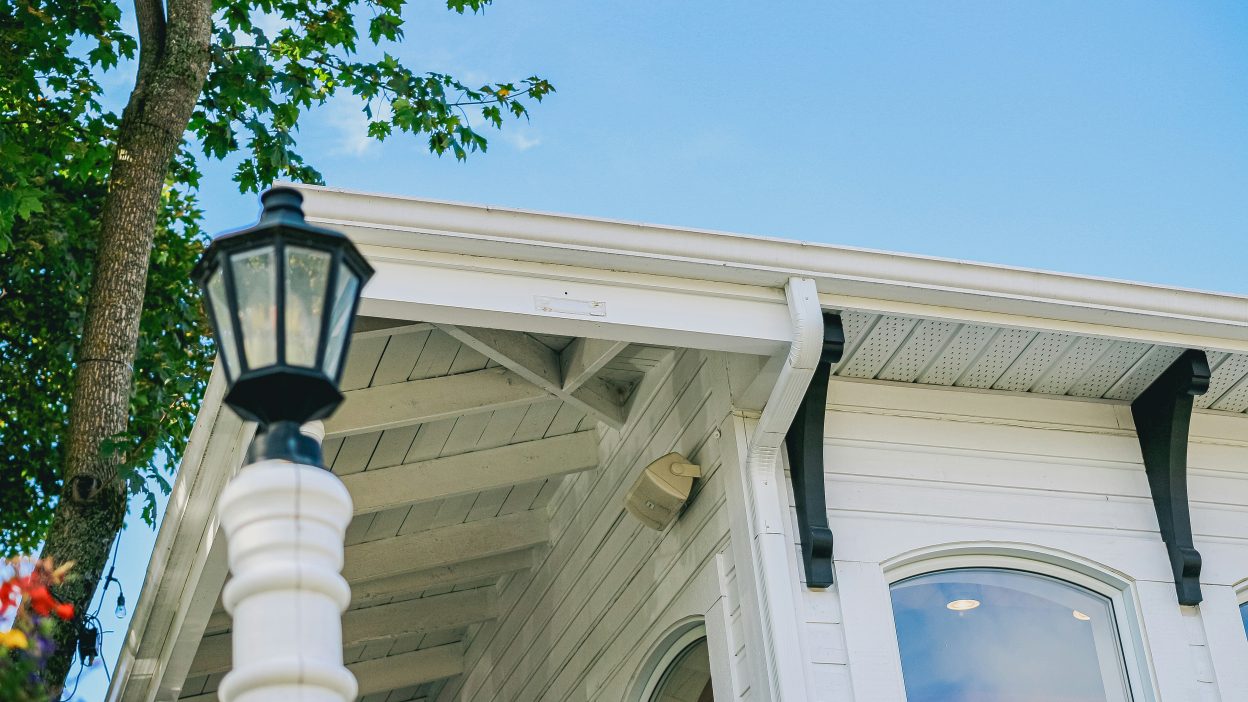
Attic ventilation operates on a simple principle: cool, fresh air enters low and warm, moist air exits high. Soffit vents sit at the lowest point of the roof system, positioned along the eaves, and they serve as the intake side of this equation. Ridge vents or gable vents at the roof’s peak serve as the exhaust side. Together, they create what building scientists call balanced attic airflow.
When outside air enters through the soffit, it travels across the underside of the roof deck and carries heat and moisture out through the ridge. Without adequate intake at the soffit level, the entire system becomes unbalanced. Even a well-installed ridge vent becomes ineffective when it has nothing to draw from at the bottom.
Ohio presents a uniquely demanding climate for this system. The state experiences genuine four-season weather, with humid summers that push heat and moisture upward into attic spaces and cold winters where temperature differentials between the living space and attic can be dramatic. According to the U.S. Department of Energy, proper attic ventilation is essential for managing moisture and reducing cooling loads in mixed-humid climates exactly like Ohio’s. Without it, homeowners face problems in both directions: excessive heat buildup in July and dangerous condensation cycles from November through March.
The International Residential Code (IRC) recommends a minimum net free ventilation area of 1/150 of the attic floor area, and it specifies that at least 40 to 50 percent of that ventilation should come from the lower portion of the attic, meaning the soffits. Many Ohio homes, particularly those built before the 1980s, fall well short of this standard.
Warning Signs That Your Soffit Ventilation Is Failing
Poor soffit ventilation rarely announces itself loudly. Instead, it creates conditions that gradually worsen until the damage becomes undeniable. Knowing what to look for can help homeowners catch the problem early.
Ice Dams in Winter
Ice dams are one of the most recognizable signs of attic ventilation failure in Ohio. They form when heat escaping from the living space warms the roof deck, melting snow on the upper portions of the roof. That meltwater runs down toward the cold eaves and refreezes. Over time, this ice ridge backs water underneath shingles, forcing it into the roof deck, insulation, and sometimes ceiling assemblies below.
The Insurance Information Institute notes that ice dams are among the leading causes of winter roof damage in northern states. Proper cold-weather ventilation, anchored by functional soffit vents, keeps the roof deck uniformly cold and prevents the temperature gradient that causes ice dams in the first place.
High Summer Energy Bills
When soffit vents are blocked, heat has nowhere to escape. Attic temperatures in an unventilated space can exceed 150 degrees Fahrenheit on a hot Ohio summer day. That heat radiates downward into the living space, forcing air conditioning systems to work harder and longer. Homeowners who notice their energy bills creeping up year over year without an obvious explanation should have their attic ventilation inspected as a first step.
Attic Condensation and Frost
During cold months, warm humid air from the living space rises into an underventilated attic. When it contacts cold surfaces, it condenses. At very low temperatures, it can freeze outright, creating a layer of frost on the roof sheathing and rafters. When temperatures rise, that frost melts, saturating the wood below. This repeated wetting and drying cycle weakens structural members and promotes rot.
Mold on Roof Sheathing
Mold growth on the underside of roof sheathing is a direct symptom of chronic moisture accumulation. Because mold requires sustained moisture to grow, its presence in an attic almost always points to ventilation failure rather than a roof leak. Mold remediation in an attic is invasive and expensive, and it will recur unless the underlying ventilation problem is corrected.
Peeling Paint or Staining on Soffits
Paint peeling from the exterior soffit panels themselves can indicate that moisture is working its way through from behind. This is a symptom that is visible from the ground and worth noting during a routine exterior inspection.
Common Causes of Blocked or Inadequate Soffit Ventilation
Understanding why soffit ventilation fails helps homeowners and contractors pinpoint the right solution.
Insulation Blocking the Vents
This is the most common cause of soffit ventilation failure and one of the most easily corrected. When attic insulation is added or redistributed, it can inadvertently block the channel that connects the soffit vent opening to the open attic space. Batt insulation pushed into the eave can completely seal off airflow. The solution is to install rigid ventilation baffles, also called rafter vents, that maintain a clear airway from the vent opening to the attic interior.
Pest Damage
Birds, squirrels, wasps, and other wildlife treat improperly screened or damaged soffit vents as convenient entry points. Once inside, they build nests that obstruct airflow and add organic debris that retains moisture. Animals can also chew through the vent screens themselves or damage the surrounding material during entry and exit.
Rotting or Deteriorated Soffit Panels
Wood soffit panels exposed to repeated moisture cycles eventually rot. When the panels themselves fail, they lose dimensional integrity and the vent openings become irregular or collapse. Vinyl and aluminum soffits can also warp, crack, or pull away from their channels over time, particularly in climates with wide seasonal temperature swings like Ohio.
Paint Covering the Vent Openings
In older homes, successive coats of exterior paint have sometimes sealed the perforated holes in soffit vents entirely. This is easy to miss during a casual inspection because the vent appears to be present, but no air movement is occurring.
Repair vs. Replace: Making the Right Decision
Not every soffit ventilation problem calls for full replacement. A targeted repair is often the right approach, but there are situations where replacement is clearly more cost-effective.
Repair is typically sufficient when the panels are structurally sound and the problem is limited to blocked vent openings, missing screens, or insulation displacement inside the attic. Clearing blocked vent holes, installing replacement screens, and adding baffles to the attic interior are all straightforward fixes that can restore proper airflow without replacing the soffit material itself.
Replacement becomes the better option when soffit panels show widespread rot, when pest damage has compromised the underlying framing, or when the existing venting area is simply insufficient for the size of the attic. Older homes with continuous wood soffits and minimal vent area are often good candidates for upgrading to continuous perforated vinyl soffit panels, which offer significantly more net free area than the discrete vent openings they replace.
When in doubt, a qualified roofing or exterior contractor can assess net free vent area, check for insulation obstructions, and identify any structural concerns in the eave assembly. Addressing these issues proactively extends roof life and reduces heating and cooling costs year-round.
The Long-Term Cost of Ignoring Soffit Ventilation
Deferred maintenance on soffit ventilation is rarely a money-saving strategy. A pair of blocked soffit vents today can lead to a full attic mold remediation project within a few years, or to shingle failure that requires a complete roof replacement years ahead of schedule. The National Roofing Contractors Association consistently points to poor ventilation as one of the primary factors in premature roofing system failure.
Ohio homeowners who invest in proper soffit ventilation, whether through minor repairs or a more comprehensive soffit replacement, protect not just their roof but the entire building envelope. The investment typically pays back quickly through reduced energy bills and extended service life of roofing materials.
Final Thoughts: Small Vents, Big Consequences
Soffit vents may be one of the most unassuming components on a home’s exterior, but their role in preserving attic health is anything but minor. In Ohio’s demanding climate, balanced attic airflow is not optional. It is the difference between a roof that lasts 25 years and one that fails at 15. Homeowners who notice any of the warning signs described here, from ice dams to elevated energy bills to attic moisture, should treat it as an invitation to inspect their soffit ventilation before the damage escalates.
For homeowners in the greater Ohio area looking for professional guidance on their soffit system, local soffit repair specialists can assess existing conditions and recommend targeted solutions that restore proper airflow and protect the home for years to come.
Frequently Asked Questions
1. What is soffit ventilation and why does it matter?
Soffit ventilation refers to the intake vents located on the underside of a roof’s overhanging eaves. These vents allow outside air to enter the attic at a low point, which then flows upward and exits through ridge or gable vents at the roof’s peak. This continuous airflow prevents heat and moisture from building up inside the attic, which can otherwise cause mold growth, structural damage, ice dams, and premature shingle failure.
2. How do I know if my soffit vents are blocked?
Signs of blocked soffit vents include excessive attic heat in summer, frost or condensation on attic surfaces in winter, mold on roof sheathing, ice dams forming along the eaves, and higher than expected heating and cooling bills. A contractor can also perform a direct inspection, looking for insulation that has migrated into the eave channel or vent openings that have been painted over or screened with debris.
3. Can I add soffit ventilation to an existing home?
Yes. Existing soffits can often be retrofitted with additional vent openings or replaced with continuous perforated soffit panels that provide much greater net free vent area. It is also important to ensure that ventilation baffles are installed in the attic to keep insulation from blocking the new vent openings. A roofing or exterior contractor can evaluate the current system and recommend the right approach.
4. How does soffit ventilation prevent ice dams in Ohio?
Ice dams form when the upper portion of a roof is warm enough to melt snow, but the eave area is cold enough to refreeze the resulting meltwater. This uneven roof temperature is typically caused by heat escaping from the living space into an inadequately ventilated attic. When soffit and ridge vents work together to maintain a consistent flow of cold outdoor air across the roof deck, the deck stays uniformly cold and the conditions for ice dam formation are eliminated.
5. How often should soffit vents be inspected?
Soffit vents should be visually inspected at least once per year, ideally in early spring after winter and again in late summer before heating season begins. Homeowners should look for signs of pest activity, paint buildup, physical damage to vent screens or panels, and any visible sagging or discoloration. An attic inspection for insulation displacement near the eaves is also worthwhile every few years, particularly after any insulation upgrade.