Few household sounds are as unsettling as strange noises coming from your water heater. If you have noticed a water heater popping noise in Phoenix, AZ (or wherever you are located), you are not alone. Thousands of homeowners hear these odd sounds every year, and in most cases, the noise is a clear early warning sign of sediment buildup inside the tank. Understanding why your water heater is making these sounds, what they mean, and when to act can save you from a sudden cold shower, a flooded utility room, and a very expensive emergency call.
This guide walks through the science behind those unsettling sounds, what you can do about them, and how to recognize when a repair is no longer worth the effort.
What Is Causing That Popping, Rumbling, or Crackling Sound?
The noise your water heater makes is rarely random. Each type of sound points to a specific condition happening inside the tank. Here is a breakdown of the most common culprits.
Sediment Buildup: The Number One Cause
The most frequent cause of popping and rumbling sounds in both gas and electric tank water heaters is mineral sediment. Over time, naturally occurring minerals in your water supply, primarily calcium and magnesium carbonate, settle to the bottom of the tank. As your water heater works to heat the water above that layer of sediment, water becomes trapped underneath it.
When that trapped water heats up and tries to escape through the layer of hardened minerals, it creates a popping or bubbling noise. Think of it like water boiling beneath a crust. The sound can range from a soft crackling to a loud, deep rumbling depending on how much sediment has accumulated and how hot the water is set.
According to the U.S. Department of Energy, sediment buildup is one of the leading causes of reduced water heater efficiency and premature tank failure. A tank operating through a thick layer of sediment has to work significantly harder to heat the same amount of water, which drives up energy bills and shortens the unit’s overall lifespan.
Electric Water Heaters and the Crackling Sound
In electric tank water heaters, sediment tends to coat the lower heating element directly. This creates a distinct crackling or sizzling noise as the element tries to heat water through the mineral crust. The sound is often sharper than the rumbling heard in gas units. Left untreated, the coated element can overheat, fail prematurely, and require replacement.
Gas Water Heaters and Deep Rumbling
In gas water heaters, the burner sits at the base of the tank and heats water from the bottom. Sediment collects in exactly the spot where the most intense heat is applied. This is why gas water heaters often produce a deep, low rumbling sound. The noise is the result of steam pockets forming and collapsing rapidly as water percolates through the sediment layer.
Other Sounds and What They Mean
Not every water heater noise is sediment-related. Here are a few other sounds and their most likely causes:
- Ticking or tapping: Often caused by expansion and contraction of pipes or the heat trap nipples at the top of the tank. Usually harmless but worth monitoring.
- Knocking or hammering: This is typically water hammer, a pressure surge in the pipes caused when water flow is suddenly stopped. A water hammer arrestor can usually solve this.
- Hissing or sizzling: If you have an electric water heater, a hissing sound can indicate that water is dripping onto the heating element, which may signal a slow internal leak. This warrants immediate inspection.
- Screeching or whining: Usually linked to a partially closed valve restricting water flow into the unit.
How Sediment Builds Up Over Time
Understanding how sediment accumulates helps explain why annual maintenance matters so much. Every time cold water enters your tank, it carries dissolved minerals. As the water heats up, these minerals precipitate out of solution and sink. Over months and years, this layer grows denser and harder, eventually taking on a concrete-like consistency.
Homes in areas with hard water, where mineral concentrations are high, tend to experience sediment buildup much faster than homes with softer water. The Water Quality Association estimates that approximately 85 percent of American homes have hard water, making this a widespread concern rather than an isolated one.
A thin layer of sediment at the bottom of the tank may not cause any noticeable issues. But once that layer reaches a significant thickness, it begins to insulate the water from the heat source, forcing the unit to run longer cycles and consume more energy just to reach the same temperature. This is the point where most homeowners start noticing both higher utility bills and those telltale popping sounds.
How Annual Tank Flushing Removes Sediment and Extends Lifespan
The most effective maintenance step any homeowner can take is flushing the water heater tank on an annual basis. This process drains the tank and flushes out the accumulated sediment before it has a chance to harden.
How the Flushing Process Works
A standard tank flush involves the following general steps:
- Turn off the power supply to the unit (or set a gas heater to the pilot setting).
- Connect a garden hose to the drain valve at the base of the tank.
- Run the hose to a floor drain or outside.
- Open the drain valve and allow the tank to empty, flushing sediment along with the water.
- Briefly open the cold water supply to stir up remaining sediment and flush it out.
- Close the drain valve, refill the tank, and restore power.
The American Home Shield recommends flushing the tank at least once per year, and twice yearly for homes with particularly hard water or older units.
The Impact on Lifespan
A standard tank water heater is designed to last between 8 and 12 years under normal conditions. Regular flushing can push that lifespan toward the upper end of the range or even beyond it. Conversely, a water heater that is never flushed may fail in as few as 6 to 7 years due to the compounding stress placed on the tank walls, heating elements, and thermostat.
Beyond longevity, a flushed tank operates more efficiently. Studies have shown that sediment-free water heaters use measurably less energy to maintain the same water temperature, which adds up to meaningful savings on monthly energy bills over time.
When to Call a Professional for Flushing
While a basic flush is something many homeowners can do themselves, there are situations where professional help is the safer choice. If the drain valve has not been used in many years, it may be corroded or prone to leaking after it is opened. A licensed plumber can assess the condition of the valve before the flush begins, replace it if needed, and ensure the process is completed without causing any additional damage.
When Noises Signal the Tank Is Beyond Repair
There is a point at which no amount of flushing or maintenance will restore a failing water heater to reliable service. Recognizing that point early is critical to avoiding an emergency replacement on the worst possible timeline.
Signs the Tank May Be Failing
- Persistent noise after flushing: If you have had the tank flushed and the popping or rumbling continues, the sediment may have hardened beyond what a standard flush can remove, or the tank itself may be structurally compromised.
- Rust-colored water: Discolored water coming from your hot water taps often indicates that the interior lining of the tank has begun to corrode. Once corrosion sets in, tank failure is typically not far behind.
- Visible rust or moisture around the tank: External corrosion or pooling water at the base of the unit is a serious warning sign. Even a slow leak can worsen rapidly and lead to significant water damage.
- Inconsistent hot water: If the water runs lukewarm or cold despite the heater running constantly, internal damage may be preventing the unit from operating correctly.
- Age of the unit: Any tank water heater over 10 years old that is exhibiting noise or performance issues is generally a strong candidate for replacement rather than repair.
The Case for a Tankless Upgrade
Many homeowners in this situation choose to upgrade to a tankless water heater rather than replace a failing tank unit with a new one. Tankless systems heat water on demand, eliminating the storage tank entirely and therefore eliminating sediment buildup as a concern. They also tend to last 20 years or more with proper maintenance and offer significant energy savings over time.
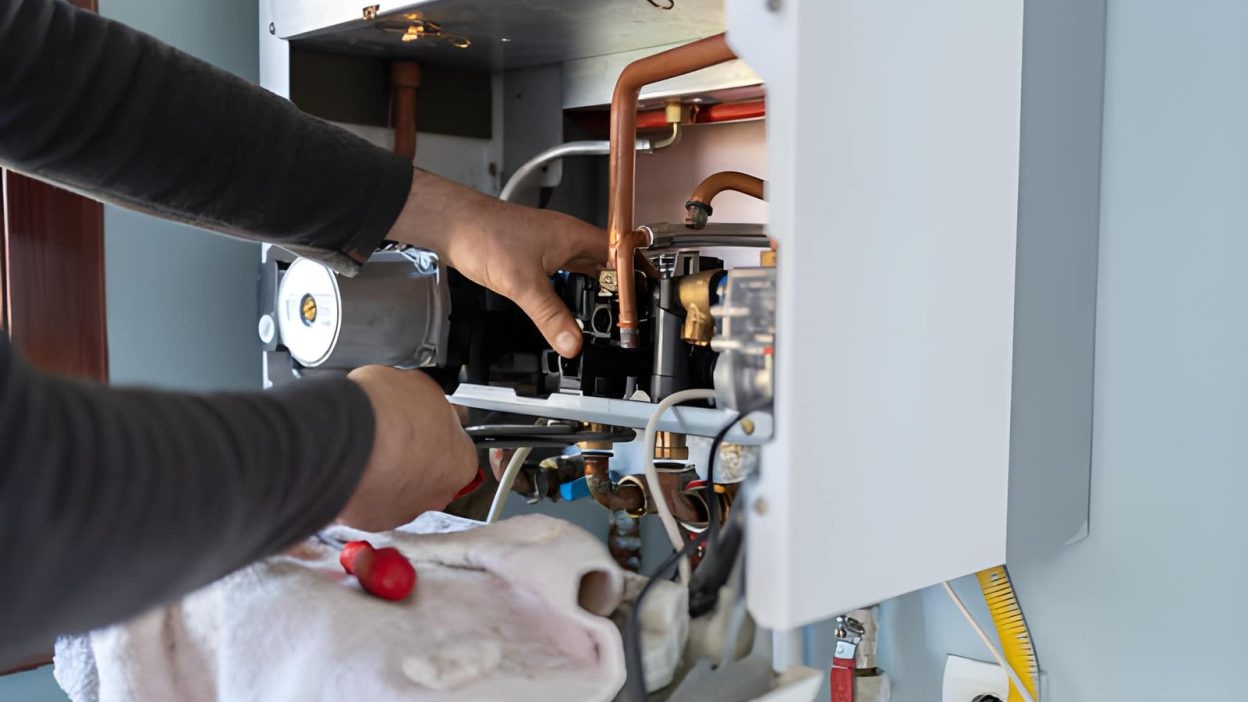
A licensed plumber can help evaluate whether your home’s plumbing setup and gas or electrical capacity is suitable for a tankless conversion, and provide an honest comparison of the upfront costs versus long-term savings.
If you are unsure whether your water heater needs maintenance, repair, or full replacement, consulting with a local plumbing professional is the most reliable way to get an accurate assessment before a minor issue becomes a major emergency.
Wrapping Up: Do Not Ignore What Your Water Heater Is Telling You
Final Thoughts
A popping, rumbling, or crackling water heater is not just an annoyance. It is a communication. Your tank is signaling that sediment has built up to a level that is affecting its performance and efficiency. Addressing the problem early through annual flushing and routine inspections is one of the simplest and most cost-effective ways to protect a major household appliance.
The earlier you respond to these warning sounds, the more options you have. A tank caught early in the sediment cycle can often be flushed and returned to full efficiency. A tank that has been ignored for years may already be too compromised to salvage, leaving replacement as the only practical path forward.
Whether your water heater needs a routine flush, a component repair, or a full upgrade to a tankless system, connecting with a qualified plumber in your area ensures that you get an accurate diagnosis and honest recommendations tailored to your home’s specific needs.
Frequently Asked Questions
1. Is a popping sound from my water heater dangerous?
In most cases, a popping sound is not immediately dangerous, but it should not be ignored. It typically signals sediment buildup, which reduces efficiency and can eventually lead to tank failure. If you also notice rust-colored water, moisture around the tank, or the unit is more than 10 years old, have it inspected promptly by a licensed plumber.
2. Can I flush my water heater myself, or do I need a plumber?
Many homeowners successfully flush their own tanks by following manufacturer instructions. However, if the drain valve is old, corroded, or has never been opened, there is a risk of it leaking or breaking. In those situations, having a professional handle the flush is the safer and more practical choice.
3. How often should I flush my water heater tank?
Most manufacturers and plumbing professionals recommend flushing the tank once a year. If your home has hard water, flushing every six months can help prevent rapid sediment accumulation and extend the life of the unit.
4. Will flushing my tank stop the popping noise?
In many cases, yes. If the noise is caused by sediment, a thorough flush will often reduce or eliminate it. However, if the sediment has hardened significantly or the tank has internal damage, the noise may persist even after flushing, which is a sign that replacement may be necessary.
5. At what age should I start considering replacing my water heater instead of repairing it?
Most tank water heaters have a practical lifespan of 8 to 12 years. If your unit is approaching or past the 10-year mark and is exhibiting symptoms like persistent noise, rust-colored water, inconsistent temperatures, or visible corrosion, replacement is often the more economical long-term decision compared to ongoing repairs.