
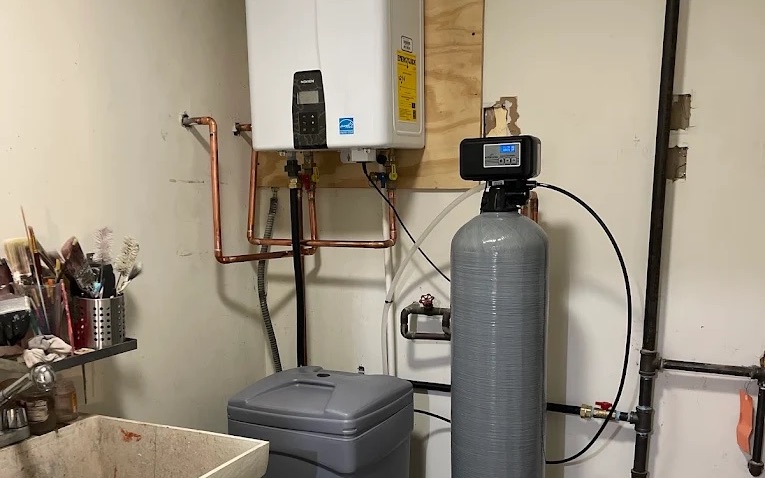
Most homeowners spend very little time thinking about the components that keep their water heater running safely. The tank itself gets the attention, but the smaller parts connected to it are equally important for the long-term health of your plumbing system. One of those components is the expansion tank, a small but critical device that protects your home from pressure-related damage. If you have not scheduled water heater expansion tank service recently, understanding what this part does and why it matters could save you from a very costly repair down the line. For homeowners in the San Jose, CA area, this type of maintenance is particularly important given the region’s closed plumbing systems and aging infrastructure in many neighborhoods.
What Is a Water Heater Expansion Tank and How Does It Protect Your Plumbing System?
When your water heater heats cold water, the water expands. In an open plumbing system, that expanded water used to flow back into the municipal supply line without issue. However, most modern homes now use closed plumbing systems, which include backflow prevention devices or pressure-reducing valves. These components block that reverse flow, meaning the expanded water has nowhere to go.
Without an expansion tank, this pressure buildup puts stress on your water heater, your pipes, and your fixtures. Over time, this can cause the pressure relief valve to discharge repeatedly, weaken pipe joints, or even damage the water heater tank itself.
An expansion tank is a small, sealed vessel connected to the cold water supply line near your water heater. Inside the tank, a rubber diaphragm separates two chambers: one filled with pressurized air and one that receives the expanding water. When heated water expands and pressure rises in the system, the water flows into the expansion tank’s water chamber, compressing the air side. Once demand drops and the system cools, that water flows back into the main system. This simple mechanism absorbs pressure fluctuations and keeps your plumbing system operating within safe limits.
According to the U.S. Department of Energy, water heating accounts for approximately 18% of home energy use, making the efficiency and safety of the entire water heating system a significant concern for homeowners. A malfunctioning expansion tank can reduce efficiency and put added wear on the entire system.
It is also worth noting that many local building codes now require expansion tanks in new construction or when replacing a water heater. The International Plumbing Code includes provisions for thermal expansion control, and many jurisdictions have adopted these requirements. If your home was built in the last decade or your water heater was recently replaced, there is a good chance an expansion tank was already installed. However, even if it was installed correctly, it still requires periodic inspection and maintenance.
Signs That Your Expansion Tank Needs Service or Replacement
Expansion tanks do not last forever. The rubber diaphragm inside can deteriorate, the air charge can weaken, and the tank itself can corrode. Most expansion tanks have a lifespan of around five to ten years, though this varies depending on water quality, water pressure, and how often the system cycles.
Here are the key warning signs that your expansion tank may need attention:
Banging or knocking sounds in your pipes. Water hammer, a banging noise that occurs when water flow suddenly stops or changes direction, can be a sign that the expansion tank is no longer absorbing pressure correctly. If the diaphragm has failed or the air charge is too low, the tank cannot cushion pressure spikes effectively.
The temperature and pressure (T&P) relief valve is frequently discharging. The T&P valve is a safety device designed to release water if pressure or temperature exceeds safe limits. If it is dripping or discharging regularly, it may be responding to chronic over-pressure in the system, which could point to a failing expansion tank.
Visible rust or corrosion on the tank. If you can see rust stains or corrosion around the connection point or on the tank body, the structural integrity of the tank may be compromised. A corroded tank should be inspected immediately by a licensed plumber.
The tank feels completely solid when tapped. A healthy expansion tank should feel partly hollow when you tap the lower half, because that chamber holds the expanded water. If it feels entirely solid throughout, the diaphragm may have failed and water has filled the entire tank. At that point, the tank is no longer functioning as a buffer.
Your water pressure seems unusually high. According to the Plumbing-Heating-Cooling Contractors Association (PHCC), residential water pressure should typically fall between 40 and 80 psi. If your pressure consistently reads above 80 psi, your expansion tank may not be adequately managing thermal expansion, or the tank may have failed altogether.
Age of the tank. If your expansion tank is approaching or has surpassed the ten-year mark, a professional inspection is a smart precaution even if no symptoms are visible. Internal diaphragm wear is not always obvious from the outside.
Benefits of Regular Maintenance and Professional Expansion Tank Inspection
Scheduling routine maintenance for your expansion tank offers several practical benefits beyond just preventing a burst pipe. Here is why consistent professional service makes sense for any homeowner with a water heating system.
Extends the Life of Your Water Heater
When an expansion tank is functioning properly, it reduces the stress placed on your water heater. Every time heated water expands and has no safe outlet, that pressure is absorbed by the weakest point in the system, often the water heater tank itself or the internal components. Reducing that stress through proper thermal expansion management can extend the operational life of your water heater by several years.
Prevents Damage to Plumbing Fixtures and Appliances
Repeated pressure spikes do not just affect the water heater. Fixtures, valves, dishwashers, washing machines, and refrigerators with water lines can all be damaged over time by chronic over-pressure. A well-maintained expansion tank protects every water-connected component in your home.
Keeps Your System Code Compliant
Local building codes and plumbing standards evolve. A professional plumber performing an expansion tank inspection can also verify that your system meets current local requirements. This matters especially if you plan to sell your home, as non-compliant plumbing can become a point of contention during a home inspection.
Catches Problems Before They Become Emergencies
One of the most practical arguments for scheduled maintenance is early detection. A plumber performing a routine expansion tank inspection can identify early-stage diaphragm failure, pressure imbalances, or corrosion before they escalate into larger problems. Emergency plumbing repairs are almost always more expensive than preventive service.
Professional Inspection Covers More Than Just the Tank
When a licensed plumber inspects your expansion tank, the visit typically includes checking the T&P relief valve, verifying system pressure, looking at pipe connections, and assessing the overall condition of the water heater. This broader look gives you a clearer picture of your plumbing health and can surface issues you might not notice on your own. The ENERGY STAR program also notes that proper water heater maintenance is among the most effective ways to manage household energy costs, making a professional visit worthwhile on multiple fronts.
How Often Should You Service Your Expansion Tank?
Most plumbing professionals recommend having your expansion tank inspected at least once every one to three years as part of a broader water heater maintenance schedule. Homes with hard water or consistently high pressure may need more frequent checks because both factors accelerate wear on the diaphragm and tank body.
If your home is on a well system rather than a municipal supply, your expansion tank may experience different pressure dynamics, and you should discuss an appropriate inspection interval with your plumber. When the tank is found to be failing or has exceeded its useful lifespan, replacement is generally straightforward and affordable compared to the repairs that a failed tank can cause.
Wrapping Up: Why Expansion Tank Service Should Be Part of Your Maintenance Routine
The expansion tank is one of those components that homeowners rarely think about until something goes wrong. But its role in managing pressure and protecting your plumbing system is significant. A properly functioning expansion tank reduces stress on your water heater, prevents damage to fixtures and appliances, helps keep your system code compliant, and contributes to overall energy efficiency.
For homeowners in San Jose, CA and surrounding areas, staying current on water heater expansion tank service is a straightforward way to protect a significant household investment. Whether your system is a few years old or approaching the end of its lifespan, a professional inspection can give you clarity on where things stand and what, if anything, needs attention.
If you are looking for qualified plumbers experienced in expansion tank service and water heater maintenance, you can find a local provider near you to schedule an inspection and get an accurate assessment of your system’s condition.
Preventive plumbing maintenance is not glamorous, but it is one of the most cost-effective things you can do as a homeowner. Taking care of the smaller components, like your expansion tank, goes a long way toward keeping the entire system running reliably for years to come.
Frequently Asked Questions
1. Do all homes need a water heater expansion tank?
Not necessarily, but most modern homes do. Homes connected to a closed plumbing system, which includes any system with a backflow preventer, pressure-reducing valve, or check valve, are required in many jurisdictions to have an expansion tank installed. If you are unsure whether your system is open or closed, a licensed plumber can assess your setup. Many areas now require expansion tanks as standard practice for any water heater installation, so it is worth checking your local building code.
2. How long does a water heater expansion tank last?
Most expansion tanks last between five and ten years, though this can vary depending on water quality, operating pressure, and how often the system cycles. Hard water accelerates mineral buildup and diaphragm deterioration, while consistently high water pressure puts more strain on the tank. Even if your tank appears fine from the outside, a professional inspection is the only reliable way to confirm it is still functioning correctly.
3. What happens if I do not replace a failing expansion tank?
A failing expansion tank can no longer absorb the pressure created when your water heater heats water. This leads to recurring pressure spikes that stress your water heater, pipes, and plumbing fixtures. Over time, this causes your T&P relief valve to discharge frequently, shortens the life of your water heater, and can damage appliances connected to your water supply. In severe cases, chronic over-pressure can contribute to pipe joint failures or water heater tank ruptures, both of which result in expensive repairs and potential water damage.
4. Can I check my expansion tank myself?
There are a few basic checks a homeowner can perform. Tapping the lower half of the tank should produce a hollow sound if the water chamber is operating correctly. If the entire tank sounds solid, the diaphragm may have failed. You can also check the Schrader valve on top of the tank to test the air pressure, which should match your home’s cold water supply pressure, typically between 40 and 80 psi. That said, a licensed plumber provides a more accurate picture of the tank’s internal condition and overall system health.
5. Is expansion tank service expensive?
No, expansion tank service is generally one of the more affordable plumbing maintenance tasks. A professional inspection is typically inexpensive, and if replacement is necessary, the cost of a new expansion tank and installation is modest compared to the potential cost of repairs caused by a failed tank. Investing in routine maintenance now is almost always less expensive than dealing with water damage, appliance failure, or emergency plumbing repairs later.