Homeowners dealing with a malfunctioning heating system often face a tough financial decision. When your boiler starts acting up in the middle of winter, the question of boiler repair or replacement becomes urgent and stressful. Whether you are in the middle of a cold snap or simply planning ahead, understanding what factors should guide your decision can save you significant money and frustration. If you are dealing with a heating emergency or recurring issues, consulting a professional boiler repair service is a smart first step before committing to either path.
This guide walks through the key considerations every homeowner should evaluate, from the age and efficiency of your current system to the true cost of ongoing repairs versus a full replacement.
When Boiler Repair Is a Practical and Cost-Effective Option
Not every boiler problem means you need to buy a new system. In many cases, a targeted repair is the most sensible and affordable solution, especially if the unit is relatively new and has been well maintained.
Your Boiler Is Less Than 10 Years Old
The average lifespan of a modern boiler is typically between 15 and 20 years, according to the U.S. Department of Energy. If your unit is under a decade old and this is the first significant issue you have encountered, a repair is almost always worth pursuing. The components are likely still under warranty in many cases, and replacement parts are easier to source.
The Repair Cost Is Below 50 Percent of Replacement Value
A widely used rule of thumb in the HVAC industry is the “50 percent rule.” If the cost to repair your boiler is less than half the cost of a new unit, repairing generally makes more financial sense. For example, if a new boiler costs $4,000 installed, and your repair quote is $1,200, the repair is likely the better short-term investment.
The Problem Is Isolated and Not Recurring
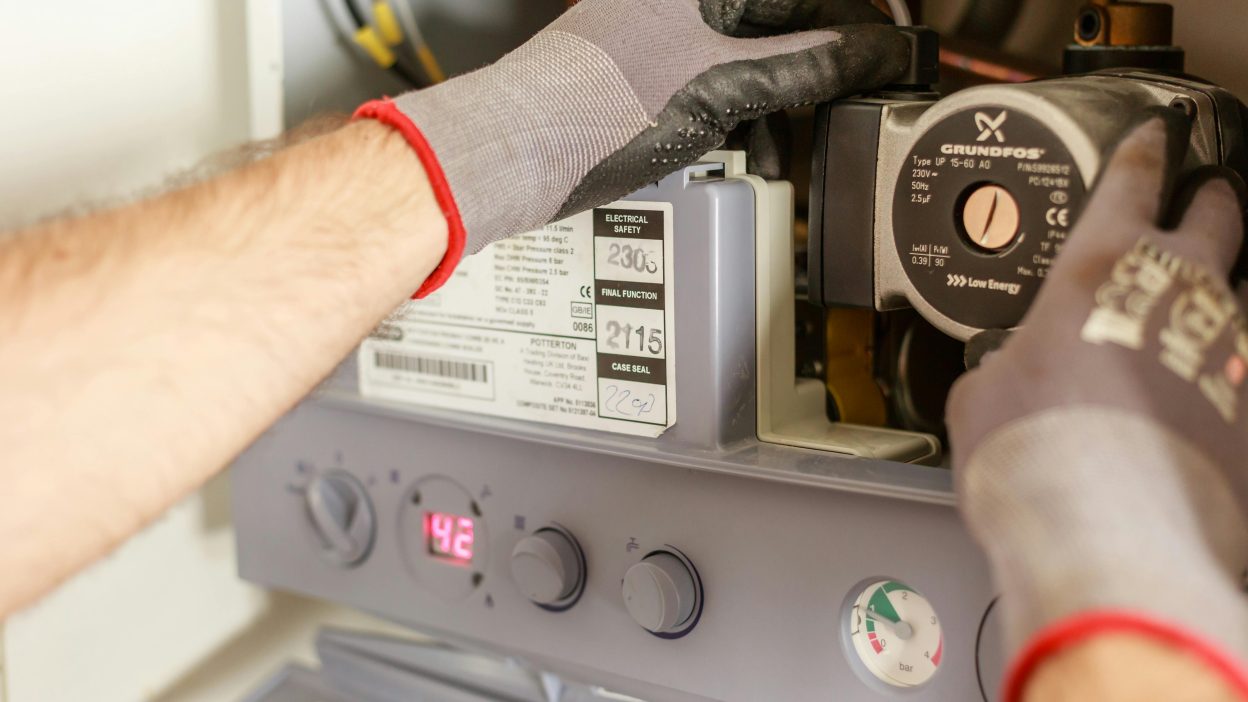
Some boiler issues are one-time occurrences caused by a faulty component, a pressure problem, or a minor leak. If your technician identifies a clear, isolated cause and assures you that the rest of the system is in good shape, a repair is perfectly reasonable. Issues like a failing thermocouple, a faulty pump, or a broken pressure relief valve are straightforward fixes that do not signal deeper systemic problems.
You Have Had the Boiler Serviced Regularly
Regular annual servicing extends the life of your boiler and reduces the likelihood of major failures. If your unit has a consistent service history, an unexpected repair is less worrying. A well-maintained boiler that develops a single fault is very different from a neglected one with years of built-up issues.
Signs Your Boiler May Need Replacement Instead of Repair
While repairs make sense in many situations, there are clear warning signs that indicate replacement is the smarter long-term choice.
The Boiler Is Over 15 Years Old
As boilers age, they lose efficiency and become more prone to breakdowns. A unit that is 15 years or older is nearing or past its typical service life. Even if it can be repaired today, you may find yourself calling a technician again in six months for a different issue. At this stage, investing in a modern, high-efficiency boiler is often the better decision.
Frequent Breakdowns in Recent Years
If you have had your boiler repaired two or more times in the past few years, that pattern is a warning sign. Recurring failures suggest that the system is deteriorating overall, and each repair is only a temporary fix. The cumulative cost of multiple service visits can quickly exceed the price of a new installation.
Rising Energy Bills Without Explanation
Older and failing boilers lose efficiency over time. If you have noticed your heating bills increasing without a corresponding rise in energy costs, your boiler may be working harder than it should to produce the same heat output. According to the Energy Saving Trust, upgrading to an A-rated condensing boiler can significantly reduce fuel consumption compared to older models.
Yellow or Orange Flame Instead of Blue
A healthy gas boiler burns with a crisp blue flame. If you notice a yellow or orange flame, this can indicate incomplete combustion and the potential release of carbon monoxide, a colorless and odorless gas that poses serious health risks. This is a safety issue that warrants immediate professional inspection and may point to a system that needs full replacement.
Unusual Noises Like Banging, Kettling, or Clunking
Strange noises from your boiler, particularly kettling (a rumbling sound caused by limescale buildup), banging, or clunking, can indicate serious internal damage. While some noise issues can be treated, persistent unusual sounds in an aging unit often signal that replacement is the more cost-effective and reliable solution.
Visible Corrosion or Persistent Leaks
Some leaks can be repaired, but corrosion on the heat exchanger or visible rust throughout the unit usually means the boiler is past its useful life. Once corrosion takes hold, it tends to spread, and patching individual areas becomes an endless and costly cycle.
Cost Comparison: Repairing vs. Replacing a Boiler
Understanding the financial picture is essential to making a sound decision. Here is a general breakdown of what homeowners can typically expect.
Average Repair Costs
Boiler repair costs vary widely depending on the nature of the problem and local labor rates. Common repairs and their approximate costs include:
- Thermostat replacement: $100 to $300
- Pump replacement: $250 to $500
- Pressure relief valve: $100 to $200
- Heat exchanger repair: $500 to $1,500
- Gas valve replacement: $300 to $600
For context, the HomeAdvisor cost guide estimates that the average boiler repair in the U.S. falls between $150 and $500 for minor to mid-range issues, with major repairs exceeding $1,000.
Average Replacement Costs
A new boiler installation typically costs between $3,500 and $8,000 in the United States, depending on the type of boiler (gas, oil, electric, or combi), the size of the home, and local installation rates. High-efficiency condensing boilers sit at the higher end of that range but offer long-term savings on fuel bills.
Long-Term Value of Replacement
While replacement carries a higher upfront cost, newer boilers operate at 90 percent or greater efficiency compared to older models that may run at 70 percent or less. Over time, the monthly savings on energy bills can offset a significant portion of the installation cost. Many homeowners also benefit from tax credits or rebates when installing high-efficiency heating systems, which can further reduce the net cost.
The True Cost of Delaying Replacement
Putting off a necessary replacement might seem like a way to save money, but it can cost more in the long run. Emergency call-out fees, repeated repairs, and higher energy bills all add up. If your system fails completely during a cold period, you may also face higher costs for expedited installation.
Making the Final Decision
The repair-versus-replace decision ultimately comes down to three core factors: the age of your boiler, the cost of the required repair, and the overall condition of the system. A licensed heating professional can assess your unit objectively and provide you with a clear picture of what makes the most financial sense.
Before committing to either option, get at least two quotes. Ask your technician to walk you through the projected lifespan of your current boiler if repaired, and compare that to the long-term efficiency gains of a new system.
If you are located in the area and want to speak with a knowledgeable local team, you can find trusted heating professionals here to help guide your decision.
Final Thoughts on Boiler Repair vs. Replacement
There is no universal answer to whether repairing or replacing a boiler is the right move. Both options have their place depending on the circumstances. A newer boiler with an isolated fault is almost always worth repairing. An aging, inefficient system with a history of breakdowns is usually better replaced. By weighing repair costs against system age, energy efficiency, and the risk of further failure, homeowners can make a confident, informed decision that protects both their comfort and their budget.
Taking the time to consult a qualified technician, review your energy bills, and understand the true cost of each option will ensure that you are not simply delaying the inevitable or spending money unnecessarily.
Frequently Asked Questions
1. How do I know if my boiler is worth repairing?
If your boiler is less than 10 to 12 years old, has been regularly serviced, and the repair cost is less than 50 percent of the replacement cost, it is generally worth repairing. A professional inspection can give you a clearer picture of the overall system condition.
2. What is the average lifespan of a residential boiler?
Most modern boilers last between 15 and 20 years with proper maintenance. Older or poorly maintained units may fail earlier. Once a boiler passes the 15-year mark, replacement becomes an increasingly worthwhile consideration.
3. Are there any energy-saving benefits to replacing an old boiler?
Yes. Modern condensing boilers operate at efficiencies of 90 percent or higher, compared to older models that may only reach 60 to 70 percent. This improvement can translate into noticeable reductions in monthly heating bills, especially in colder climates with high heating demands.
4. Is it safe to keep using a boiler that makes strange noises?
Not always. Some noises, like minor gurgling, may be harmless, but loud banging, kettling, or clunking sounds can indicate serious internal issues. A yellow or orange flame is a more urgent concern related to potential carbon monoxide production and should prompt an immediate professional inspection.
5. Can I get financial assistance or rebates for replacing my boiler?
In many cases, yes. Federal tax credits are available in the United States for certain high-efficiency heating systems through programs like the Inflation Reduction Act. Many utility companies also offer rebates for upgrading to energy-efficient equipment. Check with your local utility provider or visit EnergyStar.gov for the latest information on available incentives.
6. How often should a boiler be serviced to extend its lifespan?
Boilers should be serviced at least once per year by a qualified heating technician. Annual servicing keeps the unit running efficiently, helps catch small problems before they become major repairs, and is often required to maintain a manufacturer’s warranty.