
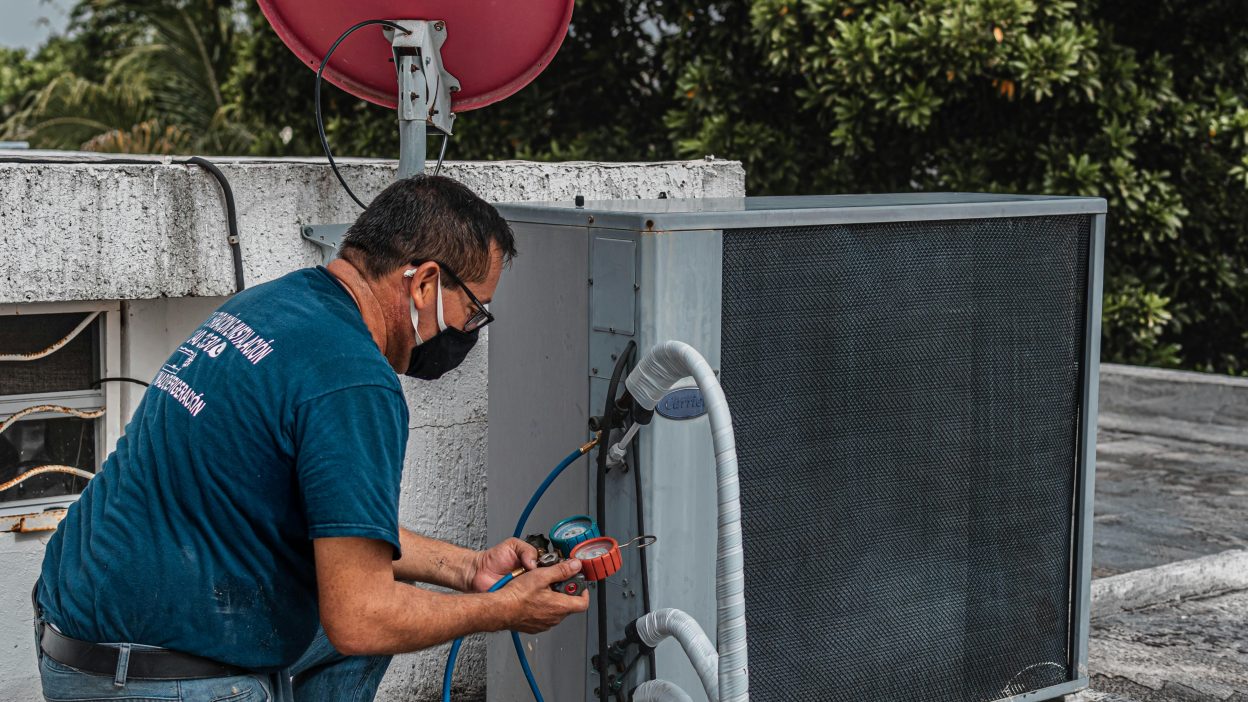
If you live in the Cincinnati area, you have probably heard conflicting opinions about heat pumps. Some neighbors swear by them, while others insist they are only suitable for Florida or Arizona. The truth is that modern heat pump technology has evolved dramatically, and cold-climate models are now perfectly capable of handling Ohio Valley winters. Before you dismiss heat pumps as a warm-weather-only solution, it is worth understanding how today’s systems perform in freezing temperatures and whether options like heat pump replacement with dual-fuel capabilities might be the right fit for your home.
Understanding Modern Cold-Climate Heat Pumps
Heat pumps work by transferring heat rather than generating it through combustion. In heating mode, they extract heat from outdoor air and move it inside. The concern many Cincinnati homeowners have is simple: how can a heat pump pull heat from freezing air?
Older heat pump models struggled once temperatures dropped below 40°F, requiring expensive electric resistance backup heat to maintain comfort. However, modern cold-climate heat pumps use advanced compressor technology and enhanced refrigerants that allow them to operate efficiently even when outdoor temperatures plummet.
Performance Down to -13°F
Today’s top-tier cold-climate heat pumps are rated to provide full heating capacity down to 5°F and can continue operating down to -13°F or lower. According to the U.S. Department of Energy, these advanced systems can deliver one and a half to three times more heat energy than the electrical energy they consume, even in cold weather.
For Cincinnati, where winter temperatures typically range from the low 20s to mid-30s, modern heat pumps can handle the vast majority of winter days without assistance. The key is selecting a system specifically designed for cold climates.
What Is a Balance Point?
The balance point is a critical concept when evaluating whether a heat pump will work well in your Cincinnati home. This is the outdoor temperature at which your home’s heat loss equals the heat pump’s output capacity. Above this temperature, the heat pump alone maintains your desired indoor temperature. Below it, supplemental heat is needed.
For a properly sized cold-climate heat pump in a well-insulated Cincinnati home, the balance point might be around 25°F to 30°F. This means that on most winter days, the heat pump handles all your heating needs. The balance point varies based on your home’s insulation, air sealing, and the specific heat pump model you choose.
Dual-Fuel Systems: The Best of Both Worlds
While modern heat pumps can technically heat your home in any Cincinnati winter, many homeowners choose a dual-fuel setup that pairs a heat pump with a gas furnace. This configuration offers compelling advantages that address both efficiency and reliability concerns.
How Dual-Fuel Systems Work
A dual-fuel system uses the heat pump as the primary heating source during mild and moderate weather. The system automatically switches to the gas furnace when outdoor temperatures drop below a predetermined setpoint, typically between 25°F and 35°F. The transition happens automatically with no action required from you.
Efficiency and Peace of Mind
Heat pumps are most efficient when the temperature difference between indoors and outdoors is smaller. According to ENERGY STAR, heat pumps can reduce electricity use for heating by approximately 50% compared to electric resistance heating.
A dual-fuel system gives you automatic optimization. You get the environmental benefits and lower operating costs of a heat pump during milder weather, plus the reassurance that your furnace will take over during the coldest days.
If your Cincinnati home already has a gas furnace and central air conditioning, converting to a dual-fuel system is often straightforward. The existing furnace remains in place, and the outdoor unit is replaced with a heat pump. Your thermostat is upgraded to a dual-fuel model that controls both systems.
Real-World Operating Cost Comparison in Cincinnati
Understanding the theoretical benefits of different systems is helpful, but Cincinnati homeowners want to know what these choices mean for their monthly utility bills.
All-Electric Heat Pump System
An all-electric heat pump system replaces both your furnace and air conditioner with a single unit. For a typical 2,000-square-foot Cincinnati home with good insulation, an all-electric heat pump might consume approximately 6,000 to 8,000 kWh during the heating season. At Cincinnati’s average electricity rate of around $0.13 per kWh, that translates to roughly $780 to $1,040 for winter heating.
Dual-Fuel Setup
A dual-fuel system typically uses the heat pump for approximately 70-80% of the heating season in Cincinnati’s climate. For the same 2,000-square-foot home, this might use 4,000 to 5,500 kWh of electricity, costing approximately $520 to $715. For the coldest periods, the gas furnace might consume 400 to 600 therms at roughly $1.00 per therm, adding $400 to $600.
Total winter heating cost for a dual-fuel system: approximately $920 to $1,315, often comparable to or slightly lower than an all-electric heat pump, with the advantage of having gas backup.
Traditional Furnace and Air Conditioner
A standard natural gas furnace heating a 2,000-square-foot Cincinnati home might consume 800 to 1,100 therms per heating season, costing $800 to $1,100. When you add summer air conditioning costs (approximately $250 to $400), your annual heating and cooling cost totals roughly $1,050 to $1,500.
The Financial Picture
When comparing these systems, consider both operating costs and equipment costs. Many Cincinnati homeowners find that a dual-fuel system offers the best balance of efficiency, comfort, and reliability. You get significant energy savings during most of the heating season while maintaining proven gas heating performance when temperatures drop into the teens or below.
Why Cincinnati Homeowners Are Reconsidering Heat Pumps
Several factors are driving renewed interest in heat pump technology among Ohio Valley residents. Federal tax credits through the Inflation Reduction Act now provide up to $2,000 in credits for heat pump installations. Additionally, manufacturers have made substantial improvements in cold-weather performance over the past five years.
The Air Conditioning, Heating, and Refrigeration Institute maintains rigorous testing standards, and modern cold-climate heat pumps consistently demonstrate their ability to maintain efficiency in below-freezing conditions. Heat pumps also produce fewer carbon emissions than combustion-based heating systems, offering a practical way to reduce environmental impact without sacrificing comfort.
Making the Right Choice for Your Home
Deciding whether a heat pump, dual-fuel system, or traditional heating configuration is right for your Cincinnati home depends on several factors including your existing equipment, home insulation, budget, and personal priorities.
If you currently have aging equipment that needs replacement, exploring heat pump options makes excellent sense. For homes with newer gas furnaces but aging air conditioners, a dual-fuel conversion can be an ideal middle ground.
Homes without existing gas service might find all-electric heat pumps particularly attractive, as they eliminate the need for a gas line connection and monthly service charges. Modern cold-climate models can serve as a sole heat source in Cincinnati.
Working with an experienced HVAC professional who can perform a detailed load calculation is essential. Proper sizing, installation quality, and equipment selection all significantly impact real-world performance and operating costs.
If you are located in the greater Cincinnati area and want to discuss whether heat pump replacement makes sense for your home, consulting with local experts familiar with Ohio Valley weather patterns will help you make an informed decision.
Wrapping Up
Heat pumps are no longer just for warm climates. Modern cold-climate technology has eliminated the performance concerns that made heat pumps impractical for Cincinnati winters in the past. Whether you choose an all-electric heat pump system or a dual-fuel setup that pairs a heat pump with your existing gas furnace, today’s options deliver reliable comfort while reducing energy consumption during most of the heating season.
The key to success is selecting equipment specifically rated for cold-weather operation, ensuring proper sizing for your home’s heating load, and working with qualified installers who understand the nuances of heat pump installation. With the right system properly installed, Cincinnati homeowners can enjoy efficient, comfortable heating even when Ohio Valley temperatures drop well below freezing.
Frequently Asked Questions
Will a heat pump keep my Cincinnati home warm during a polar vortex?
Modern cold-climate heat pumps can operate in extremely cold temperatures, typically down to -13°F or lower. However, their efficiency decreases as temperatures drop. This is why many Cincinnati homeowners choose dual-fuel systems that automatically switch to gas furnace backup during the coldest weather. With a properly sized system or appropriate backup heat, your home will stay warm even during the most extreme winter events.
How much does it cost to install a heat pump in Cincinnati?
Installation costs vary widely based on your home’s size, the specific equipment selected, and whether you are adding a heat pump to an existing furnace (dual-fuel) or replacing your entire heating system. Generally, expect to invest between $8,000 and $15,000 for a complete heat pump installation. Dual-fuel systems may cost slightly more due to the integration work required. Federal tax credits of up to $2,000 can help offset these costs for qualifying systems.
Do heat pumps use a lot of electricity?
Heat pumps use electricity, but they are highly efficient because they move heat rather than generating it through resistance heating. A heat pump typically delivers 2 to 3 times more heat energy than the electrical energy it consumes. While your electricity usage will increase compared to gas heating, your overall energy costs are often comparable or lower, especially during mild to moderate weather. Exact costs depend on your home, local utility rates, and the system configuration you choose.
Can I install a heat pump if I do not have ductwork?
Yes. Ductless mini-split heat pumps are an excellent option for homes without existing ductwork. These systems use small indoor units mounted on walls in individual rooms or zones, connected to an outdoor unit via refrigerant lines. Ductless systems are particularly popular for home additions, converted garages, or older homes where installing ductwork would be impractical. They offer the same heating and cooling benefits as ducted systems with the added advantage of zone control.
How long do heat pumps last?
A well-maintained heat pump typically lasts 15 to 20 years, similar to a traditional air conditioning system. Regular maintenance, including annual professional service and regular filter changes, can help maximize your system’s lifespan. Because heat pumps provide both heating and cooling, they run year-round, which is why proper maintenance is particularly important. Many manufacturers offer 10-year warranties on key components, providing additional peace of mind about your investment.