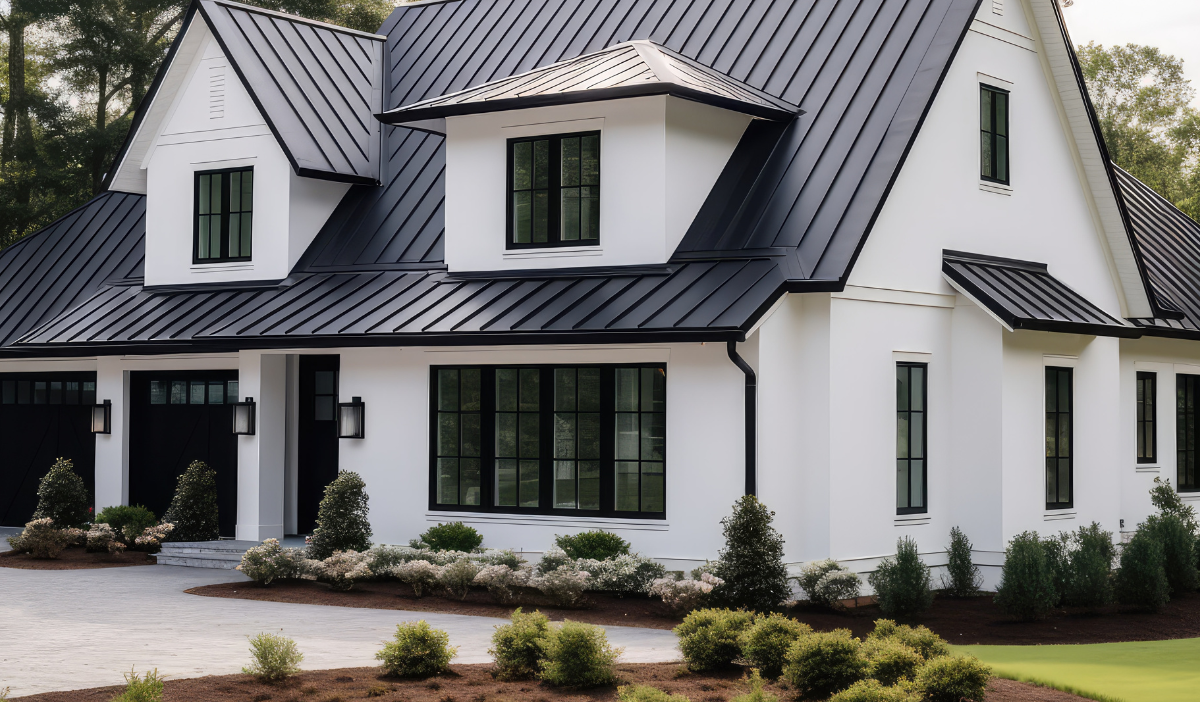
When homeowners begin exploring roofing upgrades, metal roofing frequently rises to the top of the list. It is durable, energy-efficient, and visually appealing. But before committing to this investment, it is worth understanding the most common problems with metal roofs so you can make a fully informed decision. Whether you are dealing with an aging asphalt roof or simply planning ahead, knowing the potential downsides helps you evaluate whether metal roofing is the right fit for your home. This guide covers the key issues homeowners face, what causes them, and how proper installation and care can prevent most of them.
Why Metal Roofing Is Popular but Not Perfect
Metal roofing has surged in popularity over the past decade. According to the Metal Roofing Alliance, metal roofs can last 40 to 70 years compared to 15 to 20 years for traditional asphalt shingles. They are also highly resistant to fire, mildew, and wind.
However, no roofing material is entirely without drawbacks. Understanding the specific challenges of metal roofing allows homeowners to plan proactively, choose the right product, and work with qualified professionals who can minimize those risks from the start.
Common Problems with Metal Roofs
1. Noise During Rain and Hail
One of the most frequently cited concerns is noise. Metal roofs can be significantly louder than asphalt shingles during heavy rain or hail storms. The sound of rain drumming on a metal surface can be disruptive, especially in bedrooms or living areas directly beneath the roof.
The good news is that noise is largely preventable. When metal roofing is installed over solid sheathing or with adequate insulation, the sound is dramatically reduced. Open framing or skip sheathing without insulation beneath is typically what leads to excessive noise. If noise is a concern, discussing insulation and underlayment options with your roofing contractor before installation begins makes a substantial difference.
2. Thermal Expansion and Contraction
Metal naturally expands when it heats up and contracts when temperatures drop. Over time, repeated cycles of expansion and contraction can cause panels to loosen, fasteners to back out, and seams to open up slightly. This movement is completely normal for metal materials but must be accounted for during installation.
Manufacturers of metal roofing systems design their panels and fastening systems to accommodate this movement. Concealed clip fastening systems, for example, allow panels to shift slightly without creating stress points. Roofing contractors who are not familiar with metal systems may use the wrong fasteners or install panels too rigidly, which accelerates wear and increases the risk of water infiltration.
According to The Spruce, choosing a system with floating clips and following manufacturer specifications for fastener placement goes a long way toward preventing expansion-related problems.
3. Denting
While metal roofs are highly resistant to damage from wind-driven debris and standard weather, they are not immune to denting. Aluminum and copper panels are softer than steel and more vulnerable to dents from large hail or falling branches. Steel panels with heavier gauges are generally more resistant, but even these can show marks from severe hailstorms.
The likelihood of visible denting depends on the metal type, the gauge (thickness) of the material, and the panel profile. Thicker panels and standing seam styles tend to hold up better than thinner corrugated options. If you live in an area prone to large hail, discussing gauge options and impact resistance ratings with your contractor before making a final product selection is worthwhile.
4. Oil Canning
Oil canning is a visual phenomenon that causes metal panels to appear wavy or slightly rippled when viewed in certain lighting conditions. It is an aesthetic concern rather than a structural one, but it can be surprising for homeowners who were not expecting it.
Oil canning typically occurs due to stress in the metal during manufacturing or installation, improper storage of panels, or inadequate room for thermal movement. Choosing a panel with a matte finish, adding striations or ribs to the panel surface, or selecting a heavier gauge metal can all reduce the visibility of oil canning. It is considered a standard characteristic of light-gauge metal and is generally not a warranty issue.
5. Rust and Corrosion
Modern metal roofing is coated to resist corrosion, but certain conditions can compromise that protective layer. Scratches, cut edges, and contact points between dissimilar metals are all potential entry points for rust.
Galvanic corrosion can occur when two different metals touch and moisture is present. This reaction gradually degrades the metals at the contact point. Proper installation means using compatible fasteners, flashings, and accessories that match the roofing material. Selecting a Galvalume or galvanized steel product with a quality coating, and keeping the roof free of debris that traps moisture, significantly reduces corrosion risk.
6. Improper Installation Leading to Leaks
Perhaps the most significant problem homeowners experience with metal roofs is not inherent to the material itself but rather the result of poor installation. Metal roofing systems have specific requirements around flashing at penetrations, valleys, eaves, and ridges. Incorrectly sealed seams, missing or improperly applied underlayments, and inadequate flashing around chimneys, skylights, and vents are common sources of leaks.
Because metal roofing requires specialized knowledge compared to asphalt shingles, it is important to work with contractors who have documented experience with the specific system being installed. Asking for references from previous metal roofing projects and verifying manufacturer certifications can help homeowners avoid costly mistakes.
7. Walking Damage
Metal roofs can be slippery and are vulnerable to dents or scratched coatings if walked on improperly. Homeowners or general contractors unfamiliar with metal panels may unintentionally damage the surface or compromise the fastening system. If maintenance or inspection work is needed, using walkboards or working with a contractor familiar with metal roofing access protocols prevents unnecessary damage.
How Installation Quality Affects Metal Roof Performance
The quality of installation is the single largest factor in determining how a metal roof performs over its lifetime. A well-made metal panel installed incorrectly will underperform compared to a standard panel installed by a skilled professional.
Key installation factors that affect performance include:
Underlayment selection: Synthetic underlayments are preferred over traditional felt for metal applications because they are more dimensionally stable and less likely to wrinkle, which can cause visible rippling through thinner panels.
Fastener type and placement: Exposed fastener systems require washered screws that create a watertight seal at each penetration point. Overtightening or undertightening those screws compromises the seal. Concealed fastener systems eliminate this risk entirely by hiding all fasteners beneath the panel surface.
Flashing and sealant work: Every penetration, transition, and edge on a metal roof needs to be properly flashed and sealed. Flashing is one of the most common failure points on any roof, and metal is no exception.
Panel alignment and spacing: Panels installed without adequate spacing for thermal movement create long-term stress points that lead to fastener back-out and surface damage over time.
Tips to Prevent or Minimize Metal Roofing Issues
Taking a proactive approach to metal roofing goes a long way toward preventing the issues described above. Here are practical steps to protect your investment:
Choose the right product for your climate. In coastal areas with salt air, Galvalume or aluminum performs better than bare steel. In hail-prone regions, opt for thicker gauges or impact-rated panels. Match the product to the conditions your home will face.
Work with a qualified installer. Look for contractors certified by the product manufacturer. These certifications indicate product-specific training and eligibility for extended installation warranties.
Inspect the roof annually. A visual inspection once or twice a year, especially after major storms, helps catch small issues like loose fasteners or damaged sealants before they escalate. Keeping gutters clean and ensuring water drains away from roof edges also matters.
Avoid incompatible materials. When making repairs or adding components, ensure that all new materials are compatible with your existing metal roofing system. Using incorrect fasteners or flashing materials can introduce galvanic corrosion.
Address issues promptly. If you notice a scratch in the coating, a lifted panel, or water staining on interior ceilings, address it quickly. Small repairs are far less costly than extensive water damage.
Final Thoughts on Metal Roof Challenges
Metal roofing remains one of the most durable and long-lasting roofing options available to homeowners. The problems associated with metal roofs are real but, in most cases, are either preventable through proper product selection and professional installation or manageable with routine maintenance. Noise, expansion, denting, oil canning, and corrosion are all well-understood characteristics that experienced contractors know how to address.
Understanding what causes these issues puts you in a stronger position to ask the right questions, evaluate contractor qualifications, and set realistic expectations. A metal roof that is correctly installed and properly maintained is unlikely to present serious problems for decades.
For homeowners researching local options, reading reviews of metal roofing contractors near you can provide helpful insight into real-world installation quality and customer experience in your area.
Frequently Asked Questions About Problems with Metal Roofs
Q1: What is the most common problem with metal roofs?
The most common problem is poor installation rather than a flaw in the material itself. Issues like leaks, loose panels, and premature corrosion are most often traced to incorrect fastener placement, inadequate flashing, or incompatible materials used during installation.
Q2: Do metal roofs get louder over time?
Not necessarily. A properly installed metal roof with insulation and solid sheathing should maintain a consistent sound level. However, if fasteners loosen due to thermal expansion, you may begin to notice popping or creaking sounds. Annual inspections can catch these issues early.
Q3: Can metal roofs be dented by hail?
Yes, particularly thinner gauges of aluminum or copper. However, steel panels at a heavier gauge offer significantly better hail resistance. Homeowners in hail-prone areas should ask about Class 4 impact resistance ratings, which indicate the highest level of impact resistance available for roofing products.
Q4: How long do metal roofs typically last?
Metal roofs are designed to last between 40 and 70 years depending on the material, gauge, coating quality, and installation quality. Steel and aluminum systems commonly carry 30 to 50 year manufacturer warranties, and many roofs outlast those warranties with proper maintenance.
Q5: Is oil canning a defect in metal roofing?
No. Oil canning is a recognized and accepted characteristic of light-gauge metal products and is not considered a structural defect. It does not affect performance or durability. If the appearance concerns you, selecting a heavier gauge, a matte finish, or a panel with added ribs or striations can reduce its visibility.
Q6: How can I tell if my metal roof was installed correctly?
Signs of a well-installed metal roof include consistent panel alignment, no visible buckling beyond normal oil canning, properly sealed flashings at all transitions and penetrations, and no water staining on interior ceilings after rain. If you have concerns, a third-party roofing inspection provides an objective assessment.