When homeowners and property managers want a lush, green lawn without waiting months for grass seed to take root, sod installation services offer one of the most reliable and efficient solutions available. Whether you are dealing with patchy grass, bare soil after construction, or simply want to improve your property’s curb appeal, sod installation can transform an ordinary yard into a vibrant outdoor space in a matter of days. Understanding what sod installation involves, what it costs, and how professional installation differs from a do-it-yourself approach will help you make an informed decision for your lawn. This guide breaks down everything you need to know so you can move forward with confidence.
What Is Sod Installation and Why Is It Better Than Seeding?
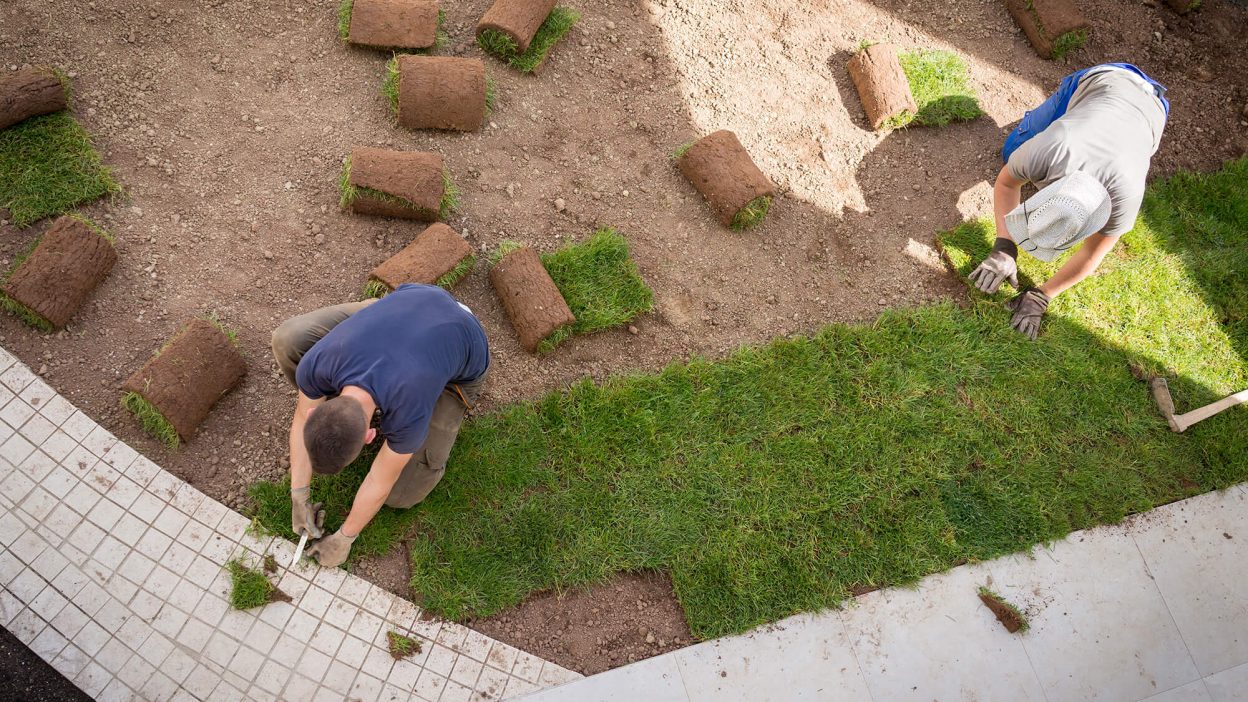
Sod installation is the process of laying pre-grown grass, which comes in rolled or cut sections complete with soil and root systems already established. Unlike grass seed, which requires weeks or months of germination, watering, and careful management before a lawn becomes usable, sod provides near-instant results that homeowners can see and enjoy almost immediately. The rolls of grass are harvested from sod farms where they have been cultivated under ideal growing conditions, ensuring uniform density and a healthy root structure before they ever reach your yard. This makes sod an especially appealing option for residential and commercial properties that need a finished lawn appearance on a defined timeline.
One of the most significant advantages of sod over seeding is erosion control. Freshly seeded soil is highly vulnerable to washout during heavy rain events, which can undo weeks of preparation and leave uneven, bare patches across the yard. Sod anchors immediately upon installation because the established root mat holds the soil in place from day one, making it the preferred choice for sloped properties, newly graded areas, or regions with unpredictable weather. Additionally, sod suppresses weed growth more effectively than seeding, because the dense grass coverage leaves little room for weeds to establish themselves. For property owners who want reliable, fast, and low-risk results, sod consistently outperforms seeding in nearly every measurable way.
Seeding does have its place, particularly for large areas where budget is the primary concern and there is no urgency for an established lawn. However, seeding requires significantly more attention during the germination phase, including strict watering schedules, protection from foot traffic, and sometimes reseeding bare spots that fail to germinate. Sod, by contrast, is resilient once installed and typically requires only consistent watering for the first few weeks as the roots knit into the underlying soil. For most homeowners and property managers who value their time and want predictable results, sod installation is simply the smarter investment.
Typical Costs of Sod Installation and Factors That Influence Pricing
The cost of sod installation varies widely depending on several factors, but homeowners can generally expect to pay between $1.00 and $2.00 per square foot for the sod material itself, with installation labor adding another $0.50 to $1.50 per square foot depending on the complexity of the project. For a standard 2,000-square-foot lawn, total project costs commonly range from $3,000 to $7,000 when all factors are considered. The University of Minnesota Extension notes that sod pricing can fluctuate based on grass variety, regional market conditions, and the time of year, so it is always advisable to get multiple quotes from local professionals before committing to a project.
Several key variables affect the final price of a sod installation project. The type of grass selected plays a major role, as premium varieties such as Zoysia, Bermuda, or St. Augustine sod cost more per square foot than common warm-season or cool-season blends. Warm-season grasses tend to be more drought-tolerant and are generally recommended for southern climates, while cool-season grasses like Kentucky Bluegrass and Tall Fescue are better suited to northern regions where temperatures dip significantly in winter. Choosing the right grass type for your local climate is essential for long-term lawn health and can also influence the overall cost of the installation.
Site preparation is another significant cost factor that homeowners sometimes overlook when budgeting for sod. Before new sod can be laid, the existing lawn may need to be removed, the soil graded, and amendments added to improve drainage and fertility. Removing old grass through sod cutting equipment, tilling compacted soil, and adding a layer of quality topsoil or compost can add $500 to $2,500 or more to the project total depending on the condition of the existing yard. Properties with significant grading issues, drainage problems, or heavily compacted clay soils will typically require more preparation work, which adds to both labor time and overall cost. Addressing these issues upfront, however, is critical for ensuring that new sod establishes properly and thrives long-term.
Finally, the size and accessibility of the area being sodded directly influence labor costs. Large, open areas with straightforward layouts are more cost-effective to install than smaller yards with multiple obstacles, tight corners, landscaping beds, or limited equipment access. Properties located in areas where sod must be hand-carried to reach backyard spaces or where the terrain is steep will also incur higher labor charges. Discussing the specific details of your property with a professional contractor during the quoting process will help ensure that all potential cost factors are identified before the project begins.
How Professional Sod Installation Ensures Even Growth, Soil Health, and Long-Lasting Results
While some homeowners attempt to lay sod on their own, professional sod installation offers distinct advantages that are difficult to replicate without experience, equipment, and technical knowledge. One of the most important aspects of a successful sod installation is proper soil preparation, which involves testing the soil’s pH and nutrient levels, amending deficiencies with fertilizer or lime, and ensuring the ground is properly graded to promote drainage and prevent standing water. According to the Turfgrass Science Program at Penn State University, improper soil preparation is one of the leading causes of sod failure, making this step arguably the most critical part of the entire process. Professional installers bring the tools and expertise needed to assess and address soil conditions before a single piece of sod is laid.
Even installation technique matters more than most homeowners realize. Experienced landscapers know how to offset sod seams in a staggered brick-like pattern to prevent visible lines from forming as the lawn establishes. They also ensure that sod edges are butted tightly together without overlapping, which prevents gaps from developing as the roots settle and the grass begins to grow. In areas around curves, landscape beds, or irregular property lines, professional crews use sharp cutting tools to fit sod precisely, creating a clean and finished appearance. These details, which are easy to overlook during a DIY installation, make a significant difference in how uniform and healthy the lawn looks after establishment.
Post-installation care is another area where professional guidance proves invaluable. After sod is laid, it requires consistent and carefully managed watering to encourage the roots to penetrate the underlying soil, a process that typically takes two to four weeks depending on the grass variety and weather conditions. Watering too little causes the sod to dry out and die before rooting, while watering too much can promote fungal disease or prevent proper rooting by keeping the soil waterlogged. Professionals not only advise homeowners on the appropriate watering schedule based on the specific grass type and local climate, but many also offer follow-up services to assess rooting progress and address any problem areas before they become larger issues.
Long-term lawn health also benefits from professional installation in ways that may not be immediately visible. When sod is installed by experienced professionals who have properly prepared the soil, selected the appropriate grass variety, and ensured even coverage across the entire property, the resulting lawn is more resistant to drought stress, pest pressure, and seasonal temperature extremes. A professionally installed lawn typically requires less corrective maintenance over its lifespan because the foundation was laid correctly from the start. For homeowners and property managers looking to protect their investment and avoid costly repairs down the road, professional sod installation is the approach that consistently delivers the best long-term value.
Making the Right Choice for Your Property
Investing in new sod is one of the most impactful landscaping decisions a homeowner or property manager can make. The combination of immediate visual transformation, improved soil stability, reduced weed pressure, and long-term lawn health makes sod installation a compelling choice for properties at virtually any stage of development. Understanding the full scope of the process, from soil preparation and grass variety selection to installation technique and post-care management, is essential for setting realistic expectations and achieving lasting results.
The cost of sod installation reflects not just the material but the expertise, preparation, and attention to detail that go into creating a lawn that will thrive for years to come. By working with qualified professionals who understand the nuances of soil science, grass selection, and installation best practices, homeowners can avoid the most common pitfalls associated with DIY lawn establishment and enjoy a finished product that adds genuine value to their property.
Wrapping It All Up
Sod installation is one of the most effective and time-efficient ways to establish a healthy, beautiful lawn, and understanding the costs and process involved empowers property owners to make smart, confident decisions. From the advantages of sod over traditional seeding to the factors that influence pricing and the benefits of professional installation, every element of this guide is designed to help you evaluate your options with clarity. Whether your project involves a small residential yard or a large commercial property, connecting with a trusted local provider will ensure that your lawn gets the professional care it deserves. You can explore local professional services and read verified customer feedback by visiting this lawn care provider on Google Maps to learn more about what experienced professionals in your area can offer.
Frequently Asked Questions About Sod Installation
1. How long does it take for newly installed sod to fully establish?
Most types of sod will begin rooting into the underlying soil within one to two weeks after installation, but full establishment, meaning the roots have thoroughly knit into the ground and the lawn can handle normal foot traffic and mowing, typically takes four to six weeks. Cool-season grasses may establish more quickly in mild temperatures, while warm-season grasses often root faster during the warmer months. During the establishment period, it is important to limit foot traffic on the new sod and follow a consistent watering schedule to support healthy root development. Your installer should provide specific guidance based on the grass variety and local climate conditions.
2. What is the best time of year to install sod?
The best time to install sod depends largely on the type of grass being planted and the local climate. Warm-season grasses such as Bermuda, Zoysia, and St. Augustine establish most successfully when installed during late spring or early summer, when temperatures are warm and growing conditions are ideal. Cool-season grasses like Kentucky Bluegrass and Tall Fescue are best installed in early fall or early spring when temperatures are mild and moisture levels are more consistent. While sod can technically be installed at other times of year, extreme heat, cold, or drought conditions make establishment more challenging and may increase the risk of sod failure.
3. Do I need to water my new sod every day?
During the first one to two weeks after installation, new sod typically needs to be watered one to two times per day to keep the sod and the top few inches of soil consistently moist. The goal is to prevent the sod from drying out before the roots have had a chance to penetrate the underlying soil. After the sod begins to root, usually indicated when you can no longer easily lift a corner of the sod, watering frequency can be gradually reduced to a deeper, less frequent schedule that encourages roots to grow downward. Your landscaping professional will provide a customized watering schedule based on your grass type, soil conditions, and local weather patterns.
4. Can sod be installed over existing grass or weeds?
In most cases, existing vegetation should be removed before new sod is installed to ensure proper root-to-soil contact and prevent competition from weeds or old grass below. Installing sod directly over existing turf can create a layer of dead organic matter that interferes with rooting, promotes fungal issues, and results in uneven settling over time. The preferred approach is to kill or mechanically remove the existing lawn, till the soil if necessary, and add any needed amendments before laying new sod. While removing existing vegetation adds to the project cost, it significantly improves the chances of a successful and long-lasting installation.
5. How do I know which type of sod is right for my lawn?
Choosing the right sod variety depends on several factors, including your geographic region and climate zone, the amount of sun or shade your lawn receives, how much foot traffic the area endures, and your maintenance preferences. Warm-season grasses thrive in southern states with hot summers, while cool-season grasses are better suited to northern regions with cold winters. For shaded areas, grass varieties like Fine Fescue or certain types of Zoysia offer better shade tolerance than full-sun varieties. A professional sod installation contractor can assess your property’s specific conditions and recommend the most appropriate grass variety to ensure healthy establishment and long-term performance.