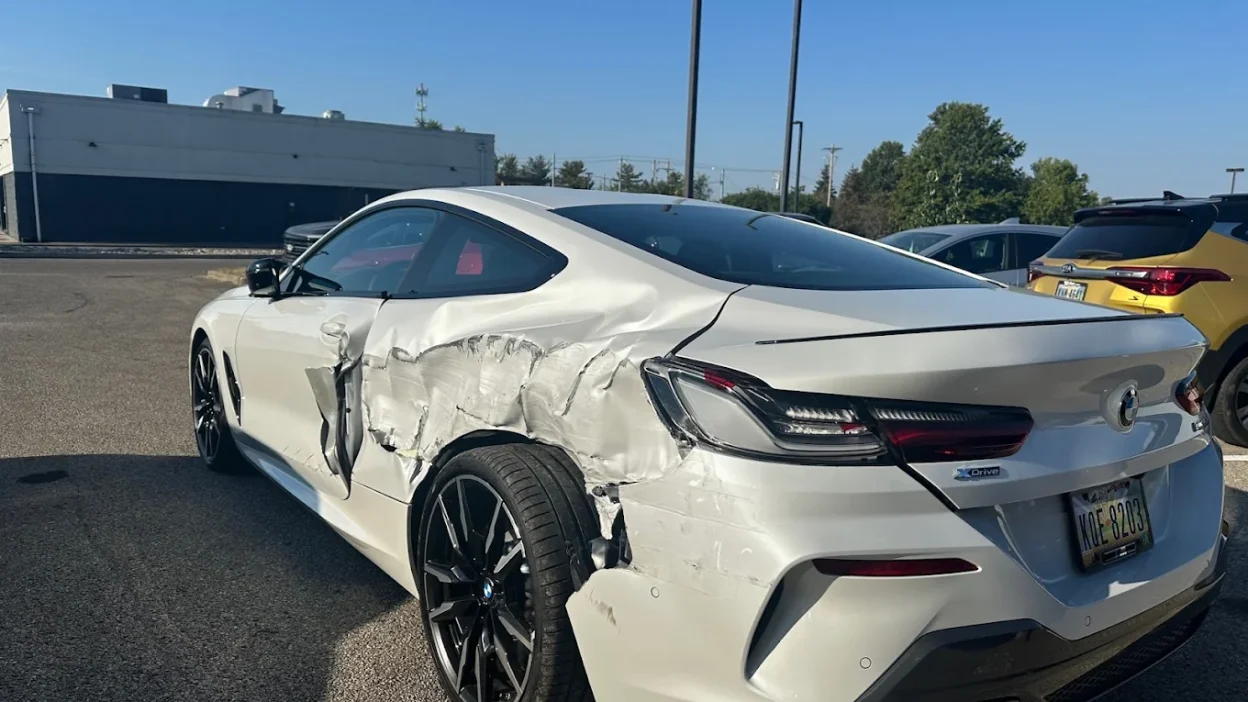
When a vehicle sustains significant damage from a collision, flood, or road accident, one of the first questions car owners ask is: what is the frame repair cost going to be? Understanding what body shops charge for structural work can help you plan financially, make informed decisions, and avoid surprises when you receive an estimate. Whether you are dealing with a minor bend or major structural compromise, getting proper auto body and frame repair is critical for your safety on the road. This guide breaks down typical pricing, the variables that influence costs, warning signs of frame damage, and why professional repair is non-negotiable.
What Is Auto Frame Damage?
A vehicle’s frame is its structural backbone. It supports the entire weight of the car, absorbs crash impact, and keeps all mechanical components aligned properly. There are two main types of vehicle frames commonly found today:
Body-on-Frame: Older trucks, SUVs, and some larger vehicles use this design where the body is mounted on a separate steel frame. This type is generally more repairable because the frame is a standalone component.
Unibody Construction: Most modern passenger cars use a unibody design, where the body and frame are integrated into a single structure. While lighter and more fuel-efficient, unibody frames can be more complex and costly to repair.
When either type sustains damage, specialized equipment and trained technicians are required to restore the vehicle to manufacturer specifications.
Average Frame Repair Cost: What to Expect
Frame repair costs vary widely depending on the extent of the damage, the type of vehicle, and the repair method required. Here is a general breakdown of what car owners can expect to pay:
Minor Frame Straightening: For small bends, twists, or slight misalignments, costs typically range from $500 to $1,500. These repairs are handled using hydraulic frame straightening equipment and generally take less time.
Moderate Frame Damage: When damage involves crumpled sections, bent rails, or damaged crossmembers, expect costs between $1,500 and $4,000. This level of repair may involve cutting and welding sections of the frame.
Severe Structural Damage: When the frame is severely compromised, repairs can cost $4,000 to $10,000 or more. In extreme cases, the repair bill may approach or exceed the vehicle’s actual cash value, which could prompt an insurance company to total the vehicle instead.
According to CARFAX, vehicles with frame damage history often carry lower resale values, which is an important financial consideration beyond the initial repair cost.
Key Factors That Influence Frame Repair Cost
No two frame repair jobs are identical. The following variables play a significant role in determining what you will ultimately pay:
1. Severity and Location of the Damage
A minor rail bend near the bumper is far less involved than damage near the firewall or rocker panels. Damage in structural core areas requires more labor and precision.
2. Vehicle Make, Model, and Year
Luxury vehicles, imported cars, and newer models with advanced high-strength steel often cost more to repair. Replacement parts for rare or discontinued models can also drive costs up significantly.
3. Repair Method Required
There are generally three approaches to frame repair:
- Straightening: Used for minor bends using specialized pulling and straightening machines
- Sectioning: Involves cutting out a damaged section and welding in a new piece, which requires more time and materials
- Full frame replacement: In rare cases, the entire frame must be replaced, which is the most expensive option
4. Labor Rates in Your Area
Labor rates at body shops vary based on geographic location and the shop’s certifications. Rates generally range from $50 to $150 per hour, and a complex frame repair can involve 20 or more labor hours.
5. Additional Damage and Associated Repairs
Frame damage rarely occurs in isolation. Suspension components, steering linkage, axles, and body panels are often damaged at the same time. These additional repairs stack up quickly.
6. Alignment Costs
After any frame repair, a wheel alignment is required to ensure the vehicle tracks straight and handles properly. This typically adds $100 to $250 to the total repair cost.
7. Insurance Coverage
If the damage resulted from a collision, your auto insurance policy may cover frame repairs (minus your deductible). Comprehensive coverage may apply in cases involving flooding or road hazards. Always file a claim and get a professional estimate before authorizing any work.
Common Causes of Frame Damage
Understanding how frame damage occurs can help car owners take preventive steps and recognize risk situations:
Front or Rear Collisions: High-speed impacts are the most common cause. Even moderate collisions can cause significant frame deformation that is not immediately visible.
Side-Impact Accidents: T-bone collisions can damage rocker panels, door sills, and the central frame structure, all of which are critical to structural integrity.
Flood or Water Damage: Prolonged water exposure can cause corrosion in the frame, weakening the steel over time. This type of damage is particularly insidious because it develops slowly and may not be visible without inspection.
Pothole and Road Hazard Impacts: Severe potholes, hitting curbs, or off-road driving can bend or crack frame components, especially in vehicles not designed for rough terrain.
Improper Towing or Overloading: Consistently towing beyond a vehicle’s rated capacity or overloading the cargo area can stress and fatigue the frame over time.
Warning Signs Your Vehicle May Have Frame Damage
Not all frame damage is obvious from the outside. Car owners should watch for these indicators:
- Uneven tire wear that persists despite regular rotations and alignments
- Vehicle pulling to one side when driving straight on a flat road
- Doors or windows that do not open, close, or latch properly
- Visible crumpling, bending, or rust along the undercarriage or frame rails
- Unusual noises such as creaking or popping when going over bumps
- Misaligned body panels such as uneven gaps between hood, trunk, or doors
- Poor handling or a feeling that the car’s front and rear axles are not tracking in line
If any of these signs appear after an accident or over time, having a professional inspection performed is strongly recommended.
Why Professional Frame Repair Is Essential for Safety
Some vehicle repairs are DIY-friendly. Frame repair is emphatically not one of them. Here is why professional service is not just recommended but required:
Precision Equipment
Proper frame repair requires computerized measuring systems and hydraulic straightening benches that apply precise, controlled force. These machines cost tens of thousands of dollars and require trained operators. Without them, frame repairs are guesswork.
Manufacturer Specifications
Every vehicle frame is engineered to exact tolerances. A frame that is off by even a few millimeters can cause improper wheel alignment, uneven weight distribution, and compromised crash performance. According to the Insurance Institute for Highway Safety (IIHS), structural integrity is one of the primary factors in crash survival outcomes.
Crumple Zone Restoration
Modern vehicles are designed with engineered crumple zones that absorb and redirect crash energy away from the occupant cabin. Improper repairs can eliminate or compromise these zones, turning a vehicle’s best safety feature into a liability.
Alignment and Calibration
After frame work, proper wheel alignment and advanced driver assistance system (ADAS) calibration may be required. Features like lane-keeping assist, automatic emergency braking, and adaptive cruise control rely on precisely calibrated sensors that can be thrown off by structural repairs if not properly recalibrated.
Legal and Resale Liability
Selling a vehicle with improperly repaired frame damage without disclosure can expose the seller to legal liability. More importantly, an improperly repaired frame puts every future occupant at risk.
How to Choose the Right Body Shop for Frame Repair
When selecting a shop for frame work, look for these qualifications:
- I-CAR Gold Class or OEM Certification: These designations indicate that technicians receive ongoing training in the latest repair methods and technologies. I-CAR is the industry standard for collision repair training.
- Modern frame straightening equipment: Ask whether the shop uses computerized measuring systems.
- Written estimates and warranties: Reputable shops provide detailed written estimates and stand behind their work with a warranty.
- Insurance experience: A shop that works regularly with insurance companies can simplify the claims process and advocate for proper repairs on your behalf.
Wrapping Up: Frame Repair Is Worth Doing Right
Frame damage is one of the most serious issues a vehicle can face, and the costs reflect the complexity of restoring a car’s structural integrity. While expenses can range from a few hundred dollars for minor straightening to several thousand for severe structural repairs, the price of cutting corners is far greater. A properly repaired frame means your vehicle handles correctly, protects you in future accidents, and retains more of its resale value.
Before committing to any shop, get at least two or three written estimates and verify that the facility has the proper certifications and equipment for structural repairs. If you are located in the area and need a trusted evaluation, visiting a frame repair specialist near you is a smart first step toward understanding the full scope of your vehicle’s condition.
Investing in a quality, professional frame repair is not just a financial decision. It is a safety decision that affects everyone in the vehicle and everyone else on the road.
Frequently Asked Questions About Frame Repair Cost
1. Is it worth fixing frame damage on a car?
It depends on the extent of the damage and the vehicle’s overall value. If the repair cost is less than 70 to 80 percent of the car’s market value, repair is generally considered worthwhile. Always get a professional estimate first and consult with your insurance adjuster to understand your options.
2. Can frame damage be fully repaired to factory standards?
In many cases, yes. Using computerized measuring systems and hydraulic straightening equipment, trained technicians can restore a frame to within manufacturer tolerances. However, if the damage is too severe or involves safety-critical structural zones, replacement or totaling may be the recommended outcome.
3. Does insurance cover frame repair costs?
Collision coverage typically covers frame repair resulting from an accident, subject to your deductible. If the damage was caused by flooding, a falling object, or another non-collision event, comprehensive coverage may apply. Review your policy or speak with your insurance agent to confirm your specific coverage.
4. How long does frame repair take?
Minor straightening jobs can be completed in one to three days. Moderate repairs involving welding and sectioning may take a week or more. Severe structural damage requiring extensive work could take several weeks, especially if specialty parts need to be ordered.
5. Will frame damage always show up on a vehicle history report?
Not always. A frame damage event only appears on a vehicle history report if it was reported through an insurance claim or flagged by a dealership inspection. Private repairs or cash transactions may not be recorded. This is why having a pre-purchase inspection performed by a qualified technician is important when buying a used vehicle.
6. Can I drive a car with frame damage?
Driving a vehicle with known frame damage is not safe and is strongly discouraged. Even minor frame misalignment can affect steering, suspension performance, and the vehicle’s ability to protect occupants in a subsequent collision. If you suspect frame damage, have the vehicle inspected before driving it further.