
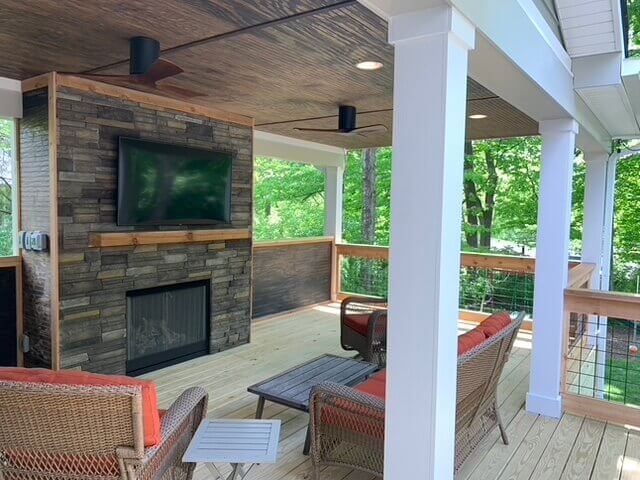
When homeowners in Cincinnati, OH outgrow their current square footage, the next logical question is where the new space should actually go. Understanding the true home addition cost in Cincinnati, OH is essential before committing to a project that can reshape your property for decades. Whether you are dreaming of a sunroom, an extra bedroom, or a second story, the decision to build out horizontally or build up vertically carries real financial and structural consequences. Working with a knowledgeable home additions contractor who understands local zoning, soil conditions, and building codes can be the difference between a sound investment and a costly mistake. This guide breaks down the cost comparison, structural considerations, and long-term value of each approach so you can make the most informed decision possible.
Building Out vs. Building Up: Understanding the Two Approaches
Before comparing costs, it helps to understand what each approach actually involves. Building out, also called a horizontal addition, means extending your home’s footprint at the ground level by adding a new room or wing to the side or rear of the existing structure. Building up, or a vertical addition, means adding a second story or expanding an upper floor to create new livable space above the current structure. Both accomplish the same goal of adding square footage, but they do so through fundamentally different construction methods, each with distinct trade-offs. The right choice depends on your lot size, structural capacity, budget, and lifestyle needs.
The Cost of Building Out: Horizontal Home Additions
Building out is often the first option homeowners consider, and for good reason. Because the work occurs at ground level, construction crews have straightforward access, and the framing process tends to move more efficiently. According to HomeAdvisor, homeowners typically pay between $80 and $200 per square foot for a ground-level addition, though costs for complex designs can push well past that range. A standard 400-square-foot room addition might cost between $32,000 and $80,000 or more depending on finishes, materials, and local labor rates. However, this estimate does not always account for one critical cost driver: the foundation.
Every horizontal addition requires its own foundation work. Depending on the soil conditions on your property, you may need a full poured concrete foundation, a slab, or a crawlspace system. Foundation work alone can add $10,000 to $30,000 or more to a project, making it one of the most significant line items in a build-out budget. You also need to account for extending utilities like HVAC, plumbing, and electrical service to the new space, as well as site preparation costs like grading or landscaping. The National Association of Home Builders notes that site costs are frequently underestimated by homeowners planning additions for the first time. One major advantage of building out is that it generally does not require reinforcing the existing structure, since the new addition stands on its own foundation, which keeps structural engineering costs lower.
The Cost of Building Up: Vertical Home Additions
Adding a second story is a compelling option for homeowners who want more space but have limited lot coverage available. On a per-square-foot basis, building up can appear more cost-effective because you are not paying for a new foundation. However, the reality is more nuanced. According to Fixr, second-story additions typically cost between $100 and $300 per square foot, and a full second story can range from $150,000 to $600,000 or higher depending on scope and complexity. These figures reflect the significant structural work required before a single new wall goes up.
Before building up, a structural engineer must evaluate whether the existing foundation and first-floor framing can support the added load. In many cases, they cannot without reinforcement. Foundation upgrades, beam replacements, and wall reinforcements can add $20,000 to $50,000 or more to the project before framing even begins. The roof must also be removed and rebuilt, which is a major expense that does not exist in a ground-level addition. Labor costs for vertical additions also tend to be higher because the work is more technically complex and often requires specialized crews. That said, vertical additions offer a compelling advantage: they preserve your entire yard and landscaping investment while delivering significant square footage gains.
Key Factors That Influence Home Addition Costs
Beyond the basic distinction between building out and building up, several variables have an outsized impact on overall home addition cost.
Foundation and Soil Conditions: Foundation work is one of the most variable cost factors in any addition project. Soil conditions requiring deep footings or specialized drainage solutions can dramatically increase costs on a horizontal addition, sometimes eliminating the cost advantage over a vertical build.
Local Permit and Zoning Requirements: In Cincinnati and surrounding communities, local building departments require permits for any structural addition. Permit fees, inspection requirements, and zoning restrictions including setback rules, height limits, and lot coverage limits all influence what you can build and what it will cost. Consulting with a local contractor early in planning helps you understand the regulatory landscape before investing in design work.
Utility Extensions and Mechanical Systems: Adding livable space means extending your home’s HVAC, plumbing, and electrical systems. Older homes may require panel upgrades or ductwork redesigns to properly serve the new space, and these costs are easy to overlook in an early budget estimate.
Finishes and Materials: The gap between a modest addition and a luxury one can be enormous. Basic finishes and builder-grade materials represent the low end of the cost range, while custom millwork, high-efficiency windows, hardwood flooring, and premium fixtures represent the high end. Defining your finish level early keeps budgeting honest and prevents scope creep.
Which Option Adds More Value and Functionality?
From a return on investment perspective, both approaches can add meaningful value to a home, though neither guarantees a full dollar-for-dollar return at resale. According to Remodeling Magazine’s Cost vs. Value Report, mid-range additions typically recoup between 50 and 70 percent of their cost at resale, varying by market, design quality, and how well the addition integrates with the existing home.
Horizontal additions often add more immediate functionality because they can serve almost any purpose, from family rooms and master suites to garages, mudrooms, or in-law suites. Vertical additions tend to add the most resale value when they increase bedroom and bathroom count, which are primary drivers of home value in most markets. Adding two bedrooms and a full bathroom above an existing single-story home can genuinely transform a property’s market position and long-term appeal.
For families who plan to stay in their home long-term, functionality and livability should weigh as heavily as resale potential. A well-designed ground-floor addition that flows naturally from the kitchen can dramatically improve daily life, while a vertical addition that adds bedrooms preserves the family’s connection to outdoor spaces that a large horizontal addition might otherwise eliminate. Working with an experienced local home improvement specialist in Cincinnati ensures that both the structural integrity and the lifestyle goals of your project are addressed from the very beginning.
Making the Right Decision for Your Home
The most practical approach begins with a thorough assessment of your property. Have a structural engineer evaluate your existing foundation and framing if vertical construction is under consideration. Review local zoning maps and setback requirements to understand what footprint expansions are permitted on your lot. Get detailed estimates from qualified local contractors that itemize foundation work, structural modifications, mechanical extensions, and finishes separately so you can compare options accurately.
If resale is on the horizon within five to seven years, projects with faster timelines and lower disruption profiles often make more financial sense. If you are building your forever home, investing in a second-story addition that permanently increases the home’s market size tier may deliver greater long-term satisfaction. Regardless of direction, working with a licensed contractor who has demonstrated experience with residential additions ensures that the structural, aesthetic, and regulatory dimensions of the project are handled with professional care.
Wrapping It All Up: Cost, Value, and the Right Choice for Your Property
Deciding between a horizontal home addition and a vertical one is rarely a simple cost calculation. Building out tends to offer a more predictable cost profile with fewer structural surprises, while building up preserves land and can add significant market value when bedroom count increases. The best answer aligns with your specific property conditions, household needs, and financial picture. Consulting with qualified professionals, reviewing realistic cost estimates, and understanding local permitting requirements transforms a complex decision into a clear, confident plan.
Frequently Asked Questions
Q1: What is the average home addition cost in Cincinnati, OH?
The average home addition cost in Cincinnati, OH varies widely depending on the type, size, and complexity of the project. Ground-floor additions typically range from $80 to $200 per square foot, while second-story additions can cost between $100 and $300 per square foot or more. Getting multiple detailed estimates from licensed local contractors is the most reliable way to establish a project-specific budget.
Q2: Is it cheaper to build out or build up for a home addition?
In most cases, building out is less expensive on a per-project basis because it avoids the structural reinforcement and roof removal costs required for vertical additions. However, building out still requires foundation work, which can be significant. The total cost comparison depends heavily on soil conditions, the structural condition of the existing home, and the desired square footage of the new space.
Q3: Do I need a permit for a home addition in Cincinnati?
Yes. Any structural addition to a residential property in Cincinnati, OH requires a building permit from the local building department. Working without permits can create serious problems when selling your home, complicate homeowner’s insurance claims, and expose you to fines or required demolition. A licensed contractor will pull all required permits and coordinate inspections as a standard part of the project.
Q4: Will a home addition increase my property taxes?
In most cases, yes. Adding livable square footage to your home increases its assessed value, which typically results in a higher property tax bill. The amount of the increase depends on local tax rates, how your county assessor values the new space, and the overall scope of the project. Your local tax assessor’s office can provide guidance on how improvements are assessed in your specific jurisdiction.
Q5: How long does a home addition take to complete?
A straightforward ground-floor room addition might take eight to twelve weeks once construction begins, while a full second-story addition can take four to six months or longer. Permit approval timelines vary by municipality and can add several weeks to the front end of the project. Weather delays, material lead times, and unforeseen structural issues during construction can also extend timelines, so discussing realistic scheduling expectations with your contractor before signing is important.
Q6: How do I find a qualified home addition contractor in Cincinnati?
Look for contractors with demonstrated experience in residential additions, proper licensing and insurance for Ohio, verifiable local references, and a transparent quoting process that breaks down costs by category. Reading reviews on platforms like Google, checking the contractor’s standing with the Better Business Bureau, and asking for a portfolio of completed local projects all help identify qualified professionals. Avoid contractors who cannot produce proof of insurance or provide vague estimates without conducting a site visit first.