
Homeowners across the country often assume that any carpentry project around the house automatically requires hiring a licensed carpenter or specialty contractor. In reality, a wide range of everyday carpentry tasks fall well within the skillset of a professional handyman. Whether you need trim work repaired, shelving installed, or a door rehung, handyman carpentry services in Nashville, TN can address those needs efficiently, affordably, and with a high level of craftsmanship. Understanding which carpentry jobs a handyman can handle helps homeowners make smarter decisions about who to call and when. This guide walks through the most common carpentry tasks handymen routinely manage, and explains why choosing a skilled handyman over a specialty contractor is often the most practical and cost-effective route.
Common Carpentry Tasks a Handyman Can Complete Around the Home
One of the most frequent misconceptions homeowners hold is that all carpentry requires a master woodworker or a licensed general contractor. The truth is that many of the most common carpentry jobs around a home are well within the scope of a trained handyman. These tasks require skill and attention to detail, but they do not necessarily demand a full-scale specialty contractor.
Trim and Molding Installation
Interior trim work, including baseboards, crown molding, chair rails, and door casings, is one of the most commonly requested carpentry jobs for handymen. Trim gives a home a polished, finished appearance and requires precise measuring, cutting, and nailing to look professional. A skilled handyman has the tools and experience to handle these installations cleanly and efficiently. Whether you are updating an older home’s trim or adding decorative molding to a new space, this is a job that does not require a specialty contractor. According to Bob Vila’s home improvement guides, proper trim installation is a foundational carpentry skill that significantly enhances a room’s aesthetic value.
Door and Window Repairs
Sticking doors, misaligned hinges, broken door frames, and damaged window casings are everyday issues that a handyman can address with ease. These repairs require knowledge of how wood behaves with changes in humidity and temperature, as well as the ability to plane, sand, and refit components accurately. A handyman can also install new interior doors, replace door hardware, and repair weatherstripping to improve energy efficiency. These are not complex structural jobs, but they do require a careful hand and practical carpentry knowledge. Addressing them promptly also prevents further damage to door frames and surrounding drywall.
Shelving and Storage Solutions
Custom shelving, built-in storage units, closet organizers, and wall-mounted shelves are all projects that fall comfortably within a handyman’s carpentry expertise. Many homeowners want functional, attractive storage without the cost of a custom cabinetry company. A handyman can work with pre-made materials or basic lumber to build sturdy, well-fitted shelving that meets the homeowner’s specific needs. This type of work requires accurate measurements, knowledge of wall anchoring, and basic joinery skills. The Family Handyman notes that built-in shelving projects are among the most impactful upgrades a homeowner can make in terms of both usability and home value.
Deck Repairs and Minor Deck Work
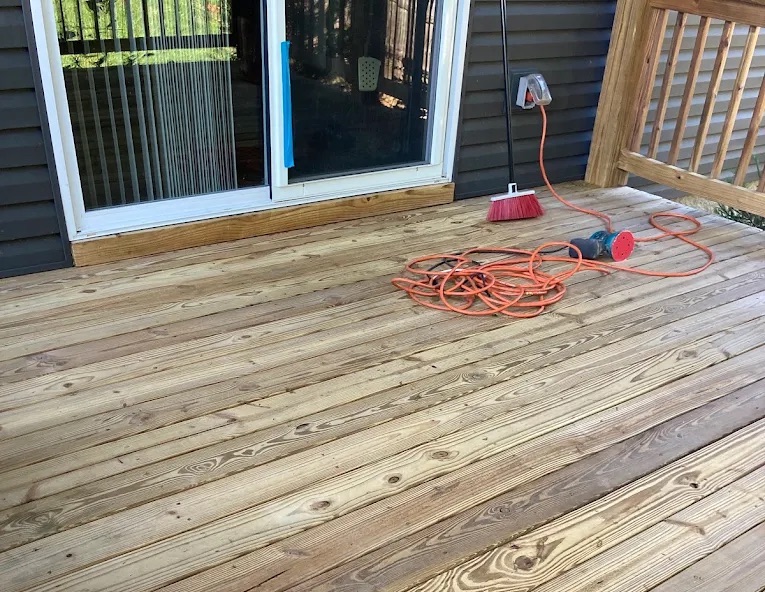
Small to mid-sized deck repairs, including replacing damaged boards, reinforcing loose railings, resealing wood surfaces, and fixing wobbly steps, are well within a handyman’s carpentry capabilities. While large-scale deck construction may require a licensed contractor depending on local building codes, maintenance and minor structural repairs are typically handled without a permit. A handyman who is comfortable working with treated lumber, fasteners, and basic structural components can extend the life of a deck significantly. Regular deck maintenance also prevents costly structural failures down the road. Homeowners who schedule seasonal deck inspections with a trusted handyman can avoid much larger repair bills later.
Cabinet Repairs and Hardware Installation
Kitchen and bathroom cabinets endure a great deal of daily wear, and issues like loose hinges, broken drawer slides, misaligned doors, and damaged cabinet boxes are common. A handyman can repair or replace cabinet hardware, reattach loose doors, and even install new cabinet pulls and handles as part of a quick refresh. These tasks require familiarity with cabinet construction and the ability to work in tight spaces with precision. Cabinet repairs do not typically require a cabinetmaker unless a full replacement is needed. Addressing small cabinet issues early prevents them from escalating into more expensive structural problems.
Fence Repairs and Gate Adjustments
Wood fencing is subject to weathering, rot, and impact damage over time. Replacing individual fence boards, resetting leaning posts, reattaching rails, and adjusting sagging gates are all carpentry tasks a qualified handyman handles regularly. These repairs help maintain both the appearance and the security function of a fence without requiring a fencing contractor for every small issue. A handyman familiar with outdoor woodworking can also apply sealant or stain to help protect repaired sections. Keeping fences well-maintained also supports property values and neighborhood aesthetics.
How Hiring a Handyman Saves Time and Reduces Costs
For homeowners weighing the decision between a specialty contractor and a handyman, the cost and time savings often tip the scales significantly. Specialty contractors, such as licensed carpenters, typically charge higher hourly rates and may have longer booking windows due to demand. A handyman, by contrast, is often available sooner and charges rates that better reflect the scope of smaller projects. According to HomeAdvisor’s cost guides, homeowners pay considerably less per hour for handyman services compared to specialty tradespeople, making handymen an economical choice for jobs that do not require licensed expertise.
Beyond the direct cost savings, hiring a handyman for carpentry work also reduces the time homeowners spend managing multiple contractors. A skilled handyman can often handle several small carpentry jobs in a single visit, eliminating the need to schedule separate specialists for each task. This consolidated approach is particularly valuable when a homeowner has a backlog of maintenance items. Instead of coordinating three or four different service calls over several weeks, one experienced handyman can work through that list efficiently. The time savings alone make the handyman model highly attractive for busy homeowners.
It is also worth noting that handymen who specialize in carpentry typically arrive with the tools and materials needed to complete jobs on the spot. This eliminates delays caused by supply orders or return visits, which are more common with larger contractors juggling multiple projects. Homeowners get faster turnaround, cleaner results, and a single point of contact for questions and follow-up. Over the course of a year, choosing handyman carpentry services for appropriate tasks can result in meaningful savings compared to hiring specialty contractors for every job.
When a Handyman Is the Right Choice for Carpentry Projects
Understanding when a handyman is the appropriate choice requires an honest assessment of a project’s scope and complexity. As a general rule, if a carpentry project does not require building permits, structural engineering, or licensed specialty work under local codes, a skilled handyman is likely the right call. Projects involving cosmetic improvements, repairs, installations, and small builds fall into this category with regularity.
Handymen are particularly well-suited for projects where the primary skills needed are measuring, cutting, fastening, and finishing rather than large-scale construction or load-bearing structural work. If a homeowner needs a new set of shelves, a repaired fence section, a replaced baseboard, or a sticking door fixed, calling a handyman will typically result in faster service at a lower price point. These are exactly the kinds of tasks that fill up a homeowner’s to-do list over time and rarely require the involvement of a general contractor.
A handyman is also the right choice when multiple small carpentry tasks need to be addressed at once. Rather than calling a carpenter for the trim, a separate contractor for cabinet hardware, and a fencing company for the backyard gate, a single handyman visit can consolidate all of those repairs into one appointment. This approach saves scheduling headaches and often comes with a more flexible pricing structure. For homeowners managing a busy household, this kind of efficiency is genuinely valuable.
That said, there are situations where a licensed contractor or specialized carpenter is the appropriate choice. Large structural additions, custom millwork requiring shop fabrication, load-bearing modifications, and work requiring permits typically fall outside a handyman’s scope. A trustworthy handyman will always be upfront about the limits of their work and will refer homeowners to the right professional when a project exceeds those boundaries. Honest communication is a hallmark of quality handyman service.
The Value of a Reliable Local Handyman for Carpentry Needs
Finding a trusted handyman who consistently delivers quality carpentry work is one of the most practical investments a homeowner can make. A reliable handyman becomes familiar with a home’s unique characteristics over time, which makes future visits more efficient and less disruptive. Homeowners who establish an ongoing relationship with a skilled handyman often find that maintenance costs go down over time because issues are caught and addressed early. This proactive approach to home care is far more cost-effective than reactive emergency repairs. Building a relationship with a local handyman is not just convenient; it is a smart long-term home management strategy.
When evaluating handyman carpentry services, homeowners should look for professionals who are transparent about their skills, carry appropriate insurance, and have a track record of satisfied customers in the local area. Online reviews, word-of-mouth referrals, and verifiable project photos are all useful indicators of quality. It is also worth asking prospective handymen about their experience with specific carpentry tasks before booking. A professional who takes pride in their craft will welcome those questions and provide clear, confident answers. You can also explore local service providers through resources like Google Maps to find reviewed, location-verified handyman professionals in your area.
Wrapping It All Up: Why Handyman Carpentry Services Deserve More Credit
Handyman carpentry services are an underutilized resource for homeowners who assume that any woodworking job requires a specialty contractor. The reality is that a skilled handyman can handle a substantial range of carpentry tasks with the same quality and care that homeowners expect from more expensive tradespeople. From trim installation and door repairs to shelving, deck maintenance, and cabinet work, the scope of what a qualified handyman can accomplish is broad and genuinely impressive. Choosing the right professional for the right job is the cornerstone of smart home management, and for the majority of everyday carpentry needs, that professional is a trusted local handyman. Homeowners who take the time to find a reliable handyman for these tasks will benefit from faster service, lower costs, and a well-maintained home for years to come.
Frequently Asked Questions
1. What types of carpentry can a handyman legally do without a contractor’s license?
In most states and municipalities, a handyman can legally perform a wide range of carpentry tasks that do not require building permits or involve structural, load-bearing modifications. This typically includes installing trim and molding, repairing doors and windows, building shelving, fixing decks, repairing fences, and handling cabinet work. The specific rules vary by location, so it is always advisable to check your local regulations or ask the handyman directly about their licensing and the permit requirements for your specific project.
2. How do I know if my carpentry project needs a licensed contractor instead of a handyman?
If a project involves structural changes to the home, load-bearing walls, new additions, or work that requires a building permit, a licensed general contractor or specialty carpenter is typically required. Projects that are cosmetic, repair-based, or involve non-structural installations are generally appropriate for a skilled handyman. When in doubt, describe the project to both a handyman and a contractor to get their professional assessment before making a decision.
3. Can a handyman build custom shelving or storage units from scratch?
Yes, many handymen with strong carpentry skills can build custom shelving and basic storage solutions from lumber or pre-made components. While highly intricate custom cabinetry or millwork may require a cabinetmaker, the majority of functional shelving and storage projects are within a handyman’s skillset. Be sure to discuss the specific design, materials, and dimensions with your handyman beforehand to confirm they have the tools and experience for your project.
4. How much does it typically cost to hire a handyman for carpentry work?
Handyman rates for carpentry work vary depending on the region, the complexity of the project, and the materials involved. Most handymen charge either an hourly rate or a flat project fee. Hourly rates for handyman services typically range from $50 to $100 per hour, though this can vary significantly. Getting a clear written estimate before work begins is always recommended. For larger projects, ask whether the estimate includes materials or only labor.
5. How do I find a trustworthy handyman for carpentry projects in my area?
Start by asking friends, neighbors, or family members for referrals, as word-of-mouth recommendations are often the most reliable. Online review platforms and Google Maps listings allow you to read verified customer feedback and check a handyman’s service area and contact information. Look for professionals who are insured, responsive, and willing to provide references or photos of past work. A transparent, communicative handyman who asks good questions about your project is usually a strong indicator of quality and professionalism.